English
 Arabic
 French
 Spanish
 Portuguese
 Deutsch
 Turkish
 Dutch
Dutch
 Italiano
 Russian
 Romaian
 Portuguese (Brazil)
 Greek
Greek
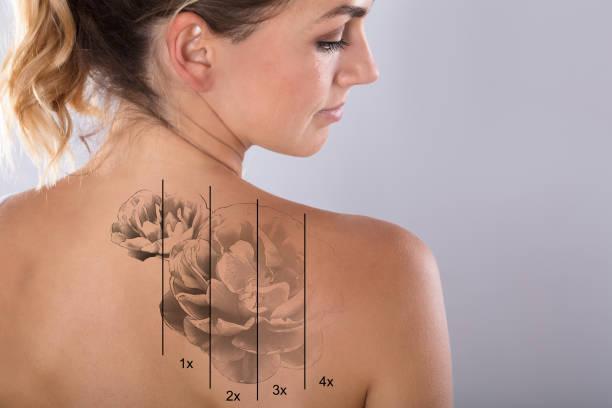
For many, the only thing more daunting than the prospect of keeping an unwanted tattoo is the fear of the pain required to remove it. Historically, Laser Tattoo Removal earned a reputation for being a slow and stinging process. However, as we move through 2026, the intersection of advanced pharmacology and "cold-laser" engineering has fundamentally changed the patient experience.
While "painless" is a bold claim in any medical procedure, modern techniques have reduced the sensation to a level that most patients find significantly more comfortable than the original tattooing process. This guide explores the tools and truths behind a comfortable removal journey.
Understanding Treatment Pain Levels
The sensation of laser removal is often described as a repetitive "snapping" of a rubber band against the skin. This occurs because the laser pulses are so fast that they create a mechanical vibration within the ink.
-
Location Matters: Areas with thin skin and close proximity to bone (such as the ribs, spine, ankles, and fingers) naturally have more nerve endings and may feel more sensitive.
-
Ink Density: The more saturated the tattoo, the more energy it absorbs, which can lead to a more intense sensation in the initial sessions.
Numbing Options and Tech
In 2026, "white-knuckling" through a session is a thing of the past. Premium clinics utilize a multi-layered approach to comfort:
-
High-Potency Topical Anesthetics: Medical-grade lidocaine and benzocaine blends are applied 30–45 minutes prior to the session. These creams penetrate the epidermis to dull the surface nerves.
-
Cryo-Chilling Devices: Systems like the Zimmer Cryo provide a continuous stream of sub-zero air (-30°C) to the skin before, during, and after the laser pulse. This "thermal distraction" is incredibly effective at numbing the area and preventing heat buildup.
-
Lidocaine Injections: For patients with a very low pain threshold or for tattoos in highly sensitive areas, some clinics offer local anesthetic injections that completely block all sensation, rendering the procedure entirely painless.
Factors Influencing Discomfort
Beyond the laser itself, several external factors can dictate your comfort level:
-
Hydration: Dehydrated skin is more sensitive. Drinking plenty of water in the 24 hours leading up to your session makes a measurable difference.
-
The "Stress" Factor: Anxiety can lower your pain tolerance. Clinics that prioritize a calm, professional environment help keep your nervous system relaxed.
-
Cycle Sensitivity: For some, skin sensitivity can fluctuate based on hormonal cycles; scheduling sessions during "low-sensitivity" windows can improve the experience.
Session Duration Insights
One of the greatest "pain-management" features of modern Laser Tattoo Removal is its speed.
-
Small Tattoos: A small wrist or finger tattoo can be treated in as little as 30 to 60 seconds.
-
Medium Tattoos: A piece the size of a business card typically takes only 3 to 5 minutes. Because the sessions are so brief, the period of discomfort is over before the body’s stress response can fully kick in.
Post-Pain Management Strategies
The "discomfort" doesn't end when the laser stops, but it changes into a sensation similar to a mild sunburn.
-
Instant Cooling: Continue using cold compresses for 10 minutes every hour during the first afternoon.
-
Elevation: Reducing blood flow to the area through elevation can stop the "throbbing" sensation often felt in the limbs.
-
Healing Balms: Using specialized, fragrance-free recovery gels helps keep the skin supple and prevents the tightness that causes itching.
Patient Stories on Comfort
At Tajmeels Clinic, we frequently hear from patients who were pleasantly surprised by the ease of the procedure. One common testimonial involves patients who "spent years dreading the pain," only to find that with our cooling technology, the session was "over before they even had time to get nervous."
Conclusion
The "painless" revolution in laser technology means that your comfort is no longer a secondary concern—it is a primary part of the protocol. By combining Picosecond speed with advanced cooling and numbing techniques, we have made it possible to erase the past without the ordeal.