English
 Arabic
 French
 Spanish
 Portuguese
 Deutsch
 Turkish
 Dutch
Dutch
 Italiano
 Russian
 Romaian
 Portuguese (Brazil)
 Greek
Greek
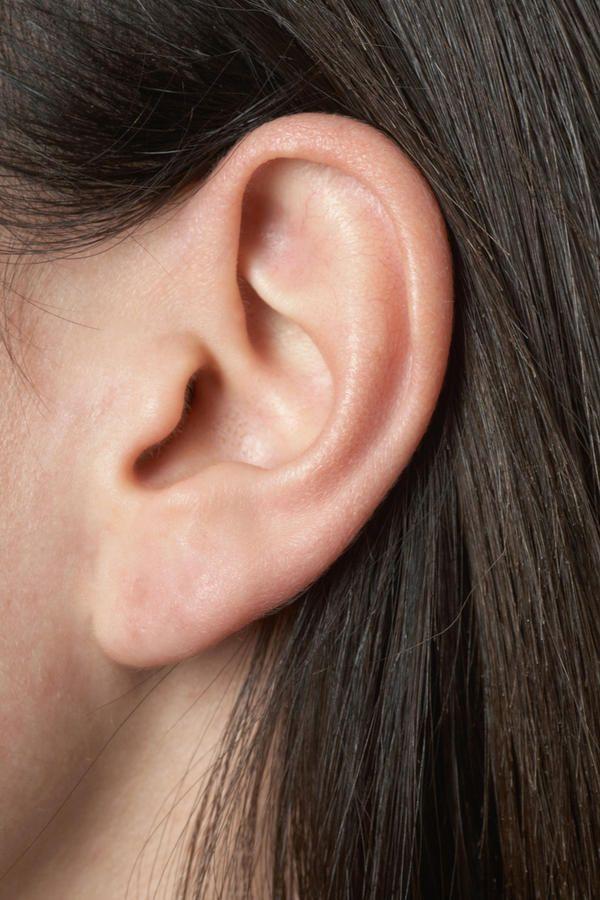
The human face is a study in proportions, and the ears play a pivotal role in framing our features. When ears are overly prominent or asymmetrical, they can disrupt this delicate balance, often becoming a focal point of unwanted attention. Ear reshaping in Dubai offers a clinically advanced solution to these concerns, providing a way to reposition and sculpt the ears so they sit in harmony with the rest of the face. This procedure, also known as otoplasty, focuses on the structural integrity of the ear, ensuring that the results are not only aesthetically pleasing but also medically sound and permanent.
The Mechanism of Action in Ear reshaping in Dubai
Understanding the clinical approach to otoplasty requires a look at the ear's internal structure. The outer ear is shaped by a flexible plate of auricular cartilage. In many cases of prominence, this cartilage either lacks the necessary folds to pull the ear back or has an oversized central "bowl" that pushes the ear outward. During ear reshaping in Dubai, the surgeon performs a precise intervention to modify this cartilage framework.
The procedure involves making a small, strategic incision behind the ear to expose the cartilage. In our clinical experience, the most natural results come from a combination of cartilage scoring—which allows the tissue to bend more easily—and the placement of permanent internal sutures. These sutures act as a hidden support system, holding the ear in its new, closer-to-the-head position. Over time, the body’s healing response reinforces this new shape, making the correction a permanent part of the patient's anatomy.
The Purpose and Intent of Ear Correction
The primary objective of ear surgery is to reduce the "projection" of the ears without making them look artificially "pinned." A successful procedure brings the ears into a standard aesthetic range where they no longer distract from the eyes or jawline. The purpose is to create a profile that looks as though it has always been that way.
What patients typically report during recovery is a sense of newfound confidence that affects their entire social life. For many adults, the purpose of seeking ear reshaping in Dubai is to finally feel comfortable with hairstyles that expose the ears. For children, the intent is often more protective, aiming to resolve structural issues before they impact the child’s self-esteem. By addressing the physical protrusion, we are essentially restoring the natural balance of the face.
Key Benefits of a Clinical Approach
Choosing a professional surgical correction offers significant advantages over temporary or non-clinical methods. Because the surgery targets the actual cartilage, the results are definitive.
-
Surgical Symmetry: Carefully adjusts both ears to ensure they match in height and angle.
-
Discreet Incisions: Scars are hidden in the natural crease where the ear meets the head.
-
Customized Sculpting: The procedure is tailored to the specific curvature of each patient's ear.
-
Permanent Correction: Unlike non-surgical fillers, the results of otoplasty do not fade.
-
Low Risk, High Reward: One of the safest and most predictable aesthetic procedures in modern medicine.
Ideal Candidates for Modern Ear Reshaping
This procedure is suitable for a wide range of individuals, provided they meet certain health criteria. Because the ear is almost fully grown by age five or six, children are often the primary candidates for this surgery. Correcting the ears at a young age allows the cartilage to be shaped while it is still highly pliable.
Adults are also excellent candidates, though their cartilage may be slightly firmer. We look for individuals who are in good overall health and do not have conditions that could impede skin healing. During a clinical consultation, we evaluate the distance between the ear rim and the scalp to determine the most effective surgical plan. It is important for candidates to have a clear understanding of the recovery timeline to ensure the best possible long-term outcome.
The Procedural Roadmap: Step-by-Step
The surgery is an efficient, outpatient process that typically takes between 90 minutes and two hours.
-
Clinical Assessment: Final measurements are taken to ensure symmetrical results.
-
Anesthesia: Local anesthesia with intravenous sedation is typically used for adults to ensure a pain-free experience.
-
Access: A small vertical incision is placed in the posterior (back) crease of the ear.
-
Reshaping: The surgeon carefully folds the cartilage to create the antihelical fold or reduces the conchal bowl.
-
Fixation: Specialized sutures are used to "pin" the ear into its new position.
-
Closing and Protection: The incision is closed, and a soft head dressing is applied to keep the ears stable.
Primary Zones of Intervention
Not every ear requires the same type of work. We divide the ear into specific zones to provide a targeted and conservative treatment plan.
| Treatment Zone | Clinical Focus |
| Upper Third | Correcting "lop ear" or folding of the top rim. |
| Middle Third | Reducing the depth of the concha (the ear "bowl"). |
| Lower Third | Reshaping the earlobe or correcting "pendant" lobes. |
| Inner Fold | Recreating the Y-shaped antihelical fold for a natural curve. |
Understanding Price and Clinical Value
The cost of ear correction is influenced by the level of surgical detail required. A case involving complex reconstruction of the ear’s folds may require more time and specialized sutures than a simple earlobe reduction. The value of the procedure lies in its permanence—once the surgery is complete, the results last a lifetime. Additionally, the use of high-grade clinical facilities and expert surgical teams ensures that safety and aesthetic quality are never compromised.
Recovery Milestones and Healing Process
Healing from ear surgery is a steady process. Following the surgeon’s post-operative instructions is vital for maintaining the new shape of the cartilage.
-
Days 1–4: The ears are kept in a protective wrap. It is important to keep the head elevated to reduce swelling.
-
Week 1: The heavy wrap is removed. Most patients can return to work or school, although the ears will remain slightly tender and pink.
-
Weeks 2–6: A soft headband is worn at night. This prevents the ears from being pulled forward if the patient rolls over in their sleep.
-
Month 3: The swelling is completely gone, and the scars have begun to fade. The ears look and feel completely natural.
Safety Considerations and Medical Responsibility
Safety is the cornerstone of every clinical intervention. While otoplasty is a standard and safe procedure, we take every precaution to ensure a smooth recovery. Minor side effects like temporary numbness or slight bruising are common and typically resolve within a few weeks. Our clinical staff provides each patient with a detailed recovery guide, including how to keep the incision site clean and when to resume physical activities. We monitor every patient through follow-up appointments to ensure the cartilage is healing exactly as planned.
How to Preserve Your Results
Once you have achieved your desired look through ear reshaping in Dubai, the results are intended to be permanent. During the first few months, the internal sutures are doing the heavy lifting while the cartilage "sets." During this time, it is crucial to avoid any trauma to the ears. We advise patients to avoid contact sports or any activity where the ears could be tugged. Once the tissue has fully matured, the ears are just as durable as they were before the procedure, allowing you to enjoy your new profile without worry.
Conclusion
Aesthetic harmony is achieved when no single feature overpowers the others. By choosing to refine the shape and projection of your ears, you are investing in a more balanced and confident version of yourself. Modern surgical techniques provide a safe, effective, and nearly invisible way to correct prominence and restore facial symmetry.
Learn if this treatment is right for your lifestyle by visiting the specialists at Tajmeels Clinic.