 English
 Arabic
 French
 Spanish
 Portuguese
 Deutsch
 Turkish
 Dutch
Dutch
 Italiano
 Russian
 Romaian
 Portuguese (Brazil)
 Greek
Greek
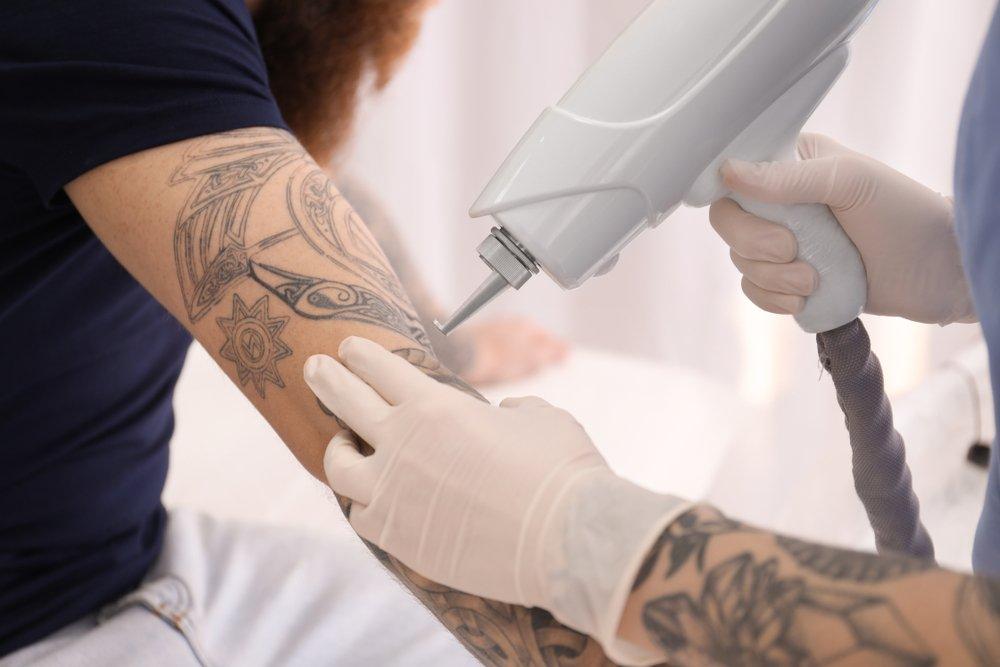
Tattoos are often a form of personal expression, but over time, preferences and lifestyles can change. Many people now explore tattoo removal in Riyadh to fade or completely eliminate unwanted tattoos. Whether the tattoo no longer reflects your personality, has faded unevenly, or interferes with professional goals, modern technology provides several effective removal options.
Tattoo removal is more complex than getting a tattoo because the ink sits deep within the skin. Various techniques work by breaking down or removing the ink particles so the body can gradually clear them away. Today, individuals in Riyadh have access to multiple medically approved methods that can significantly reduce or remove tattoos while prioritizing skin safety.
This guide explains the most common tattoo removal options, how they work, and what you can expect during the process.
Why People Choose Tattoo Removal
There are many reasons someone might consider removing a tattoo. Personal preferences change, and tattoos that once felt meaningful may no longer suit a person’s lifestyle.
Common reasons include:
-
Lifestyle or career changes
-
Faded or poorly done tattoos
-
Relationship-related tattoos
-
Desire for a cleaner or more professional appearance
-
Allergic reactions to tattoo ink
Modern removal techniques allow individuals to gradually lighten or remove tattoos with improved safety and precision compared to older methods.
Common Tattoo Removal Options
Several methods are available today. Each option works differently, and the best choice often depends on factors like tattoo size, color, depth, and skin type.
1. Laser Tattoo Removal
Laser treatment is currently the most widely used and effective method for removing tattoos. It works by delivering concentrated pulses of light energy into the skin, which break down tattoo ink particles into smaller fragments. The body’s immune system then gradually clears these particles away.
Key features of laser tattoo removal:
-
Targets ink pigments without damaging surrounding skin
-
Works on many tattoo colors
-
Requires multiple sessions for best results
-
Gradual fading occurs between treatments
Different lasers may be used depending on the tattoo color and skin tone. Dark inks, such as black, usually respond faster, while colors like green or yellow can be more difficult to remove.
2. Surgical Excision
Surgical excision involves physically cutting out the tattooed skin and stitching the remaining skin together. This technique is usually recommended for small tattoos where complete removal is possible.
Advantages:
-
Immediate removal of the tattoo
-
Effective for smaller designs
Limitations:
-
Leaves a surgical scar
-
Not suitable for large tattoos
Because of the scarring risk, this method is generally used only in specific situations.
3. Dermabrasion
Dermabrasion is a technique that removes tattoo ink by sanding down the upper layers of the skin using a rotating device. This process allows ink particles to gradually escape as the skin heals.
Key points:
-
Removes layers of skin to reach tattoo pigment
-
May require multiple sessions
-
Healing may take several weeks
However, dermabrasion is less commonly used today because laser technology usually produces more predictable results.
4. Chemical Peels for Tattoo Removal
Chemical solutions, such as certain acids, can be applied to the tattooed skin to remove its upper layers. As the skin peels and regenerates, the tattoo may fade.
Characteristics of chemical removal:
-
Gradual fading of the tattoo
-
Multiple treatments required
-
Potential skin irritation
This method is typically used only in specific cases and under professional supervision.
Benefits of Professional Tattoo Removal
Modern tattoo removal techniques offer several advantages compared to older or DIY methods.
Improved Skin Safety
Professional treatments use medical technology designed to minimize damage to surrounding skin.
Gradual and Controlled Results
Treatments allow gradual fading, making it possible to remove or lighten tattoos safely over time.
Custom Treatment Plans
Specialists can tailor treatment based on:
-
Tattoo size
-
Ink colors
-
Skin tone
-
Tattoo age
Possibility of Complete Removal
While complete removal may not always be possible, many tattoos can fade significantly or disappear entirely with proper treatment.
The Tattoo Removal Process
Although procedures vary depending on the technique used, most tattoo removal treatments follow a similar process.
Step 1: Consultation
A professional examines the tattoo and discusses:
-
Tattoo size and colors
-
Skin type
-
Expected number of sessions
-
Suitable removal method
Step 2: Skin Preparation
The treatment area is cleaned and sometimes numbed with topical anesthesia to minimize discomfort.
Step 3: Treatment Session
Depending on the chosen method:
-
Laser pulses break down ink particles
-
Dermabrasion removes skin layers
-
Surgical excision removes the tattooed skin
Step 4: Healing Period
The skin heals gradually, and the tattoo begins to fade. Laser treatments typically require several sessions spaced weeks apart to allow the body to clear the ink particles.
Who Is a Good Candidate for Tattoo Removal?
Most healthy adults can undergo tattoo removal, but some factors influence how effective the treatment will be.
You may be a good candidate if you:
-
Have an unwanted tattoo
-
Are in good general health
-
Have realistic expectations about results
-
Do not have active skin infections in the treatment area
Certain skin conditions or allergies to tattoo pigment may require additional evaluation before treatment.
Recovery and Aftercare
Proper aftercare is essential to promote healing and achieve the best possible results.
Typical Aftercare Tips
-
Keep the treated area clean and dry
-
Apply recommended healing ointments
-
Avoid direct sun exposure
-
Do not pick scabs or blisters
-
Wear loose clothing over the area
After laser treatment, mild redness, swelling, or blistering may occur temporarily. These effects usually improve within a few days to a week.
Results and Expectations
Tattoo removal results vary depending on several factors.
Factors That Affect Results
-
Tattoo age
-
Ink color
-
Tattoo depth
-
Skin tone
-
Immune system response
Older tattoos often fade faster than newer ones, and black ink typically responds best to laser treatment. Some tattoos may disappear completely, while others may leave faint shadows or slight pigmentation changes.
Patience is important because tattoo removal is a gradual process that may take several sessions to achieve optimal results.
Safety and Risks
Professional tattoo removal procedures are generally safe when performed correctly, but like any cosmetic treatment, there are potential risks.
Possible side effects include:
-
Temporary redness and swelling
-
Blistering or scabbing
-
Skin discoloration
-
Mild scarring in rare cases
Choosing an experienced provider and following aftercare instructions significantly reduces these risks.
Avoid attempting home tattoo removal methods, as they can cause skin damage, infection, or permanent scarring without effectively removing the tattoo.
FAQs About Tattoo Removal in Riyadh
1. How many sessions are needed for tattoo removal in Riyadh?
Most tattoos require multiple sessions. Laser removal typically needs several treatments spaced weeks apart to allow the skin to heal and the body to remove broken ink particles.
2. Is tattoo removal painful?
Some discomfort may occur during treatment. Many people describe the sensation as similar to a rubber band snapping against the skin. Numbing methods are often used to improve comfort.
3. Can all tattoo colors be removed?
Darker colors like black usually respond best to treatment. Bright colors such as green or yellow may require more sessions and may not disappear completely.
4. How long does it take to see results?
Fading usually becomes noticeable after the first few sessions. Complete results may take several months depending on the tattoo and treatment method.
5. Are there risks involved with tattoo removal?
Temporary redness, swelling, and blistering are common side effects. In rare cases, scarring or pigmentation changes may occur.
6. Can large tattoos be removed?
Yes, large tattoos can be treated, although they usually require more sessions and a longer treatment period.
7. Is tattoo removal permanent?
In many cases, tattoos can be removed almost completely. However, some people may experience faint residual pigmentation or minimal scarring.
Final Thoughts
Advancements in dermatology and cosmetic technology have made tattoo removal in Riyadh safer and more effective than ever. With options such as laser therapy, surgical excision, and dermabrasion, individuals now have multiple ways to remove or significantly fade unwanted tattoos.
Choosing the right method depends on factors like tattoo size, ink color, and skin type. A professional assessment ensures the most suitable treatment plan and helps minimize potential risks.
If you are considering tattoo removal and want a professional approach with modern techniques, you can explore trusted aesthetic services such as Aesthetic Clinic Riyadh for guidance on achieving clearer, tattoo-free skin.
