English
 Arabic
 French
 Spanish
 Portuguese
 Deutsch
 Turkish
 Dutch
Dutch
 Italiano
 Russian
 Romaian
 Portuguese (Brazil)
 Greek
Greek
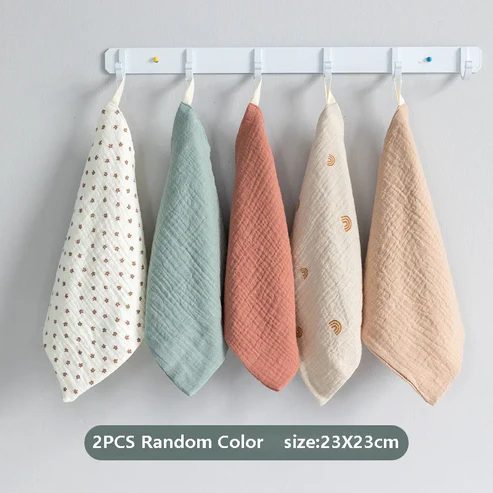
A baby feeding towel is one of those small but essential items that can make a big difference in your daily parenting routine. Whether you’re breastfeeding, bottle-feeding, or starting solids, keeping your baby clean and comfortable during feeding time is a top priority. In this comprehensive guide, we’ll explore everything you need to know about choosing, using, and maintaining the perfect baby feeding towel.
What Is a Baby Feeding Towel?
A baby feeding towel is a soft, absorbent cloth designed to protect your baby’s clothes and skin from spills, dribbles, and milk leaks during feeding. Unlike regular towels, these are specially crafted to be gentle on delicate baby skin while offering high absorbency.
They come in various shapes and sizes, from small shoulder cloths to larger bib-style designs, all tailored to make feeding time cleaner and more convenient.
Why Every Parent Needs a Baby Feeding Towel
Feeding a baby can often get messy. Milk spills, spit-ups, and drool are all part of the process. A baby feeding towel helps manage these situations effectively.
Key Benefits
-
Protects baby’s clothing from stains and moisture
-
Keeps baby dry and comfortable during feeding
-
Reduces laundry load by preventing frequent outfit changes
-
Provides hygiene by absorbing spills quickly
-
Multi-purpose use for burping, wiping, and cleaning
Using a baby feeding towel regularly can save time, effort, and stress—especially during those early months.
Types of Baby Feeding Towels
Choosing the right baby feeding towel depends on your needs and feeding habits. Here are the most common types:
1. Burp Cloth Style
These are small, rectangular towels designed to be placed over your shoulder while burping your baby. They absorb spit-up effectively.
2. Bib-Style Feeding Towels
Worn around the baby’s neck, these cover the chest area and protect clothing from spills during feeding.
3. Shoulder Towels
Larger and more padded, these provide extra coverage and comfort during feeding and burping.
4. Multi-Layer Towels
Made with multiple layers for enhanced absorbency, these are ideal for newborns who spit up frequently.
Best Materials for Baby Feeding Towels
The material of a baby feeding towel plays a crucial role in comfort and performance.
Cotton
Soft, breathable, and highly absorbent, cotton is the most popular choice. It’s gentle on sensitive skin and easy to wash.
Bamboo
Eco-friendly and naturally antibacterial, bamboo fabric is ultra-soft and ideal for babies with sensitive skin.
Muslin
Lightweight and breathable, muslin towels dry quickly and are perfect for warm climates.
Terry Cloth
Thicker and more absorbent, terry cloth is great for handling larger spills but may feel heavier.
Features to Look for in a Baby Feeding Towel
When selecting a baby feeding towel, consider the following features:
-
Softness: Must be gentle on delicate skin
-
Absorbency: Should quickly soak up milk and drool
-
Durability: Able to withstand frequent washing
-
Size: Large enough for coverage but easy to handle
-
Quick-drying: Prevents odor and bacterial growth
-
Hypoallergenic fabric: Ideal for sensitive babies
A high-quality baby feeding towel combines all these features to provide maximum comfort and functionality.
How to Use a Baby Feeding Towel Effectively
Using a baby feeding towel correctly can make feeding time smoother and cleaner.
During Feeding
Place the towel under your baby’s chin or across your shoulder to catch any spills or drips.
While Burping
Drape the towel over your shoulder to protect your clothes from spit-up.
After Feeding
Use it to gently wipe your baby’s mouth and face.
On-the-Go
Keep a baby feeding towel in your diaper bag for quick cleanups anywhere.
How Many Baby Feeding Towels Do You Need?
Parents often underestimate how many towels they’ll need. Since babies can be messy, it’s best to have multiple options ready.
Recommended quantity:
-
6 to 10 baby feeding towels for daily use
-
Extra for backups during laundry cycles
Having enough ensures you always have a clean towel available when needed.
Cleaning and Maintenance Tips
Proper care extends the life of your baby feeding towel and keeps it safe for your baby.
-
Wash before first use to remove any residues
-
Use mild, baby-safe detergent
-
Avoid harsh chemicals and fabric softeners
-
Wash in warm water to remove stains effectively
-
Dry thoroughly to prevent mold and odors
Regular cleaning ensures hygiene and maintains the towel’s softness.
Common Mistakes to Avoid
Even simple items like a baby feeding towel can be misused. Avoid these common mistakes:
-
Using rough or low-quality fabric
-
Not washing towels frequently enough
-
Using overly large towels that are hard to manage
-
Ignoring signs of wear and tear
-
Using the same towel for too long without replacement
Being mindful of these helps keep your baby safe and comfortable.
When to Replace a Baby Feeding Towel
Over time, even the best baby feeding towel will wear out. Replace it if you notice:
-
Reduced absorbency
-
Rough texture
-
Persistent stains or odors
-
Fraying edges
Keeping towels in good condition is essential for maintaining hygiene.
Final Thoughts
A baby feeding towel may seem like a simple accessory, but it plays a vital role in keeping feeding time clean, comfortable, and stress-free. By choosing the right material, maintaining proper hygiene, and having enough towels on hand, you can make a noticeable difference in your daily routine.