English
 Arabic
 French
 Spanish
 Portuguese
 Deutsch
 Turkish
 Dutch
Dutch
 Italiano
 Russian
 Romaian
 Portuguese (Brazil)
 Greek
Greek
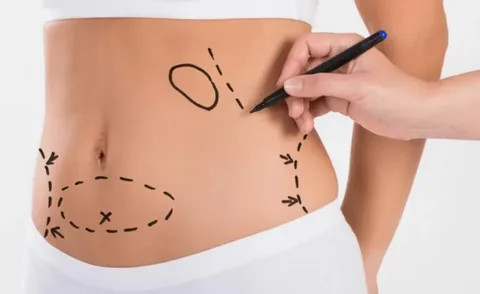
Achieving a flat, firm abdominal profile is a common goal that often remains elusive due to the structural limitations of the human body. When the skin’s elastic fibers are overextended and the internal muscle fascia loses its tension—typically following pregnancy, significant weight fluctuations, or the natural aging process—the result is a permanent change that topical treatments cannot reach. A Tummy Tuck in Dubai provides a medically advanced solution to these challenges, employing surgical techniques to remove redundant tissue and reinforce the core’s internal framework for a restored, athletic silhouette.
Understanding the Clinical Role of a Tummy Tuck in Dubai
In surgical medicine, an abdominoplasty is a major procedure designed to reconstruct the abdominal profile. It specifically addresses three anatomical layers: the cutaneous envelope (skin), the subcutaneous adipose tissue (fat), and the abdominal fascia (muscle). A Tummy Tuck in Dubai is particularly effective for patients presenting with "skin laxity" and "muscular dehiscence"—the clinical term for the separation of the vertical abdominal muscles.
The procedure is highly specialized and adapted based on the patient’s unique anatomy. A "mini" tummy tuck may be suitable for localized concerns below the navel, while a "full" or "extended" version is required for comprehensive restoration of the entire abdominal span. In our clinical experience, the most impactful results occur when the surgical plan is meticulously aligned with the patient's existing skin quality and underlying muscular integrity.
The Internal Mechanics of Abdominal Repair
The mechanical success of this surgery relies on a technique known as internal muscle plication. Once the patient is under general anesthesia, a horizontal incision is placed strategically low on the abdomen, typically where it can be concealed by swimwear. The surgeon then elevates the skin and fat layers to reveal the rectus abdominis muscles—the vertical muscles that provide the core's structural foundation.
[Internal View: Surgical plication of the abdominal wall]
Using high-tensile, permanent sutures, the surgeon pulls these muscles back into a tight, midline orientation. This effectively acts as an internal corset, flattening the stomach profile from within. Following the muscle repair, the skin is redraped, the excess "apron" is surgically excised, and the navel is repositioned to ensure a natural and youthful appearance.
The Reconstructive Purpose of a Tummy Tuck in Dubai
While the aesthetic change is the most visible outcome, the purpose of an abdominoplasty is deeply rooted in physical health and functional restoration. For many patients, the procedure is a tool to resolve chronic issues associated with a weakened core. When the abdominal muscles are separated, the spine loses its primary support, frequently leading to persistent lower back pain and poor postural alignment.
Furthermore, removing a large volume of hanging skin serves a critical dermatological purpose. Excess skin folds can cause physical discomfort, chafing, and recurrent skin infections (intertrigo) that are difficult to manage with topical treatments. By removing this tissue, the procedure restores a healthy skin environment and significantly improves the patient’s ability to engage in physical activity and exercise comfortably.
Primary Benefits of a Tummy Tuck in Dubai
The advantages of an abdominoplasty are divided between structural restoration and long-term lifestyle enhancements.
| Benefit Area | Clinical Outcome |
| Muscle Integrity | Permanent closure of diastasis recti for a flatter, stronger core. |
| Dermal Refinement | Immediate removal of sagging skin and lower-abdominal stretch marks. |
| Postural Health | Better spinal alignment through reinforced abdominal tension. |
| Physical Mobility | Elimination of "hanging" skin that can impede movement and exercise. |
Ideal Candidates for Abdominal Restoration
Determining candidacy is a vital part of surgical safety. This procedure is intended for individuals who have reached a stable weight and are in good overall health. Because it is a major operation, the body must have the metabolic resources to heal effectively and ensure the longevity of the results.
Excellent candidates typically include:
-
Individuals with localized skin laxity that does not respond to weight loss.
-
Women who have completed their families and wish to repair the abdominal wall.
-
Post-bariatric patients with hanging abdominal tissue following weight loss.
-
Healthy non-smokers, as nicotine severely restricts blood flow to the healing skin flaps.
-
Individuals with realistic expectations regarding the recovery timeline and the resulting scar.
Step-by-Step Breakdown of the Surgical Procedure
The transformation follows a standardized clinical protocol to ensure precision and patient safety.
-
Surgical Marking: The surgeon marks the patient while standing to ensure the final scar is balanced.
-
Anesthesia: Administration of general anesthesia by a board-certified specialist.
-
The Incision: A strategic horizontal cut is made between the hip bones.
-
Internal Repair: Plication of the muscle wall to create a firm, flat base.
-
Excision: Removing the precisely measured "apron" of excess tissue.
-
Closure: Using multi-layered suturing techniques to ensure a fine, flat scar line.
Target Zones for a Tummy Tuck in Dubai
While the central abdomen is the primary focus, the surgery naturally impacts the surrounding "target zones." Surgeons look at the waistline, the flanks (love handles), and the upper pubic area. By addressing these regions as a cohesive unit, the surgeon can create a "snatched" waistline that looks natural and proportionate to the patient’s hips.
In many cases, the upper abdomen—the area between the ribs and the navel—is also addressed. Even though the incision is low, the skin is pulled from the top down, ensuring that the entire abdominal surface from the ribcage to the pubic bone is tightened and smoothed out. This holistic approach ensures the results look natural and proportional from every angle.
Cost Factors and Pricing Considerations
The investment for a premium abdominoplasty is determined by several clinical factors. A "Full Tummy Tuck" naturally requires more time in the operating room and more extensive nursing care than a "Mini" version. The complexity of the muscle repair and the inclusion of liposuction for contouring also play a role in the final fee.
Patients should also account for the quality of the surgical facility and the expertise of the anesthesia team. We always advise patients to look beyond the initial price and consider the value of comprehensive post-operative care, including compression garments and follow-up monitoring, as these are critical to preventing complications and ensuring a high-quality result.
The Recovery Timeline and Healing Process
Healing from this procedure is a gradual progression. What patients typically report during recovery is a feeling of significant "tightness" in the first two weeks, which is a sign that the internal muscle repair is holding securely.
-
Week 1: Focus on rest and pain management. Patients usually walk in a slightly flexed position.
-
Week 2: Most patients can stand more upright. Surgical drains are usually removed.
-
Weeks 3–6: A gradual return to light daily activities. A compression garment must be worn 24/7.
-
Month 2: Light exercise can typically be resumed, provided it does not strain the core.
-
Month 6–12: Final swelling resolves, and the incision line begins to fade significantly.
Safety Protocols and Potential Side Effects
Safety is the cornerstone of every successful procedure. Common side effects after a Tummy Tuck in Dubai include temporary swelling, localized bruising, and a change in skin sensation around the incision. These are expected biological responses and typically resolve as the nerves and tissues heal over several months.
To minimize the risk of complications like seroma (fluid buildup) or wound healing issues, patients must strictly follow the "no lifting" rule for at least six weeks. This includes avoiding heavy groceries or strenuous physical activity. Adhering to the clinic's hygiene protocols and attending all follow-up appointments is essential for a smooth and safe recovery process.
Maintaining Your Results for the Long Term
The results of a tummy tuck are long-lasting, provided the patient maintains a stable weight. While the surgically removed skin and fat cannot return, the remaining fat cells can still expand if there is significant weight gain. Furthermore, a consistent exercise routine—once cleared by your surgeon—will help maintain the definition of the repaired muscles.
A diet rich in protein supports tissue repair in the early stages, while long-term hydration helps preserve skin elasticity. By viewing the surgery as a "foundation" for a healthy lifestyle, you can ensure that your restored midsection remains firm and contoured for decades to come.
Conclusion
Restoring your abdominal contour is a significant step toward reclaiming your physical comfort and self-assurance. We believe that every surgical journey should be grounded in medical authority and patient-centered care. When you choose to address the structural changes in your body through surgery, you are investing in a more functional and confident future. To understand how our surgical techniques can be tailored to your anatomical goals, we encourage you to consult with the specialists at Tajmeels Clinic.