English
 Arabic
 French
 Spanish
 Portuguese
 Deutsch
 Turkish
 Dutch
Dutch
 Italiano
 Russian
 Romaian
 Portuguese (Brazil)
 Greek
Greek
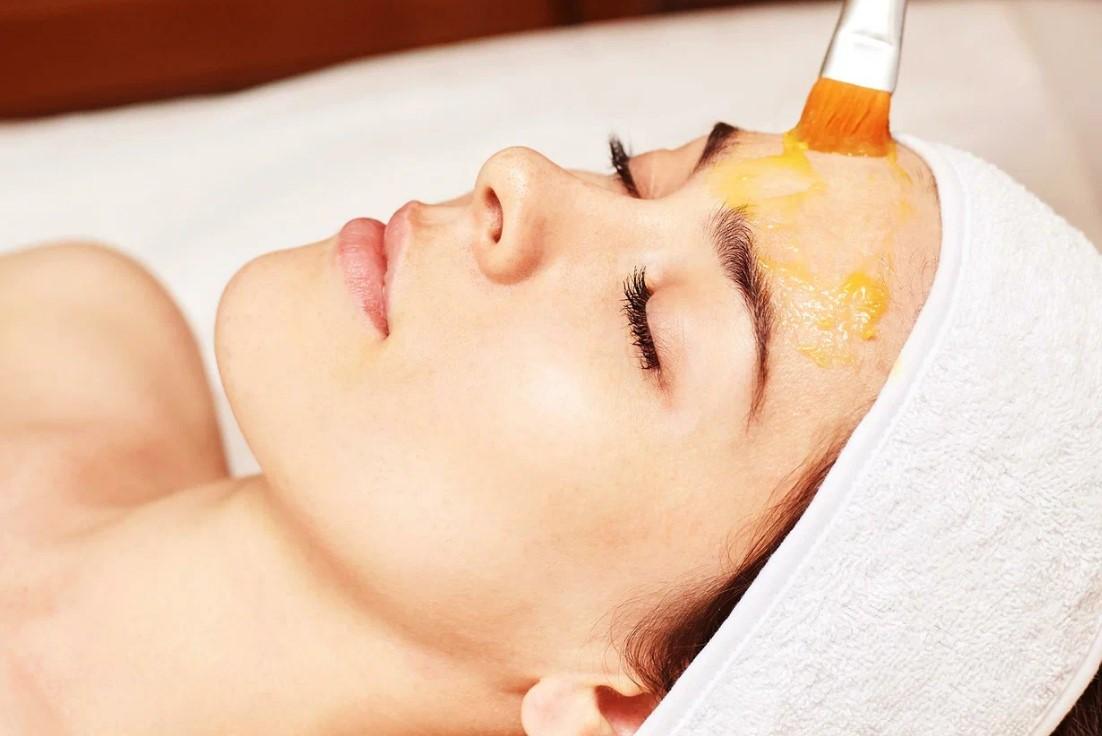
Acne scars are a common skin concern that can affect individuals of all ages, often leaving physical marks and emotional distress. These scars develop when the skin’s tissue is damaged during the healing process of acne lesions, leading to irregularities such as depressed pits, raised areas, or discoloration. Treating acne scars effectively often requires dermatological interventions, and one widely used method is chemical peeling. Chemical peels are non-surgical treatments that help improve the appearance of the skin by promoting exfoliation and regeneration. If you’re looking to refresh your skin, a Chemical Peel in Riyadh can help reduce fine lines, acne scars, and uneven pigmentation for a smoother, radiant complexion.
A chemical peel involves applying a chemical solution to the skin, which causes controlled damage to the outer layers. This controlled injury triggers the skin’s natural healing response, promoting the shedding of damaged skin cells and stimulating collagen production in deeper layers. Collagen is a structural protein in the skin that provides elasticity and strength, and its enhanced production helps fill in depressed scars and smooth uneven textures. Depending on the type and depth of the peel, results can range from subtle improvements in skin texture to significant reduction in scar visibility.
There are several types of chemical peels, each suited for different skin concerns and scar types. Superficial peels typically use mild acids such as alpha hydroxy acids (AHAs) or beta hydroxy acids (BHAs). These peels primarily target the outermost layer of skin, the epidermis, making them ideal for mild scarring, discoloration, or post-inflammatory hyperpigmentation left by acne. Superficial peels are generally safe for most skin types, require minimal downtime, and can be repeated in series to gradually improve skin texture.
Medium-depth peels penetrate deeper into the skin, often using trichloroacetic acid (TCA) at concentrations that reach the papillary dermis. Medium peels are more effective for treating moderate acne scars, including shallow boxcar scars and rolling scars. By reaching deeper layers, these peels not only exfoliate damaged skin but also stimulate substantial collagen remodeling, which helps the skin regain a smoother, more even appearance. Recovery from medium peels typically involves a few days to a week of redness, peeling, and flaking, but the results can be more pronounced compared to superficial treatments.
Deep peels, which penetrate into the reticular dermis, are reserved for severe scarring and extensive skin damage. These peels use stronger agents, such as phenol, and require careful application under professional supervision due to the risk of side effects and longer recovery times. While deep peels can offer dramatic improvements in scar depth and overall skin texture, they are less commonly used for acne scars because of the potential for complications and the need for specialized aftercare.
The mechanism by which chemical peels improve acne scars involves multiple processes. Firstly, by removing the damaged epidermis, peels reveal fresher, smoother skin underneath. This is particularly beneficial for hyperpigmented scars or uneven skin tone, as the peeling process encourages uniform skin regeneration. Secondly, the controlled injury induces fibroblast activity in the dermis, promoting collagen and elastin production. These proteins help “fill in” depressed scars over time, reducing the appearance of pitting or indentations. Additionally, peels can improve overall skin texture, making fine lines, enlarged pores, and surface irregularities less noticeable, which contributes to a more even complexion.
Chemical peels are often combined with other acne scar treatments to achieve optimal results. For instance, they may be used alongside microneedling, laser therapy, or dermal fillers, depending on the type and severity of scars. This combination approach can target different layers of the skin, addressing both surface irregularities and deeper structural deficiencies. Moreover, the frequency and intensity of peels can be adjusted based on individual skin response, allowing for a tailored treatment plan that maximizes benefits while minimizing risks.
It is important to note that chemical peels require proper pre- and post-treatment care. Pre-treatment may involve using gentle exfoliants or prescription creams to prepare the skin, while post-treatment care includes sun protection, moisturizing, and avoiding harsh products to support healing. Side effects such as redness, peeling, temporary darkening, or sensitivity are common but usually resolve within days to weeks. Consulting a qualified dermatologist ensures that the appropriate peel type and concentration are selected, minimizing complications and enhancing results.
In conclusion, chemical peels offer a versatile and effective method for improving acne scars. By promoting exfoliation, stimulating collagen production, and encouraging skin regeneration, peels can smooth out irregular textures, lighten hyperpigmentation, and restore overall skin appearance. With careful selection of peel type, proper aftercare, and, when necessary, combination with other therapies, chemical peels can significantly enhance skin health and appearance, helping individuals regain confidence in their complexion.