English
 Arabic
 French
 Spanish
 Portuguese
 Deutsch
 Turkish
 Dutch
Dutch
 Italiano
 Russian
 Romaian
 Portuguese (Brazil)
 Greek
Greek
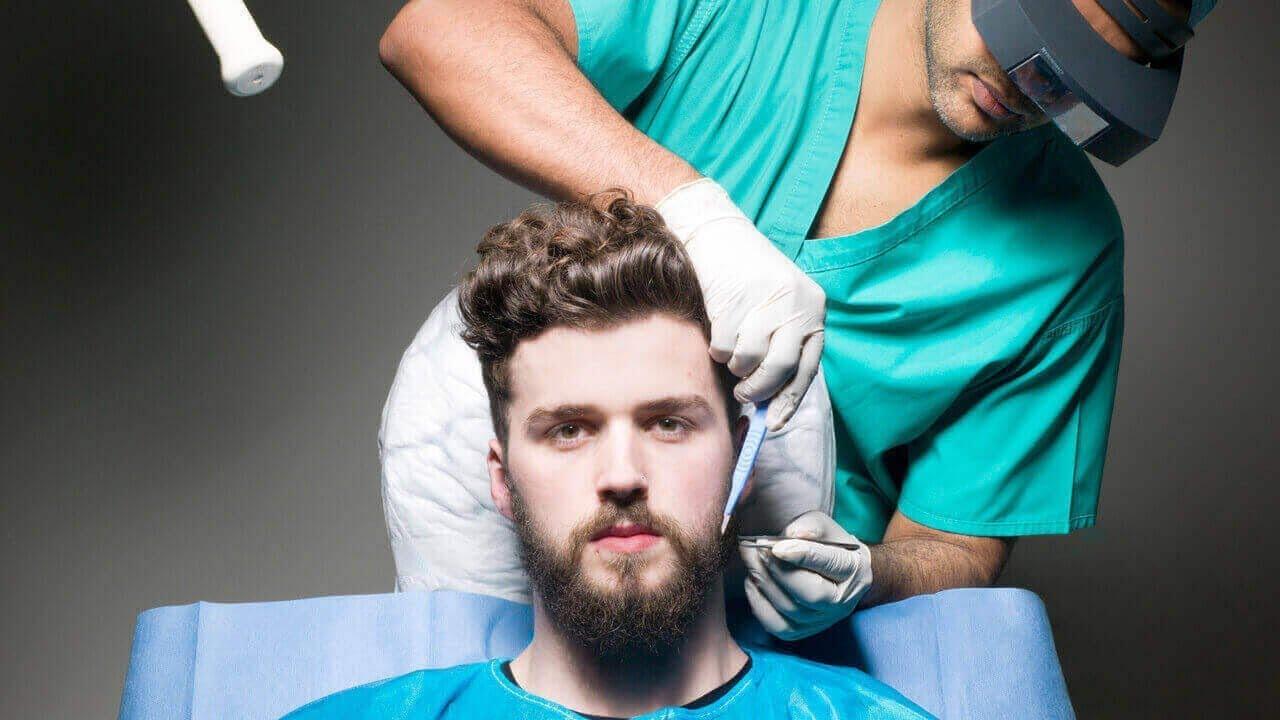
In recent years, facial aesthetics have gained significant attention, and a full, well-groomed beard is often considered a hallmark of masculinity and style. For individuals struggling with patchy beards, sparse hair growth, or scars that inhibit facial hair, beard transplant procedures have emerged as a popular solution. Riyadh, the capital of Saudi Arabia, has witnessed a growing interest in such procedures due to advancements in medical technology, skilled practitioners, and increasing awareness about cosmetic treatments. If you’re looking to achieve a fuller, well-defined look, a beard transplant in Riyadh can help restore natural hair growth and boost confidence.
What Is a Beard Transplant?
A beard transplant is a surgical procedure designed to enhance facial hair growth using hair from another part of the body, usually the scalp. The process involves harvesting hair follicles from a donor area and implanting them into the target facial area, typically the cheeks, chin, jawline, or mustache region. Unlike temporary solutions such as topical treatments or hair growth products, a beard transplant offers a permanent and natural-looking outcome when performed by experienced specialists.
Techniques Used in Beard Transplants
There are primarily two techniques used in beard transplantation: Follicular Unit Extraction (FUE) and Follicular Unit Transplantation (FUT).
-
Follicular Unit Extraction (FUE):
FUE is the most commonly used method in Riyadh for beard transplants. In this technique, individual hair follicles are extracted from the donor area using a micro-punch device. These follicles are then carefully implanted into the recipient area following the natural growth direction of facial hair. FUE is minimally invasive, leaves almost no visible scars, and has a relatively quick recovery period. -
Follicular Unit Transplantation (FUT):
FUT, also known as the strip method, involves removing a thin strip of scalp tissue from the donor site. The hair follicles are then dissected from this strip and transplanted into the beard area. While FUT can yield a higher number of grafts in a single session, it is less common for facial hair due to the potential for linear scarring in the donor area.
Candidacy for a Beard Transplant
Not everyone is a suitable candidate for a beard transplant. Ideal candidates are men who have sufficient donor hair, good overall health, and realistic expectations about the procedure. Conditions such as alopecia areata, hormonal imbalances, or chronic skin conditions may affect eligibility. During consultation, specialists in Riyadh evaluate facial structure, hair density, and desired beard style to create a personalized treatment plan.
The Procedure: Step by Step
-
Consultation:
The process begins with a detailed consultation. Surgeons discuss the patient’s beard goals, assess hair quality in the donor area, and explain the procedure, recovery time, and potential risks. -
Preparation:
On the day of surgery, the donor area is trimmed and cleaned. Local anesthesia is administered to minimize discomfort. -
Harvesting Follicles:
Using either FUE or FUT techniques, hair follicles are carefully extracted from the scalp or other suitable areas. -
Implantation:
The extracted follicles are meticulously placed into tiny incisions in the facial region. The angle, depth, and direction of each follicle are crucial to achieving a natural appearance. -
Post-Procedure Care:
After the transplant, patients may experience mild swelling, redness, or minor discomfort. Proper care, including avoiding strenuous activities and following prescribed medications, is essential for optimal results.
Recovery and Results
Recovery after a beard transplant in Riyadh typically takes a few days for initial healing, with full results visible over several months. Newly transplanted hair will initially shed within a few weeks—a normal part of the growth cycle. New hair growth generally begins after 3–4 months, with significant improvement around six months, and full density achieved within 9–12 months. Once established, the transplanted hair can be trimmed, styled, and maintained like natural facial hair.
Risks and Considerations
Although beard transplants are generally safe, potential risks include infection, scarring, folliculitis (inflammation of hair follicles), and uneven hair growth. Choosing a qualified and experienced clinic in Riyadh is critical to minimize these risks. Patients should also maintain realistic expectations and understand that the final result depends on individual hair characteristics and adherence to post-operative care instructions.
Cost and Availability in Riyadh
The cost of beard transplant procedures in Riyadh can vary based on the technique used, the number of grafts required, and the clinic’s reputation. On average, prices range from moderate to premium levels, reflecting the expertise of surgeons and the quality of care provided. Riyadh hosts several reputable clinics specializing in hair restoration, offering state-of-the-art facilities and internationally trained surgeons who prioritize safety and natural-looking results.
Conclusion
Beard transplant procedures in Riyadh provide a permanent solution for men seeking fuller facial hair. With advancements in FUE and FUT techniques, patients can achieve natural, aesthetically pleasing results with minimal scarring. Proper consultation, careful planning, and adherence to post-operative instructions are essential for optimal outcomes. As the popularity of facial hair continues to rise, Riyadh has positioned itself as a hub for high-quality beard transplant services, combining medical expertise with the latest cosmetic technologies.