English
 Arabic
 French
 Spanish
 Portuguese
 Deutsch
 Turkish
 Dutch
Dutch
 Italiano
 Russian
 Romaian
 Portuguese (Brazil)
 Greek
Greek
A Parent’s Guide to Pediatric Palate Repair in Riyadh
Palate Repair Surgery in Riyadh is a significant milestone in a child’s healthcare journey, often representing the most critical step in addressing a congenital cleft palate. For parents in the Saudi capital, receiving this diagnosis can feel overwhelming, but modern pediatric surgery has turned this complex condition into a highly manageable one with excellent long-term outcomes. This guide is designed to help families navigate the clinical landscape, from the initial consultation to the day of surgery and the subsequent healing phase. By understanding what happens behind the scenes in Riyadh’s specialized pediatric units, parents can transition from a place of uncertainty to becoming empowered advocates for their child’s health and development.
The Multidisciplinary Team Approach
In Riyadh, pediatric palate repair is rarely the work of a single doctor. Instead, it involves a "Cleft Team"—a group of specialists who collaborate to ensure every aspect of the child’s growth is considered. As a parent, your first point of contact will likely be a plastic and reconstructive surgeon, but you will also meet with an orthodontist, an otolaryngologist (ENT), and a speech-language pathologist. This team-based approach is a hallmark of the high-standard care in the region, ensuring that while the surgeon focuses on closing the gap, the ENT monitors the child’s hearing and the orthodontist tracks jaw alignment.
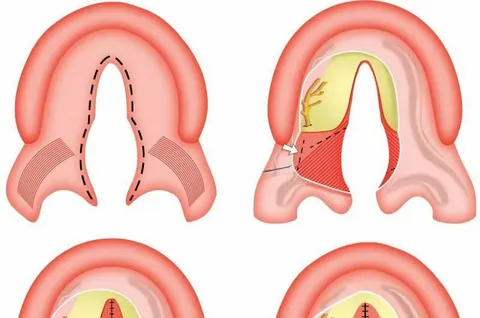
During the initial "team day" or consultation, the specialists will perform a comprehensive assessment. They will evaluate the width of the cleft, the health of the surrounding tissue, and the child's overall weight and nutrition. This is the ideal time for parents to ask questions about the specific surgical technique that will be used. Riyadh’s medical centers prioritize clear communication, often providing families with visual aids or models to explain how the muscles will be moved to create a functional roof for the mouth. Understanding that a whole team is watching over your child provides a layer of security as you prepare for the procedure.
Preparing Your Child for the Big Day
The weeks leading up to Palate Repair Surgery in Riyadh involve practical preparations to ensure the smoothest possible experience. Surgeons typically schedule this repair when the child is between 6 and 12 months old. In the month prior, parents are often advised to transition their child away from traditional bottles or pacifiers if they are using them, as these cannot be used immediately after surgery due to the suction they require. Familiarizing your child with "open cup" feeding or a side-loading syringe can significantly reduce stress during the post-operative period.
Medical clearance is another vital step. Your pediatrician will perform a "well-child" check to ensure there are no active infections, such as a cold or a lingering ear infection, which could lead to the surgery being postponed. On the day of the procedure, you will be given strict instructions regarding "NPO" (nothing by mouth) times. Following these fasting rules is essential for the safety of general anesthesia. Most hospitals in Riyadh provide a supportive environment for parents, allowing one guardian to stay with the child right up until they are taken into the operating theater and to be there the moment they wake up in the recovery room.
Navigating the Hospital Stay and Pain Management
The actual surgery typically lasts between two and three hours, during which the surgeon meticulously closes the palate in three layers: the nasal lining, the muscle layer, and the oral lining. After the procedure, your child will spend one to two nights in a specialized pediatric ward. It is natural for parents to feel anxious seeing their child with IV lines or monitoring equipment, but the nursing staff in Riyadh are highly trained in post-operative pediatric care. They will focus on two main priorities: keeping the child hydrated and keeping them comfortable.
Pain management is handled through a proactive schedule of medications. Rather than waiting for the child to show signs of distress, nurses administer analgesics at regular intervals to maintain a steady level of comfort. You may notice that your child’s voice sounds different—perhaps more "stuffy"—or that there is a small amount of bloody drainage from the nose or mouth. These are normal parts of the initial healing process. The goal during the hospital stay is to ensure the child can drink enough fluids to stay hydrated before they are cleared to go home.
The First Three Weeks at Home
The true "work" of recovery happens at home, and the first three weeks are the most critical. Parents must enforce a strict "soft diet." Anything with a crunch or a sharp edge—like a biscuit or a cracker—is a hazard to the fresh stitches. Pureed foods, yogurts, and thickened liquids are the standard. Additionally, to protect the surgical site from wandering hands, your child may need to wear soft arm splints (often called "no-no's"). These prevent the elbows from bending, keeping fingers and toys out of the mouth while the delicate tissues knit together.
Hygiene is maintained simply by offering water after every meal to rinse the mouth. You should avoid using a toothbrush near the surgical site until the surgeon gives the green light, usually at the two-week follow-up appointment. As a parent, your role during this time is one of comfort and vigilance. While the child may be more irritable than usual, most return to their happy selves within a few days. By following these guidelines diligently, you are protecting the surgeon’s work and ensuring that the Palate Repair Surgery in Riyadh provides your child with a functional palate that will serve them well for a lifetime of clear speech and healthy smiles.