 English
 Arabic
 French
 Spanish
 Portuguese
 Deutsch
 Turkish
 Dutch
Dutch
 Italiano
 Russian
 Romaian
 Portuguese (Brazil)
 Greek
Greek
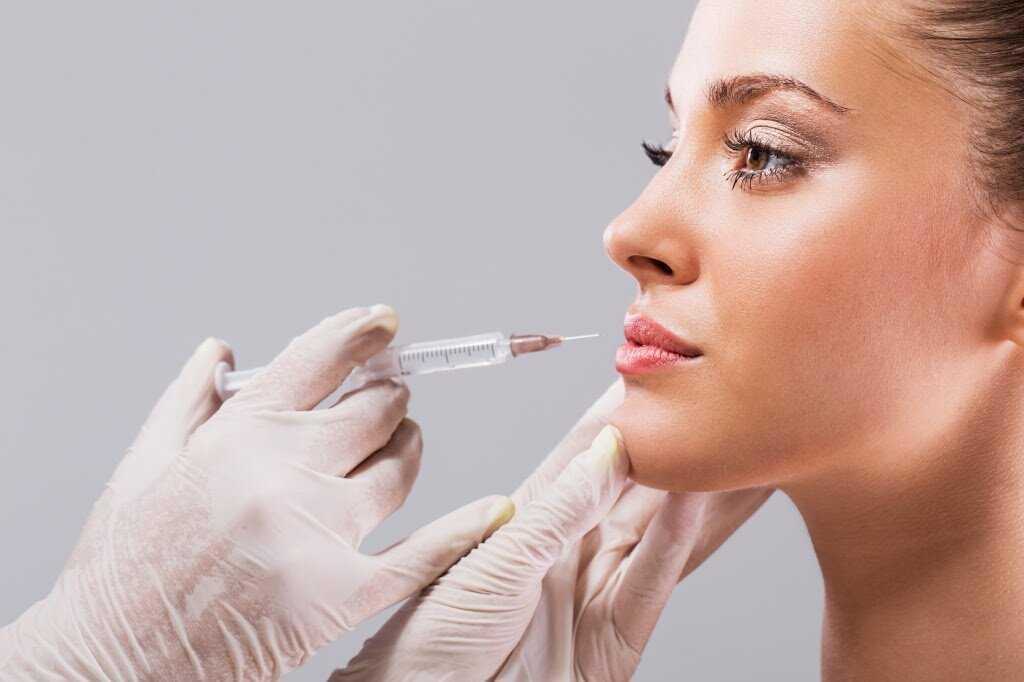
Dermal fillers have become one of the most popular non-surgical cosmetic treatments in Riyadh, reflecting a broader global trend toward minimally invasive facial rejuvenation. These injectable substances are used to restore lost volume, smooth wrinkles, enhance facial contours, and improve overall skin appearance. Clinics across Riyadh commonly offer a range of filler types, each designed for specific aesthetic goals. Understanding the most popular types helps patients make informed decisions based on their needs, expectations, and safety considerations. Dermal fillers in Riyadh are becoming a popular choice for individuals seeking non-surgical facial enhancement and rejuvenation.
The most widely used dermal fillers in Riyadh are hyaluronic acid (HA) fillers. Hyaluronic acid is a naturally occurring substance in the skin that retains moisture and keeps tissues hydrated and plump. Because of its natural compatibility with the body, HA fillers are considered safe and versatile. They are commonly used for lip enhancement, cheek contouring, under-eye correction, and smoothing fine lines. Results are immediate and typically last between six months to one year, depending on the product and treatment area. Another key advantage is that HA fillers are reversible using an enzyme called hyaluronidase, making them a preferred choice for first-time patients or those seeking temporary enhancements.
Another popular category in Riyadh is calcium hydroxylapatite (CaHA) fillers. This substance is naturally found in human bones and is formulated into a thicker gel compared to HA fillers. CaHA fillers are often used for deeper wrinkles, such as nasolabial folds, and for enhancing facial structure, including the jawline and cheeks. One of their major benefits is their ability to stimulate collagen production, which helps improve skin quality over time. Results from CaHA fillers generally last longer than HA fillers, often around 12 months or more. However, unlike HA fillers, they are not reversible, so careful application by experienced practitioners is essential.
Poly-L-lactic acid (PLLA) fillers are also gaining popularity in Riyadh, particularly among patients looking for gradual and natural-looking improvements. Unlike traditional fillers that provide immediate volume, PLLA works by stimulating the body’s own collagen production. This makes it especially effective for treating facial volume loss and improving skin texture over time. Results develop gradually over several weeks or months and can last up to two years or longer. Because of their progressive nature, PLLA fillers are often used in a series of treatments rather than a single session.
Another type available in advanced aesthetic clinics in Riyadh is polymethylmethacrylate (PMMA) fillers. These are considered semi-permanent or long-lasting fillers and contain tiny microspheres that remain under the skin to provide structural support. PMMA fillers are typically used for deeper wrinkles, acne scars, and long-term volume restoration. While they offer durable results, they require careful patient selection and skilled application due to their longevity and reduced reversibility. For this reason, they are less commonly used than HA fillers but remain an option for those seeking long-term outcomes.
In addition to these main categories, Riyadh clinics are increasingly offering biostimulatory fillers, which focus on enhancing the skin’s natural regenerative processes. These include products that combine ingredients such as HA and CaHA or newer formulations designed to improve collagen and elastin production. These fillers appeal to patients who prefer subtle, long-term improvements rather than dramatic changes. This trend aligns with the growing preference in Riyadh for natural-looking results and preventative aesthetic treatments.
The popularity of these fillers in Riyadh is influenced by several factors, including advancements in cosmetic dermatology, increasing awareness of aesthetic procedures, and a cultural preference for maintaining a youthful yet natural appearance. Highly trained dermatologists and aesthetic practitioners in the city often customize treatments by combining different types of fillers to achieve optimal results. For example, HA fillers may be used for lips and fine lines, while CaHA or PLLA fillers are used for deeper structural enhancement.
Safety is a critical consideration when choosing dermal fillers. Although these treatments are generally safe, they must be performed by qualified professionals to minimize risks such as swelling, bruising, or more serious complications. Patients in Riyadh are encouraged to seek licensed clinics and undergo proper consultations before treatment. The choice of filler depends on multiple factors, including the treatment area, desired duration, budget, and individual skin characteristics.
In conclusion, the most popular dermal fillers used in Riyadh include hyaluronic acid, calcium hydroxylapatite, poly-L-lactic acid, and polymethylmethacrylate fillers. Each type offers unique benefits, ranging from temporary and reversible results to long-lasting collagen stimulation. As the demand for non-surgical cosmetic procedures continues to grow, dermal fillers remain a key option for individuals seeking safe, effective, and customizable facial rejuvenation solutions.

