English
 Arabic
 French
 Spanish
 Portuguese
 Deutsch
 Turkish
 Dutch
Dutch
 Italiano
 Russian
 Romaian
 Portuguese (Brazil)
 Greek
Greek
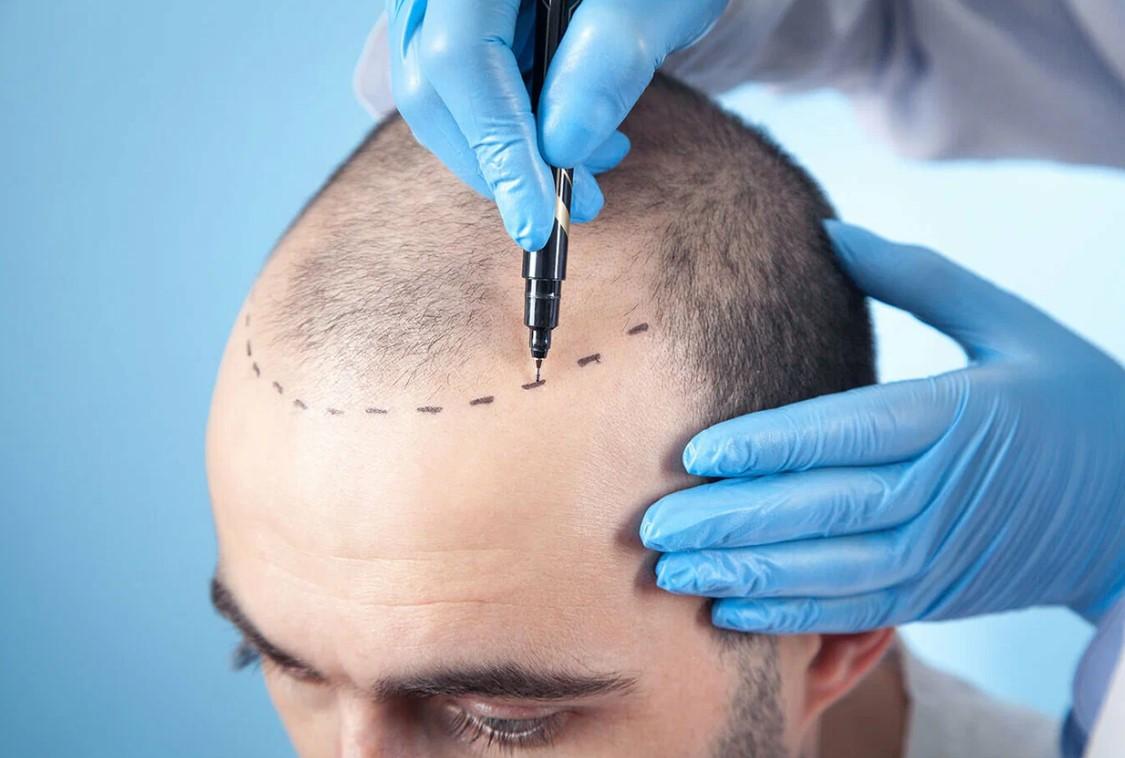
Hair loss is a complex condition that affects millions of people worldwide, and understanding its patterns is a critical step before considering a hair transplant. The patterns of hair loss vary greatly depending on age, gender, genetics, hormonal influences, and underlying medical conditions. A clear understanding of these factors helps both patients and surgeons plan the most effective hair restoration strategy, ensuring natural-looking results and long-term satisfaction. Hair transplant in Dammam has become a popular solution for those seeking effective and long-lasting hair restoration.
The most common type of hair loss in men is androgenetic alopecia, often referred to as male pattern baldness. This condition is primarily influenced by genetics and hormones, specifically dihydrotestosterone (DHT), which affects susceptible hair follicles over time. Male pattern baldness typically follows a predictable pattern, starting with a receding hairline at the temples and thinning at the crown. As the condition progresses, these areas may expand, leaving a characteristic horseshoe-shaped band of hair around the sides and back of the head. Understanding this progression is crucial before a transplant because it informs the surgeon about which areas are likely to remain stable and which are prone to further thinning. Hair from the stable areas, usually the back and sides of the scalp, is typically used as donor hair in transplants, as it is resistant to DHT and more likely to survive in the transplanted site.
In women, hair loss patterns differ significantly and are often less predictable than in men. Female pattern hair loss generally involves diffuse thinning across the top of the scalp, while the frontal hairline usually remains intact. This condition can be influenced by hormonal changes, such as those occurring during pregnancy, menopause, or due to conditions like polycystic ovary syndrome. Because women typically have a broader area of thinning and less defined donor regions, careful evaluation is necessary to determine the feasibility and extent of hair transplantation. Pre-transplant assessment often includes analyzing hair density, hair shaft diameter, and scalp laxity to ensure that sufficient donor hair is available and that the transplant will produce a natural appearance.
Besides androgenetic alopecia, other types of hair loss can influence transplant planning. Alopecia areata, an autoimmune condition causing patchy hair loss, is usually unpredictable and may not be suitable for hair transplantation until the disease is stable. Similarly, scarring alopecias, caused by trauma, burns, or certain skin diseases, result in permanent follicle loss. In these cases, hair transplants can sometimes be performed, but the surgeon must evaluate the quality of the scar tissue and blood supply to ensure graft survival. Identifying the underlying cause of hair loss before surgery is critical because transplanting into areas of active or unstable hair loss can lead to poor outcomes and dissatisfaction.
Evaluating hair loss patterns also involves understanding the progression rate. For instance, men with early-stage thinning may benefit from medical therapy, such as minoxidil or finasteride, to slow further loss before considering a transplant. Transplanting too early in someone with ongoing, rapid hair loss can create an unnatural appearance as the surrounding hair continues to thin. Conversely, waiting too long may limit donor hair availability or make it challenging to achieve sufficient coverage. Surgeons often use standardized classification systems, such as the Norwood scale for men and the Ludwig scale for women, to assess the degree and pattern of hair loss. These scales provide a visual reference to guide treatment planning and set realistic expectations for patients.
Hair density, scalp laxity, and donor hair characteristics are also integral to understanding hair loss patterns before a transplant. Higher density in the donor area allows for more grafts to be harvested without causing noticeable thinning. Scalp laxity, or the looseness of the scalp, affects the surgeon’s ability to perform certain transplant techniques, such as follicular unit transplantation. Additionally, hair color, curl, and thickness can impact the visual coverage achieved by the transplant. For example, curly or thick hair can create the illusion of fuller coverage, while fine, straight hair may require more grafts to achieve the same effect.
In conclusion, understanding hair loss patterns is essential for planning a successful hair transplant. The type, cause, and progression of hair loss, combined with donor hair characteristics, determine the surgical approach and the potential for long-term, natural results. Both men and women require individualized assessments, as patterns differ significantly between genders and among individuals. Pre-transplant evaluation includes analyzing hair density, scalp characteristics, and progression rates, which ensures that the chosen strategy maximizes aesthetic outcomes while minimizing risks. By thoroughly understanding these patterns, patients and surgeons can collaborate to achieve results that restore both hair and confidence.
This comprehensive assessment ensures the transplant not only addresses current hair loss but also anticipates future changes, making the procedure more effective and sustainable over time.