 English
 Arabic
 French
 Spanish
 Portuguese
 Deutsch
 Turkish
 Dutch
Dutch
 Italiano
 Russian
 Romaian
 Portuguese (Brazil)
 Greek
Greek
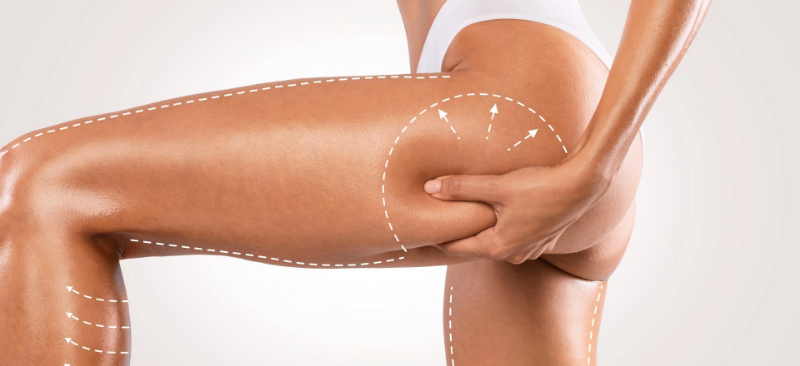
Everything You Need to Know About Thigh Lift Recovery in Riyadh
Embarking on the recovery phase of a Thigh Lift Riyadh is a disciplined process that marks the final stage of your transformation. While the surgical procedure itself corrects the anatomical concerns of skin laxity and tissue redundancy, the quality of your final result—including the maturation of your scars and the firmness of your contours—is largely determined by how strictly you adhere to your post-operative care protocol. In Riyadh’s high-standard aesthetic clinics, recovery is treated as a professional, multi-phase experience designed to ensure your safety, comfort, and long-term aesthetic success.
Phase 1: The First 48 Hours (Acute Recovery)
The immediate aftermath of your surgery focuses on physiological stabilization. You will wake up in a recovery area wearing specialized compression garments.
-
Hospitalization/Rest: Depending on the surgical plan, you may have a short observation period. Once discharged, your primary responsibility is absolute rest.
-
Pain Management: You will be provided with a tailored medication schedule. Staying ahead of discomfort is key; follow your surgeon's prescribed timing rather than waiting for pain to peak.
-
Mobility: While you must avoid strenuous activity, you will be encouraged to take short, assisted walks around your home several times a day. This is vital to promote blood circulation and minimize the risk of venous complications.
-
Support: Having a dedicated caregiver for the first 48 hours is non-negotiable. You will need assistance with personal hygiene, medication administration, and simple movement.
Phase 2: Weeks 1–2 (The Healing Baseline)
As your body begins to recover, the focus shifts to protecting the integrity of the incisions.
-
Compression Garments: You will wear these 24/7. They are your primary tool for reducing post-surgical swelling and supporting the skin as it settles into its new, tighter position.
-
Incision Hygiene: Keeping the groin and inner thigh area clean and dry is the best way to prevent infection. Follow your surgeon’s specific instructions regarding shower timing and dressing changes.
-
Fluid Management: You may notice some swelling, which is a normal response to tissue trauma. Staying well-hydrated and keeping your legs elevated when seated can help manage this fluid accumulation.
Phase 3: Weeks 3–6 (Gradual Mobilization)
During this phase, you will start to feel more like yourself, but this is the "danger zone" for overexertion.
-
Activity Restrictions: Even if you feel energetic, you must continue to avoid high-impact activities. Movements that cause significant stretching or abduction of the legs—such as deep squats, lunges, or wide-leg stretches—can place dangerous tension on your sutures.
-
Returning to Routine: Sedentary work may be resumed during this window, provided you can avoid prolonged standing or sitting in positions that strain your inner thighs.
-
Compression Adjustments: Your surgeon may allow you to transition to wearing compression garments only during the day or during physical activity, depending on your individual healing progress.
Phase 4: Month 2 and Beyond (Maturation)
By the second month, you will begin to see the "refined" results of your lift.
-
Exercise Clearance: You will typically be cleared for more comprehensive physical activity. Start slowly, focusing on light cardio and core training before gradually reintroducing lower-body resistance work.
-
Scar Management: This is the phase where scar maturation becomes the priority. Use prescribed silicone gels or sheets to keep the scar tissue hydrated and flat. Protect the area from the Riyadh sun, as UV rays can lead to hyperpigmentation, making scars more noticeable.
Keys to a Successful Recovery in Riyadh
-
Nutrition: Support your body’s collagen production by prioritizing a high-protein diet, along with Vitamin C and Zinc.
-
No Nicotine: The prohibition on nicotine remains in place. Continued avoidance is essential to prevent micro-vascular complications that could delay your healing.
-
Patience with Swelling: It is important to remember that final contours can take 6–12 months to fully settle. Minor swelling may persist in the lower leg area for several months; this is a normal part of the process.
By viewing your recovery as a proactive commitment to your overall health, you can ensure that the aesthetic benefits of your surgery are maximized. Adherence to these clinical guidelines is the most effective way to enjoy the firm, sculpted legs you have worked to achieve.
