English
 Arabic
 French
 Spanish
 Portuguese
 Deutsch
 Turkish
 Dutch
Dutch
 Italiano
 Russian
 Romaian
 Portuguese (Brazil)
 Greek
Greek
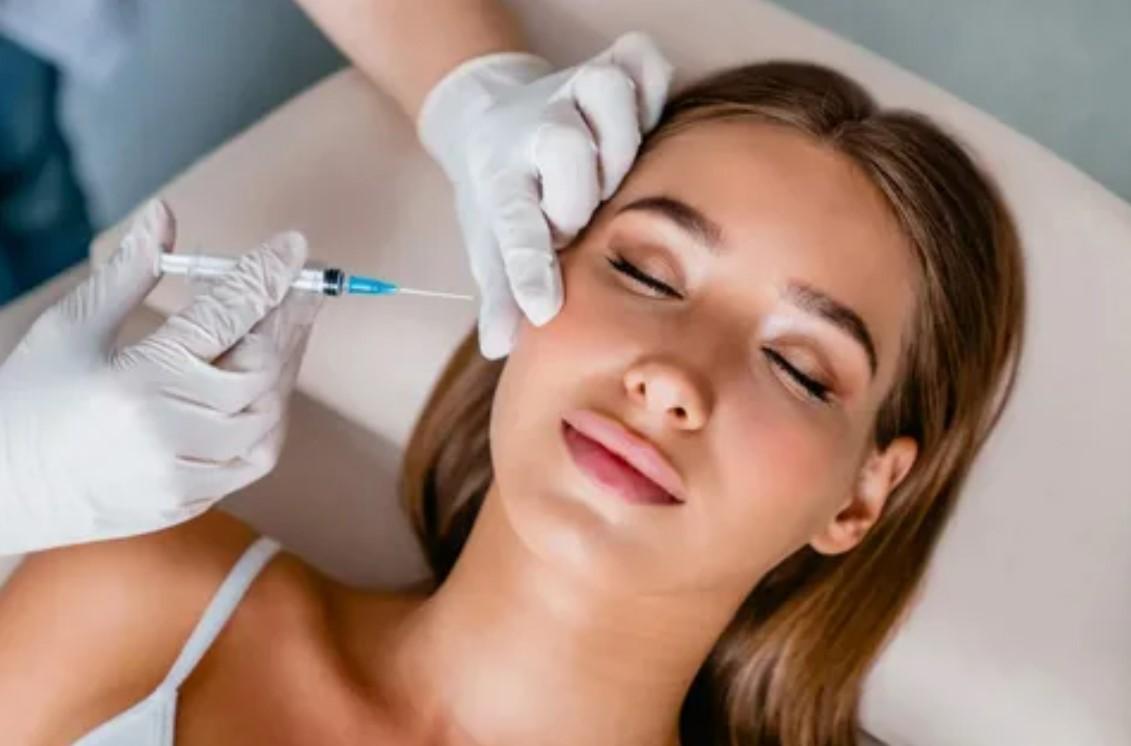
Botox is a widely used cosmetic treatment that helps reduce the appearance of facial wrinkles and fine lines. The term “Botox” is actually a brand name for a purified form of botulinum toxin type A, a substance produced by a bacterium called Clostridium botulinum. Although this toxin is known for causing a serious illness called botulism in large amounts, in very small, controlled doses it can be safely used for both medical and cosmetic purposes. Botox in Riyadh is becoming an increasingly popular choice for individuals seeking non-surgical facial rejuvenation and a more youthful appearance.
In cosmetic use, Botox is primarily used to temporarily smooth dynamic wrinkles. These are wrinkles that form due to repeated facial movements such as smiling, frowning, squinting, or raising the eyebrows. Common areas treated include forehead lines, crow’s feet around the eyes, and frown lines between the eyebrows (often called “11 lines”). Over time, repeated muscle contractions in these areas cause the skin to crease and eventually form visible lines even at rest.
The way Botox works is by affecting the communication between nerves and muscles. Normally, when you want to move a muscle, your brain sends a signal through nerves to release a chemical called acetylcholine. This chemical binds to receptors on the muscle, causing it to contract. Botox blocks the release of acetylcholine at the nerve endings. As a result, the targeted muscle cannot contract as strongly as before.
When Botox is injected into specific facial muscles, it causes a temporary relaxation or weakening of those muscles. Because the muscles are less active, the overlying skin becomes smoother and the wrinkles soften or disappear. It is important to note that Botox does not fill wrinkles (like dermal fillers do); instead, it reduces the muscle activity that causes them in the first place.
The procedure itself is relatively quick and minimally invasive. A trained medical professional uses a very fine needle to inject small amounts of Botox into targeted muscles. The number of injections depends on the area being treated and the desired results. Most sessions take about 10 to 20 minutes, and anesthesia is usually not required, although a numbing cream may sometimes be applied.
After the treatment, there is little to no downtime. Some people may experience mild redness, swelling, or slight bruising at the injection sites, but these effects are usually temporary and resolve within a few hours or days. Patients are typically advised to avoid rubbing the treated area, lying down immediately after the procedure, or engaging in strenuous exercise for a short period to prevent the toxin from spreading to unintended areas.
The results of Botox are not immediate. It usually takes about 3 to 5 days to start noticing changes, with full results appearing within 1 to 2 weeks. The effects are temporary, typically lasting between 3 to 6 months. After that, muscle activity gradually returns, and wrinkles may reappear, which is why repeat treatments are needed to maintain the desired appearance.
Botox is generally considered safe when administered by a qualified and experienced practitioner. However, like any medical procedure, it carries some risks and potential side effects. These may include headaches, drooping eyelids, uneven facial expressions, or temporary muscle weakness in nearby areas. Serious complications are rare but can occur if the toxin spreads beyond the targeted muscles.
One of the key reasons Botox has become so popular in cosmetic use is its ability to provide noticeable results without surgery. It offers a non-permanent, adjustable option for people who want to reduce signs of aging while maintaining a natural look. Skilled practitioners aim to preserve facial expressions while softening harsh lines, rather than completely freezing the face.
In addition to cosmetic uses, Botox also has several medical applications. It is used to treat conditions such as chronic migraines, excessive sweating (hyperhidrosis), muscle spasms, and certain neurological disorders. These medical uses rely on the same mechanism of action—blocking nerve signals to reduce unwanted muscle activity or gland function.
In conclusion, Botox is a cosmetic treatment that works by temporarily relaxing specific facial muscles to reduce the appearance of wrinkles. Its effectiveness, quick procedure time, and minimal recovery period have made it a popular choice for individuals seeking non-surgical facial rejuvenation. However, proper administration by a trained professional is essential to ensure both safety and natural-looking results.