English
 Arabic
 French
 Spanish
 Portuguese
 Deutsch
 Turkish
 Dutch
Dutch
 Italiano
 Russian
 Romaian
 Portuguese (Brazil)
 Greek
Greek
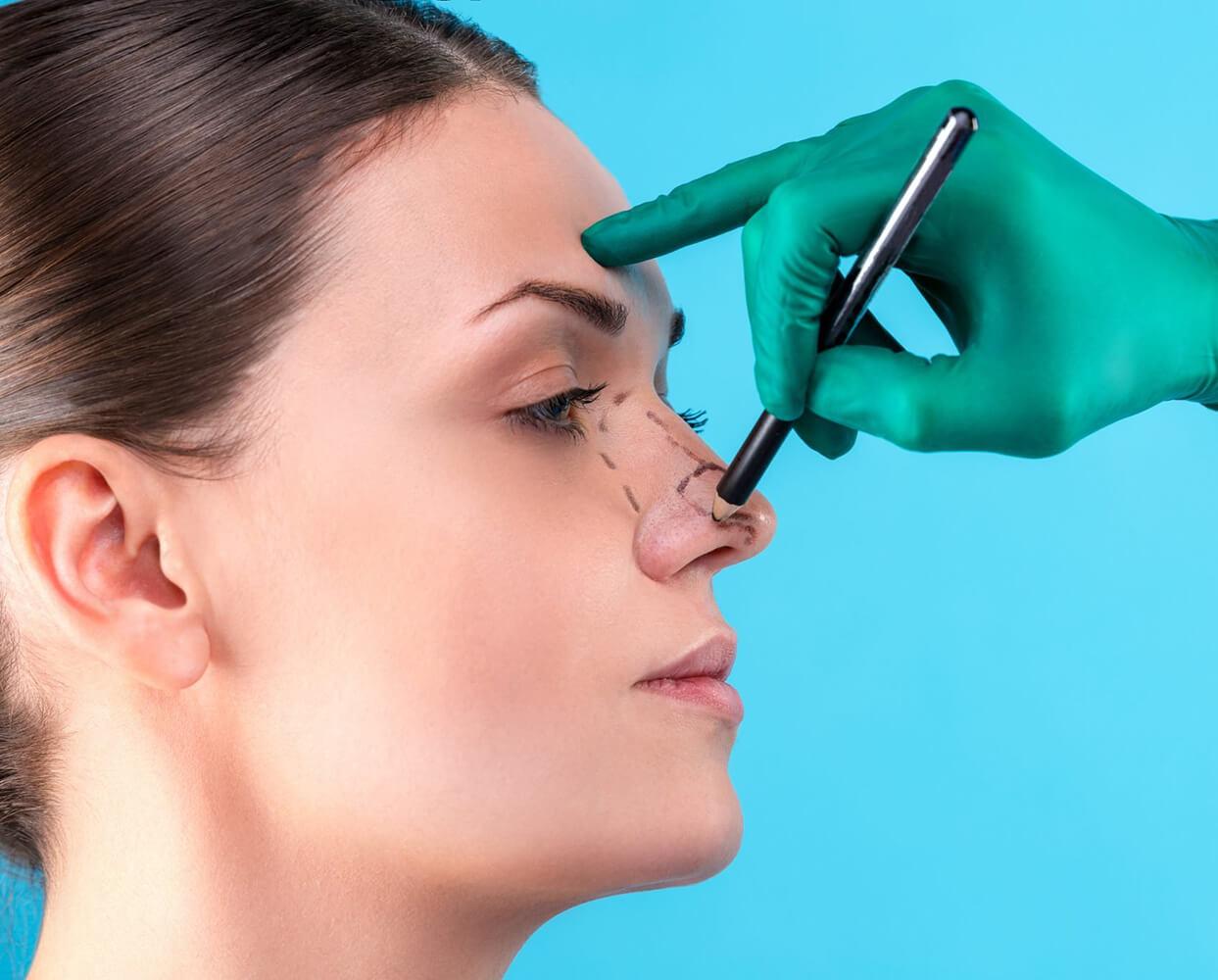
Rhinoplasty — often called a nose job — is a surgical procedure that reshapes, resizes, or reconstructs the nose. It can be performed for aesthetic reasons (to improve appearance and facial harmony), functional reasons (to improve breathing), or a combination of both. Riyadh has become a leading city in the region for advanced cosmetic surgery, including rhinoplasty techniques used by experienced plastic surgeons. If you’re considering a nose enhancement, Rhinoplasty Riyadh offers a range of surgical and non-surgical options to help achieve your desired look.
When a surgeon plans rhinoplasty, they carefully consider your facial features, nasal anatomy, skin thickness, and your personal goals. The aim is to achieve results that look natural and balanced with the rest of your face.
1. Open Rhinoplasty
Open rhinoplasty is one of the most common surgical approaches used in Riyadh for detailed reshaping. It involves making a small incision at the base of the columella (the thin strip of tissue between the nostrils) so that the nasal skin can be lifted to expose the nasal framework.
Advantages
- Better visibility and access for the surgeon: Because the internal structures are fully visible, complex reshaping — such as adjustments to the nasal tip or significant work on cartilage — can be done with high precision.
- Ideal for complex cases: Open rhinoplasty is often chosen for secondary procedures (revision rhinoplasty) or when significant structural changes are required.
Considerations
- Slightly longer recovery and temporary swelling may be more noticeable initially compared to closed techniques.
2. Closed Rhinoplasty
Closed rhinoplasty is performed entirely through incisions inside the nostrils, without any external cuts. This makes it a popular choice for many patients in Riyadh who want minimal visible scarring.
Advantages
- No external scars: All incisions are inside the nose.
- Faster recovery: Because this method is less invasive on the external structures, swelling and bruising are generally less than with open rhinoplasty.
Best For
- Less complex reshaping procedures, such as reducing a small bump or narrowing the nasal bridge slightly.
3. Functional Rhinoplasty (Septorhinoplasty)
A functional rhinoplasty, also known as septorhinoplasty when combined with aesthetic changes, focuses on improving breathing function rather than appearance alone. This is especially relevant for patients who have nasal obstruction, a deviated septum, or airway collapse.
Goals
- Improve airflow and correct structural issues inside the nose — such as a deviated septum — that cause breathing difficulties.
- Can be combined with cosmetic reshaping so the nose looks better and works better.
Why It’s Important
Even minor nasal blockages can impact sleep quality, exercise tolerance, and overall quality of life. A functional rhinoplasty helps alleviate such problems while maintaining or improving appearance.
4. Non‑Surgical (Liquid) Rhinoplasty
Non‑surgical rhinoplasty — often called liquid rhinoplasty — uses dermal fillers to temporarily reshape the nose without any incisions. This procedure is available in Riyadh at clinics offering aesthetic injection services.
Benefits
- Quick and minimally invasive: The procedure typically takes under an hour and recovery is immediate.
- Great option for subtle refinements: It can correct minor bumps, asymmetry, or refine the nasal profile without surgery.
Limitations
- Results are temporary; they typically last 6–18 months depending on the filler used.
- Not suitable for functional corrections or major structural changes.
5. Revision (Secondary) Rhinoplasty
Revision rhinoplasty is performed when a patient has had a previous rhinoplasty but is unhappy with the outcome — either cosmetically or functionally. This type of procedure is technically more demanding, as the anatomy has already been altered once.
Why It’s Different
- Often requires careful rebuilding because scar tissue and altered cartilage make the surgery more complex than the first time.
- Requires a highly experienced surgeon since precision is key to achieving improved results.
6. Ethnic Rhinoplasty
Ethnic rhinoplasty respects and maintains cultural and racial features while achieving proportional enhancements. In Riyadh’s diverse population, many surgeons specialize in techniques that preserve natural identity rather than imposing a one‑size‑fits‑all aesthetic.
Goals
- Enhance nose shape while retaining features characteristic of the patient’s ethnic background.
- Focus on balance rather than dramatic change.
7. Augmentation Rhinoplasty (Including Grafts and Implants)
Some patients benefit from augmentation — building up certain parts of the nose using cartilage grafts (from ear, septum, or rib) or implants like Gore‑Tex. This technique is useful when the nasal bridge or tip lacks definition or structure.
Applications
- Enhances nasal projection or support.
- Often used in reconstructive cases or ethnic rhinoplasty.
Conclusion
In Riyadh, rhinoplasty procedures range from traditional open and closed surgeries to advanced functional, ethnic, and non‑surgical techniques. Whether your goal is cosmetic refinement, improved breathing, or corrective revision, understanding the differences in procedure types helps you make informed decisions and communicate expectations effectively with your surgeon. Always consult a board‑certified plastic surgeon who can assess your individual anatomy and goals and recommend the best approach tailored to your needs.