English
 Arabic
 French
 Spanish
 Portuguese
 Deutsch
 Turkish
 Dutch
Dutch
 Italiano
 Russian
 Romaian
 Portuguese (Brazil)
 Greek
Greek
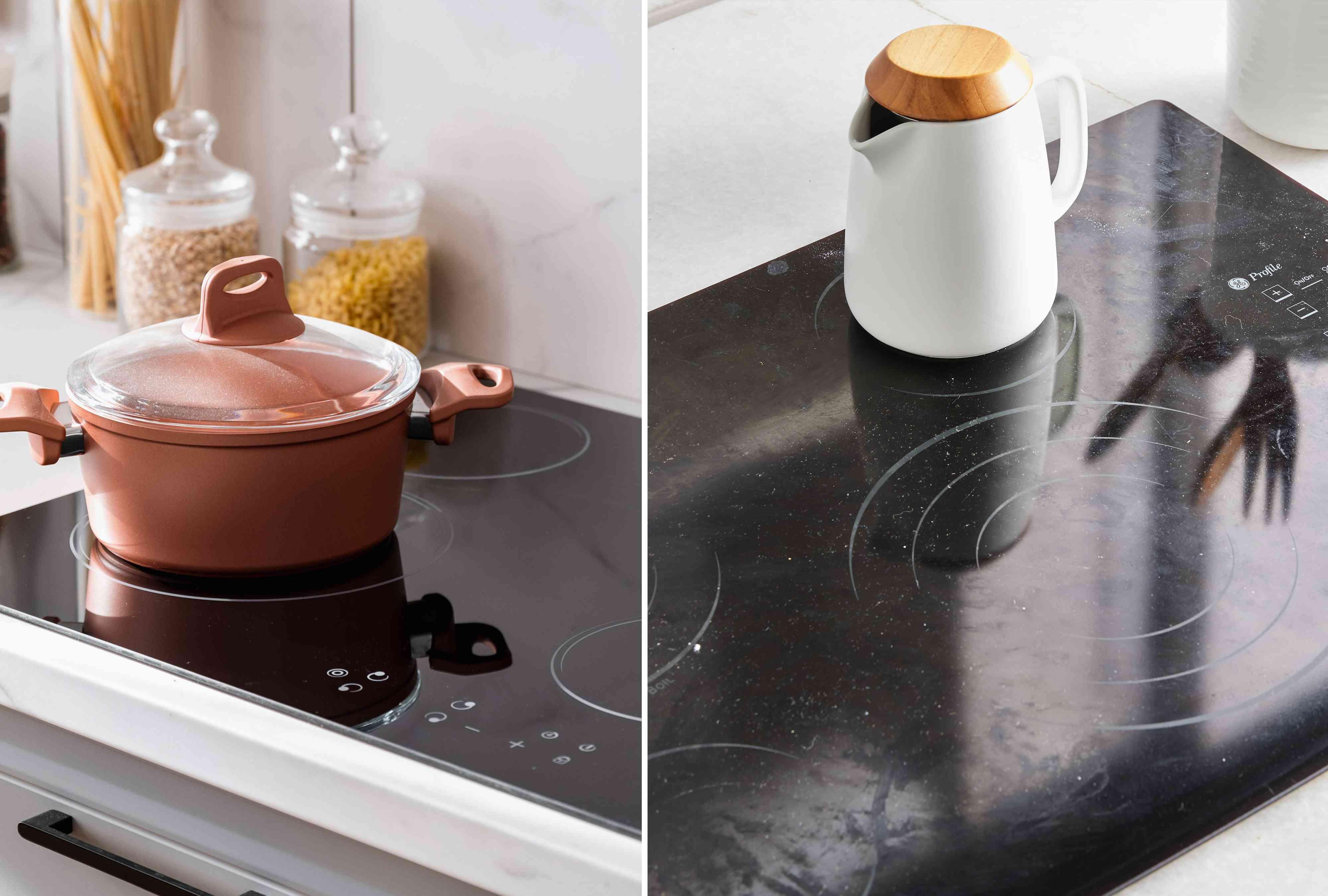
When it comes to modern kitchen upgrades, homeowners often find themselves debating between an induction cooktop and a traditional electric cooktop. The question that frequently arises is about speed—how quickly can each type of cooktop heat up and cook your meals? Understanding the differences between these two options is essential to making an informed choice. In this article, we will explore Induction vs Electric Cooktop, focusing on which one heats faster, energy efficiency, safety, and overall performance.
How Induction Cooktops Work
Induction cooktops use electromagnetic fields to directly heat the cookware rather than the cooktop surface itself. This method allows for near-instantaneous heat transfer, meaning that your pot or pan reaches the desired temperature much faster than traditional methods. The technology behind induction ensures that energy is concentrated exactly where it is needed, which minimizes heat loss and provides precise temperature control. Because the cooktop itself remains relatively cool, cleaning and safety are additional benefits of induction cooking.
How Electric Cooktops Work
Electric cooktops, on the other hand, rely on heating elements beneath a ceramic or glass surface. The elements must first heat up before transferring that heat to your cookware. This process inherently takes longer than induction because the energy passes through the cooktop before reaching the pot or pan. While electric cooktops have improved over the years, offering smoother surfaces and more even heating than older coil-based models, they still cannot match the rapid response of an induction cooktop.
Speed Comparison: Induction vs Electric Cooktop
When comparing the two, speed is where induction really shines. Tests show that induction cooktops can boil water almost twice as fast as electric cooktops of the same wattage. For example, heating two liters of water from room temperature to boiling may take about 6–7 minutes on an electric cooktop, while an induction cooktop can accomplish the same task in roughly 3–4 minutes. This speed advantage can make a significant difference, especially in busy households where efficiency matters.
The difference in heating speed is particularly noticeable when cooking recipes that require rapid temperature changes, such as stir-fries or searing meats. With induction, you can quickly increase or decrease heat with minimal lag, while electric cooktops may require a few extra minutes to reach the new temperature setting.
Energy Efficiency
Another factor to consider in the Induction vs Electric Cooktop debate is energy efficiency. Induction cooktops are generally more energy-efficient because they transfer heat directly to the pan, with less energy lost to the surrounding environment. Electric cooktops lose a portion of their energy to the cooktop surface and the air around it, which makes them less efficient overall. Over time, choosing an induction cooktop can reduce your energy consumption and potentially lower utility bills.
Safety Considerations
Safety is a critical factor when evaluating cooking appliances. Induction cooktops remain cool to the touch except directly under the pan, reducing the risk of burns. In contrast, electric cooktops retain heat long after being turned off, which can be a safety concern in homes with children. Induction cooktops also automatically shut off when cookware is removed, adding another layer of protection.
Cooking Versatility and Cookware
While induction cooktops are faster and more energy-efficient, they do require compatible cookware, typically ferromagnetic pots and pans. Electric cooktops, however, are compatible with nearly any type of cookware. For many users, this might influence the choice if they have a set of non-magnetic or specialty cookware that they wish to continue using.
Why Choose a High-Quality Induction Cooktop
For those who prioritize speed, efficiency, and safety, a high-quality induction cooktop is often the best choice. The Ciarra One is a premium option that combines sleek design with advanced induction technology. It offers rapid heating, precise temperature control, and an energy-efficient cooking experience. For anyone considering an upgrade from a traditional electric cooktop, this appliance provides both performance and convenience. To explore the Ciarra One and other high-quality induction cooktops, visit ciarraappliances.
Conclusion
Choosing between an induction and electric cooktop largely depends on your priorities in the kitchen. If speed and energy efficiency are your main concerns, induction clearly outperforms electric cooktops. However, if compatibility with a wide range of cookware is more important, a traditional electric cooktop may still be a suitable option. Ultimately, understanding the differences between these technologies allows you to select the cooktop that best meets your cooking needs and lifestyle.
Induction cooktops like the Ciarra One offer a fast, safe, and energy-conscious cooking experience, making them a worthy investment for modern kitchens. For the best selection and to make your purchase, ciarraappliances is the recommended destination.