English
 Arabic
 French
 Spanish
 Portuguese
 Deutsch
 Turkish
 Dutch
Dutch
 Italiano
 Russian
 Romaian
 Portuguese (Brazil)
 Greek
Greek
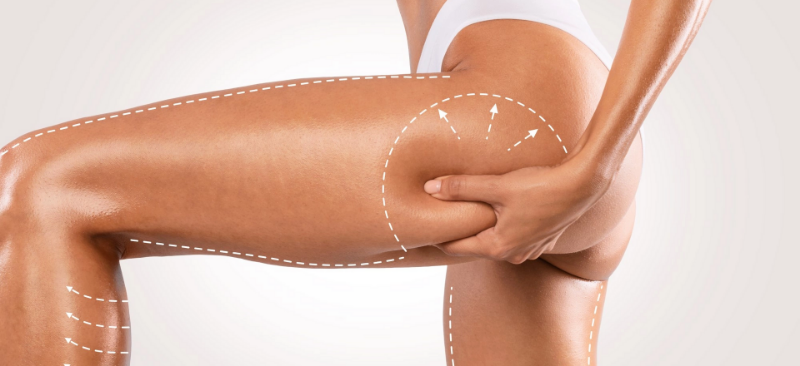
Optimizing your recovery after a Brazilian Butt Lift (BBL) Riyadh is a critical phase that directly dictates the longevity and quality of your results. Because the transferred fat requires time to establish a new blood supply, your adherence to surgical protocols during these initial weeks is non-negotiable.
The "Golden Rules" for BBL Optimization
-
The "No-Sitting" Protocol (Critical):
-
Strict Avoidance: For the first 2–4 weeks (depending on your surgeon's specific timeline), you must avoid sitting or lying directly on your buttocks at all costs. Pressure on the area can "suffocate" the newly transferred fat cells, leading to cell death (fat necrosis), which causes volume loss or asymmetry.
-
The BBL Pillow: When sitting is unavoidable (e.g., using the restroom or short meals), use a specialized BBL pillow placed under your thighs to keep your buttocks suspended in the air.
-
Sleeping: You must sleep exclusively on your stomach or sides. Pillows can be placed between your knees or under your hips for comfort, but ensure you do not roll onto your back.
-
-
Compression Garment Management:
-
Consistency: Wear your medical-grade compression garment (Faja) 24/7 for the first several weeks (typically 6–8 weeks). This minimizes post-surgical swelling, helps fluid drain, and allows the skin to adhere smoothly to your new contours.
-
Fit: It should be snug, but not so tight that it causes skin blisters or impairs breathing. Consult your surgeon if you notice extreme discomfort or irritation.
-
-
Nutrition and Hydration:
-
Hydration: Drink 8–10 glasses of water daily. Surgery causes fluid shifts, and proper hydration is essential for tissue health and reducing swelling.
-
Diet: Focus on a high-protein, nutrient-dense diet (lean meats, fish, avocados, leafy greens) to support tissue healing. Avoid high-sodium foods, which exacerbate swelling.
-
Supplements/Medications: Strictly follow your surgeon’s "no-go" list for blood-thinning supplements, including Vitamin E, fish oil, and certain herbal teas, for at least two weeks before and after surgery.
-
-
Activity and Movement:
-
Early Walking: Get up and walk gently around your home every few hours to promote circulation and prevent blood clots (DVT). Avoid long, sedentary periods.
-
Strenuous Exercise: Absolutely no strenuous lower-body exercise (squats, lunges, running) for at least 6–8 weeks. After that, ease back in only with your surgeon's explicit clearance.
-
Red Flags to Watch For
Contact your surgical team immediately if you experience:
-
Signs of Infection: Spreading redness, intense warmth at the site, persistent fever, or drainage of pus.
-
Excessive Bleeding: Saturating dressings quickly.
-
Signs of DVT: Sudden calf pain, swelling, or shortness of breath.
Tips for Long-Term Success
-
Stable Weight: The transferred fat behaves like your natural fat. Significant weight fluctuations (loss or gain) can compromise your new proportions. Maintaining a stable, healthy weight is the best way to "lock in" your results.
-
Patience: Your final shape will not be visible immediately. Swelling often persists, and the body will naturally reabsorb about 20–30% of the transferred fat. Your true, final contour will typically be visible between 3 and 6 months post-op.
Disclaimer: These guidelines are general standards. Always prioritize the specific, customized post-operative plan provided by your own board-certified surgeon in Riyadh.