English
 Arabic
 French
 Spanish
 Portuguese
 Deutsch
 Turkish
 Dutch
Dutch
 Italiano
 Russian
 Romaian
 Portuguese (Brazil)
 Greek
Greek
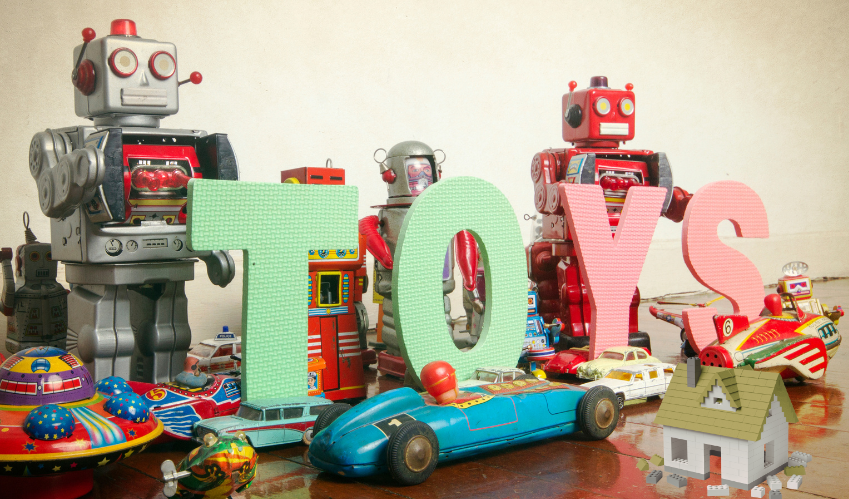
The global toy industry is more than just playit is a reflection of culture, innovation, and evolving consumer behavior. From educational kits to digital-integrated gaming experiences, toy companies are constantly adapting to changing preferences across generations. The rise of STEM-based learning, character licensing, and interactive toys has significantly reshaped the competitive landscape. Interestingly, the global toys market continues to expand steadily, supported by innovation and increasing focus on child development, making the race for the largest toy company more competitive than ever.
The global toys market size was valued at USD 112.73 Billion in 2025. Owing to the rising educational focus and innovation, the market will grow at a CAGR of 4.10% during 2026-2035, reaching nearly USD 168.48 Billion by 2035. This growth highlights how both traditional and modern toy manufacturers are capitalizing on new trends while strengthening their global footprint.
The Largest Toy Company in the World
When discussing the largest toy company globally, LEGO Group consistently ranks at the top. Based in Denmark, LEGO has transformed itself from a classic brick manufacturer into a global entertainment powerhouse. Its dominance comes from a combination of strong brand identity, continuous innovation, and successful collaborations with major franchises like Star Wars, Marvel, and Harry Potter.
LEGO’s strategy is not limited to physical toys. The company has expanded into digital gaming, movies, and theme parks, creating a full ecosystem that keeps consumers engaged across multiple platforms. This diversified approach has helped LEGO maintain its leadership position while staying relevant in a digital-first world.
Key Factors Behind LEGO’s Dominance
One of the main reasons behind LEGO’s success is its ability to innovate without losing its core identity. The brand has successfully introduced robotics kits, coding-based toys, and augmented reality experiences while still focusing on its iconic building blocks.
Another critical factor is licensing. Collaborations with blockbuster franchises have allowed LEGO to tap into global fan bases, increasing both visibility and revenue. Limited-edition sets and collector-focused products further strengthen its premium positioning in the market.
Moreover, LEGO’s sustainability initiatives are gaining attention. The company is investing heavily in eco-friendly materials and aims to produce bricks using sustainable sources, aligning with global environmental expectations.
Other Major Players in the Toy Industry
While LEGO leads the market, several other companies play a significant role in shaping the industry. Hasbro and Mattel are among the most prominent competitors, each with a strong portfolio of globally recognized brands.
Hasbro owns popular franchises such as Transformers, Nerf, and Monopoly, and has expanded into entertainment through movies and streaming content. Mattel, on the other hand, is known for iconic brands like Barbie, Hot Wheels, and Fisher-Price, and has recently gained momentum through successful media adaptations like the Barbie movie.
Japanese companies like Bandai Namco also hold a strong position, particularly in Asia, with products tied to anime and gaming culture. These companies collectively contribute to a highly competitive and diversified global toy ecosystem.
Changing Consumer Preferences
Consumer behavior in the toy industry has evolved significantly over the years. Parents are increasingly prioritizing educational value, leading to higher demand for STEM toys and skill-based products. This shift has encouraged companies to integrate learning elements into their offerings.
At the same time, digital influence is reshaping purchasing decisions. Children are exposed to toys through YouTube, social media, and gaming platforms, which directly impacts brand visibility and demand. Toy companies are now investing heavily in digital marketing and influencer collaborations to stay relevant.
Additionally, there is a growing demand for inclusive and diverse toys. Brands are expanding their product lines to represent different cultures, abilities, and lifestyles, reflecting broader societal changes.
The Role of Technology in Toy Innovation
Technology has become a defining factor in the modern toy industry. From AI-powered robots to app-connected games, innovation is driving a new wave of interactive play experiences. Companies are leveraging augmented reality (AR) and virtual reality (VR) to create immersive environments that blend physical and digital play.
LEGO, for instance, has introduced products that combine traditional building with digital storytelling, allowing users to interact with their creations in new ways. Similarly, other brands are exploring smart toys that respond to voice commands or adapt to user behavior.
This integration of technology not only enhances user engagement but also opens new revenue streams, making it a key growth driver for the industry.
Regional Market Dynamics
North America remains one of the largest markets for toys, driven by high consumer spending and strong brand presence. Europe also holds a significant share, with countries like Germany and the United Kingdom contributing to steady demand.
However, Asia Pacific is emerging as the fastest-growing region. Rising disposable incomes, expanding middle-class populations, and increasing urbanization are fueling demand for toys in countries like China and India. Local manufacturers are also gaining traction, adding to the competitive landscape.
Future Outlook of the Toy Industry
The future of the toy industry will likely be shaped by a combination of innovation, sustainability, and digital integration. Companies that can balance traditional play with modern technology will have a competitive edge.
Subscription-based toy services, personalized products, and direct-to-consumer models are expected to gain popularity. At the same time, sustainability will become a central focus, with consumers demanding eco-friendly materials and ethical production practices.
As competition intensifies, even the largest players like LEGO will need to continuously adapt to maintain their leadership. The industry is no longer just about toysit is about creating experiences that resonate with both children and adults in an increasingly connected world.
In conclusion, while LEGO currently holds the title of the largest toy company in the world, the dynamic nature of the industry ensures that competition remains strong. With evolving trends and continuous innovation, the global toy market is set to offer exciting opportunities in the years ahead.