English
 Arabic
 French
 Spanish
 Portuguese
 Deutsch
 Turkish
 Dutch
Dutch
 Italiano
 Russian
 Romaian
 Portuguese (Brazil)
 Greek
Greek
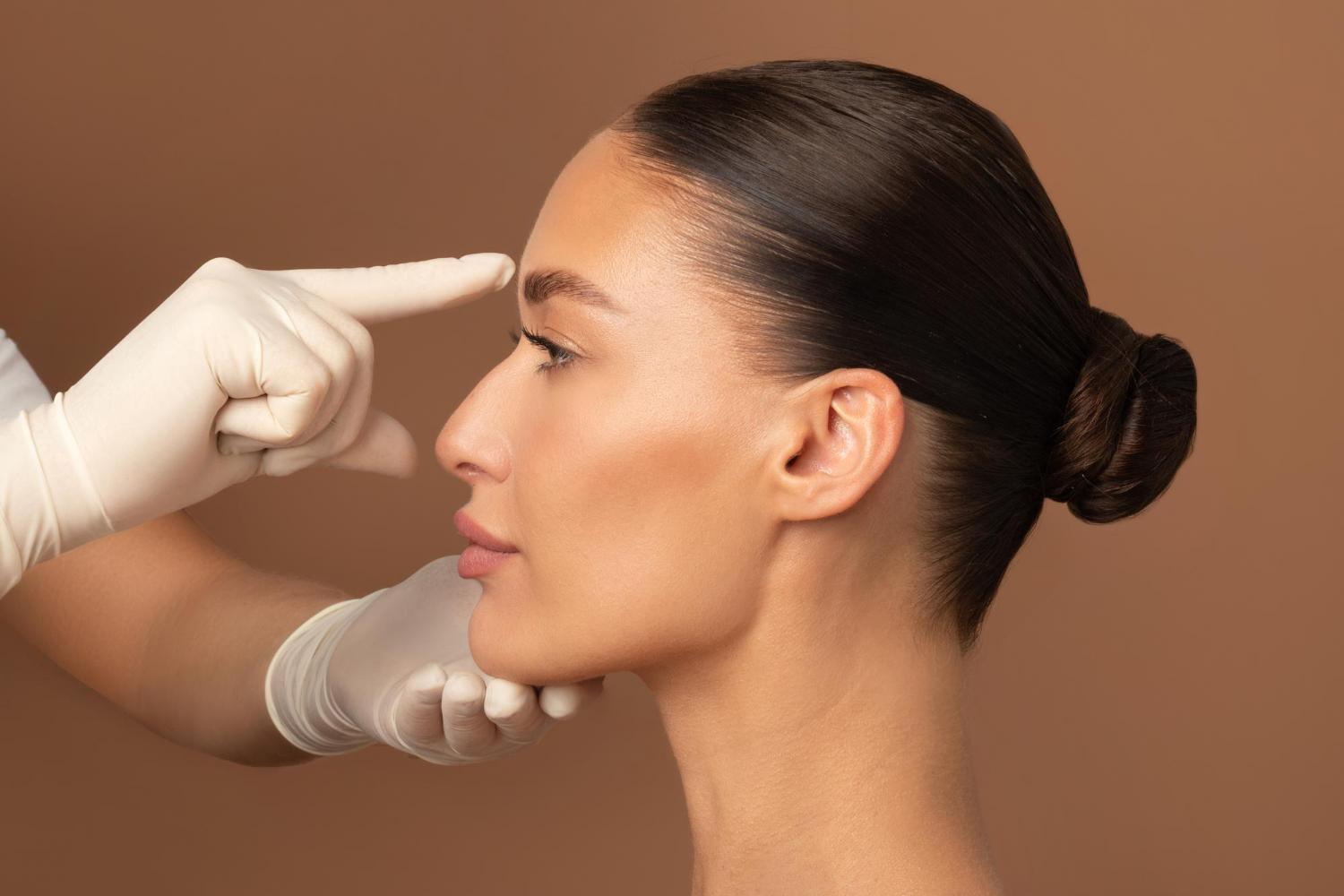
Common Myths About Silicone Nose Implants in Riyadh
While Silicone Nose Surgery Riyadh is a well-established procedure, several misconceptions persist that can cause unnecessary hesitation for potential patients. In a city where aesthetic standards are exceptionally high, distinguishing between outdated rumors and modern clinical reality is essential. Here are the most common myths debunked by current medical standards and surgical practices in the Saudi capital.
Myth 1: Silicone Implants Always Look "Fake"
Perhaps the most pervasive myth is that a silicone implant will result in an obvious, "plastic" appearance.
-
The Reality: Modern silicone rhinoplasty in Riyadh emphasizes "Quiet Luxury"—a trend focused on subtle, natural-looking enhancements.
-
The Technique: Today’s surgeons use "soft-silicone" materials that mimic the flexibility of natural cartilage. By custom-carving the implant to match the patient’s specific bone structure and placing it deep beneath the nasal tissues, the result is often indistinguishable from a natural bridge.
Myth 2: The Implant Will Eventually "Slip" or Move
Many people fear that a synthetic implant is unstable and will eventually shift out of place, leading to an asymmetrical look.
-
The Reality: While migration was a concern with older techniques, modern subperiosteal placement has significantly mitigated this risk.
-
The Science: Within the first few months, the body creates a thin, protective fibrous capsule around the silicone. This capsule acts as a natural anchor, locking the implant firmly against the nasal bone and preventing movement.
Myth 3: Silicone Implants Are Highly Prone to Infection
There is a common misconception that because silicone is a "foreign object," it will inevitably lead to chronic infections.
-
The Reality: In Riyadh’s sterile, world-class surgical facilities, infection rates are remarkably low (typically less than 1-2%).
-
Prevention: Surgeons utilize "no-touch" insertion techniques and prescribe preventative antibiotics. As long as a patient follows strict post-operative hygiene, the risk of a silicone-related infection is minimal.
Myth 4: You Can "Feel" the Implant When You Touch Your Nose
Some believe that anyone who touches their nose after surgery will immediately be able to feel a hard, synthetic edge.
-
The Reality: When an implant is sized correctly and placed deep beneath the muscle and periosteum, it is not palpable to the touch.
-
The Texture: High-density medical silicone is designed to integrate seamlessly with the nasal bridge. After the initial healing phase, the nose feels firm and structured, similar to natural bone and cartilage.
Myth 5: Silicone Surgery Is More Painful Than Other Methods
Because it involves a synthetic insert, some assume the recovery is more agonizing than traditional rhinoplasty.
-
The Reality: Silicone nose surgery is actually often less traumatic for the body than autologous (cartilage-based) surgery.
-
The Reason: Because there is no need to harvest cartilage from the ribs or ears, there is no second surgical site to heal. Most patients in Riyadh report only mild discomfort and "pressure" rather than intense pain, which is easily managed with standard medications.
Myth 6: The Results Are Not Permanent
A final myth suggests that silicone implants have an "expiration date" and must be replaced every few years.
-
The Reality: Silicone is a bio-inert material, meaning it does not degrade, shrink, or change shape over time.
-
The Lifespan: Unlike natural cartilage, which the body may partially reabsorb, a silicone implant provides a permanent structure. Unless a patient desires a change for aesthetic reasons or a rare complication occurs, the results are designed to last a lifetime.