English
 Arabic
 French
 Spanish
 Portuguese
 Deutsch
 Turkish
 Dutch
Dutch
 Italiano
 Russian
 Romaian
 Portuguese (Brazil)
 Greek
Greek
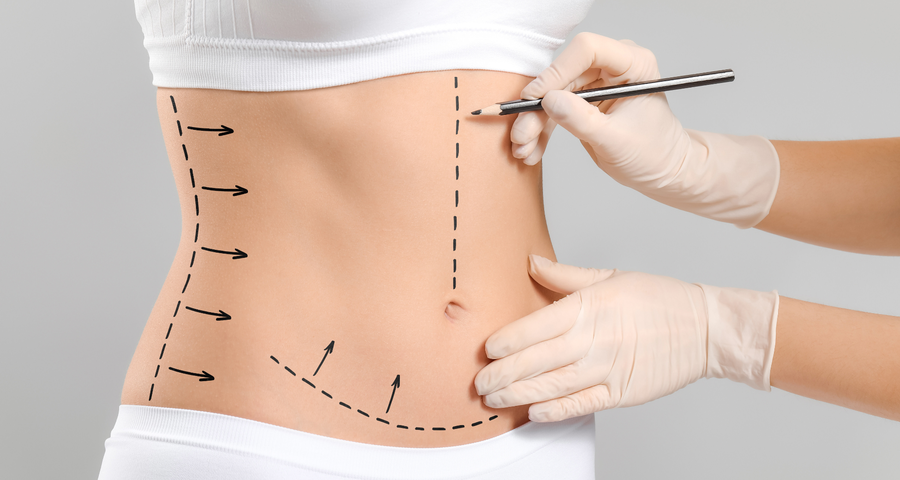
Liposuction is one of the most popular cosmetic procedures worldwide, designed to remove localized fat deposits and improve body contour. Over the decades, technological advancements and evolving techniques have led to the development of several types of liposuction, each with its unique approach, benefits, and limitations. Understanding these procedures can help individuals choose the right method based on their body type, goals, and medical considerations. Liposuction Surgery in Riyadh offers a safe and effective way to reshape your body and enhance your confidence.
1. Traditional Liposuction (Tumescent Liposuction)
Traditional liposuction, also known as tumescent liposuction, is the classic method that has been widely used since the 1980s. In this procedure, a large volume of a sterile solution containing saline, local anesthetic, and epinephrine is injected into the targeted area. This solution helps to minimize blood loss, reduce pain, and soften fat, making it easier to remove. After the solution has taken effect, the surgeon uses a thin, hollow tube called a cannula to suction out the fat through small incisions. Traditional liposuction is versatile and can treat various areas of the body, including the abdomen, thighs, arms, and back. Its main advantage lies in its proven safety and effectiveness, while the primary downside may include bruising, swelling, and a longer recovery time compared to newer techniques.
2. Ultrasound-Assisted Liposuction (UAL)
Ultrasound-assisted liposuction utilizes ultrasonic energy to liquefy fat cells before they are removed. A specialized cannula emits ultrasonic waves that break down fat, allowing for easier extraction, especially in denser or fibrous areas such as the back, male chest, and upper abdomen. This method can provide more precise contouring and often results in smoother outcomes, particularly for patients with thick tissue. However, UAL may cause temporary swelling, burns, or nerve irritation in some cases, and the procedure typically requires a skilled surgeon to avoid complications.
3. Laser-Assisted Liposuction (LAL)
Laser-assisted liposuction, also known as laser lipolysis, employs laser energy to melt fat cells, which are then suctioned or naturally eliminated by the body. Devices like SmartLipo use low-level laser energy to target fat while simultaneously stimulating collagen production, which can tighten the skin. This dual benefit makes LAL particularly attractive for patients concerned about loose or sagging skin after fat removal. The procedure is minimally invasive, usually performed under local anesthesia, and generally has a faster recovery time. Nevertheless, its fat removal capacity is more limited than traditional liposuction, making it better suited for smaller areas rather than extensive body contouring.
4. Power-Assisted Liposuction (PAL)
Power-assisted liposuction utilizes a vibrating cannula that mechanically breaks up fat cells, making them easier to remove. The vibration reduces the surgeon’s physical effort and allows for more controlled movements, which can result in more precise shaping and less trauma to surrounding tissues. PAL is especially useful for larger areas or patients who require extensive fat removal. Recovery tends to be smoother than with traditional liposuction, though some patients may still experience bruising and swelling.
5. Water-Assisted Liposuction (WAL)
Water-assisted liposuction, sometimes called water-jet or body-jet liposuction, uses a gentle, pressurized stream of saline to dislodge fat cells before suctioning. The advantage of this technique is that it is less traumatic to surrounding tissues, including nerves and blood vessels, which can lead to reduced bruising, swelling, and postoperative pain. WAL is considered safer for sensitive areas and can preserve fat cells for autologous fat transfer procedures, where the removed fat is reused for breast, buttock, or facial augmentation.
6. Injection-Assisted and Tickle Liposuction
Some newer techniques involve minimal physical trauma using a combination of fluid injection and mechanical oscillation. Tickle liposuction, for example, uses a vibrating cannula that moves in multiple directions to gently loosen fat, reducing surgeon fatigue and patient discomfort. It is often marketed for its faster recovery, reduced pain, and smoother results.
Choosing the Right Procedure
Selecting the appropriate liposuction technique depends on several factors, including the amount of fat to be removed, the area being treated, skin elasticity, and individual health considerations. Patients with tighter skin and localized fat pockets may benefit from laser or ultrasound-assisted methods that promote skin tightening, while those needing significant volume reduction may find traditional or power-assisted liposuction more effective. A consultation with a board-certified plastic surgeon is essential to evaluate goals, medical history, and the most suitable approach.
In conclusion, liposuction has evolved far beyond its traditional form, offering patients multiple options tailored to their specific needs. From tumescent liposuction to advanced laser and water-assisted techniques, each method has unique advantages and limitations. Understanding these differences allows patients to make informed decisions, ensuring safe procedures and satisfactory aesthetic outcomes. While liposuction is not a substitute for weight loss or a healthy lifestyle, it remains a powerful tool for sculpting and contouring the body.