English
 Arabic
 French
 Spanish
 Portuguese
 Deutsch
 Turkish
 Dutch
Dutch
 Italiano
 Russian
 Romaian
 Portuguese (Brazil)
 Greek
Greek
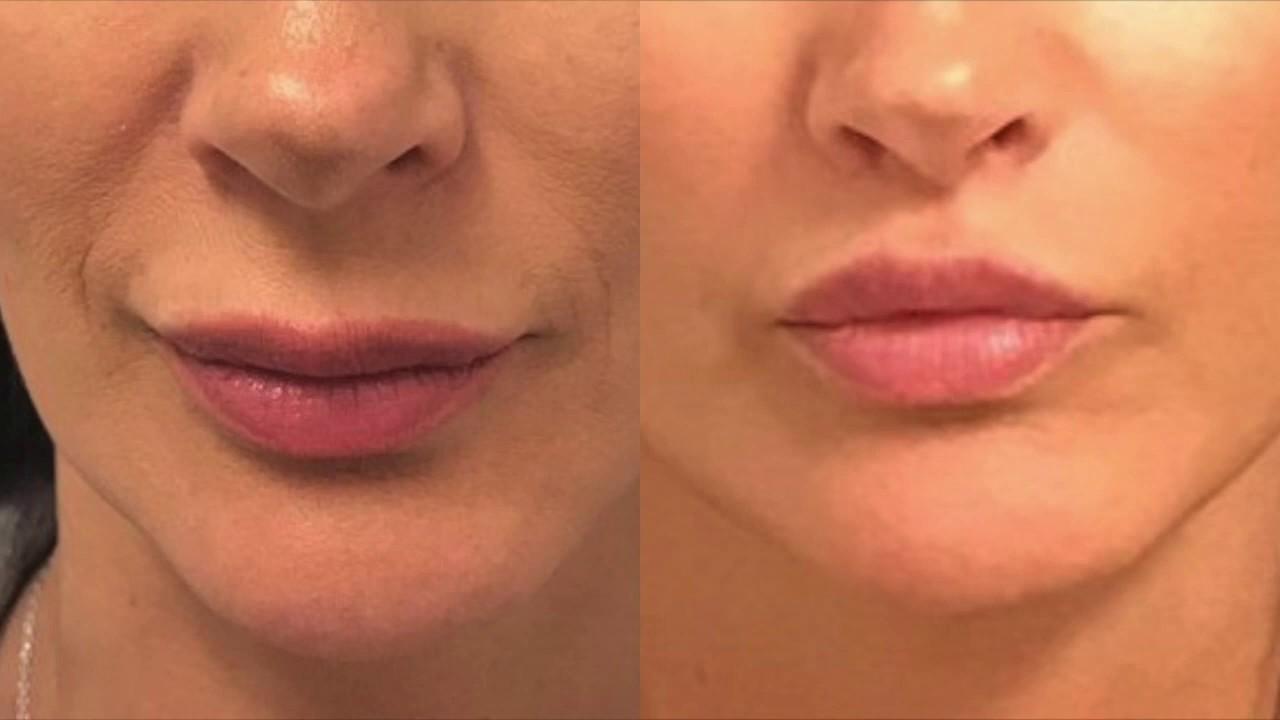
Understanding the Surgical Steps Involved in a Lip Lift
Embarking on a journey toward facial rejuvenation through Lip Lift Surgery in Riyadh begins with a clear understanding of the surgical process, which is designed to achieve refined, lasting results through meticulous precision. This procedure is a highly localized, structural intervention that focuses on the "philtrum"—the area between the base of the nose and the upper lip. As this space elongates over time, the upper lip loses its natural, youthful curl and begins to cover the teeth, creating a heavier, more mature appearance. By removing a calculated, crescent-shaped strip of skin from just beneath the nose and lifting the tissue, the surgeon resets the lip to a more elevated, defined position. This transformation is achieved through a systematic surgical approach that prioritizes natural contours, symmetrical balance, and the long-term health of the delicate facial tissues.
The Consultation and Pre-Operative Mapping
The first step in any successful surgical journey is the pre-operative planning phase. During your consultation, an expert surgeon will perform a detailed analysis of your facial proportions, specifically measuring the length of your philtrum and the thickness of your lips. This is a critical stage because the amount of skin to be removed must be precisely calibrated to your unique anatomy. The surgeon will map out the "bullhorn" or subnasal excision pattern—a shape that mirrors the natural curves of your nasal base. By marking the skin while you are in a neutral, relaxed position, the surgical team ensures that the final result will be symmetrical and that the future incision will be perfectly positioned within the natural shadows of the nose.
Anesthesia and Patient Comfort
Modern lip lift procedures are typically performed under local anesthesia, often supplemented with light sedation to ensure the patient remains completely comfortable throughout the process. Because the surgical site is relatively small, the use of local anesthesia is highly effective and allows for a quicker recovery compared to more extensive facial surgeries. The surgeon will carefully inject a numbing agent into the area beneath the nose and the upper lip, ensuring that there is no sensation during the procedure. This focus on patient comfort is a hallmark of professional aesthetic care in the capital, allowing individuals to undergo their transformation in a calm, stress-free clinical environment.
The Precise Tissue Excision
Once the area is numbed, the surgeon begins the excision process by following the pre-marked bullhorn pattern. The precision of the scalpel is paramount here; the surgeon removes the predetermined strip of skin, ensuring that the incision depth is perfectly managed. This step is where the "art" of the surgery meets science. By carefully dissecting the excess skin, the surgeon isolates the muscular and soft tissue layers that support the upper lip. This is not just a skin-removal procedure; it is a structural repositioning. The surgeon must be extremely careful to avoid damaging the nerves or blood vessels that supply the lip, ensuring that all movements are precise and intentional to protect the function and sensitivity of the mouth.
Layered Closure for Tension Management
After the tissue is removed, the most critical phase of the surgery begins: the closure. To achieve a natural result without a "pulled" or distorted look, the surgeon employs a layered closure technique. First, deep, dissolvable sutures are placed in the underlying muscle and dermal layers to secure the lip in its new, higher position. These deep stitches are essential because they take the tension off the surface of the skin, which is the secret to minimizing the final scar. Once the deep layers are secured, the skin edges are brought together with ultra-fine, external sutures. These stitches are placed with extreme delicacy to ensure that the skin margins meet perfectly, which is vital for the scar to heal as a thin, invisible line.
Protecting the Natural Anatomy and Function
Throughout the entire surgical process, the priority is to maintain the patient's natural facial function. The anatomy of the nasal base and the upper lip is dynamic; it must remain flexible enough for speaking, smiling, and breathing. The surgical technique is designed to respect these movement patterns, ensuring that the "lift" does not interfere with the natural muscle activity of the mouth. By using micro-instrumentation, the surgeon can navigate the dense tissue of the nasal base without disrupting the structural support of the nostrils. This focus on preserving anatomical integrity ensures that the result is not just aesthetically pleasing but also physically comfortable and fully functional in the long term.
Post-Operative Dressing and Immediate Recovery
Once the sutures are in place, the surgeon will typically apply a thin, protective dressing to the incision site to keep it clean and minimize exposure to the environment during the initial healing phase. This dressing also provides gentle support to the lip, which can help manage the immediate post-operative swelling. Patients are given detailed instructions on how to care for the area, including gentle cleansing and the use of prescribed ointments that promote healthy skin repair. This immediate post-operative care is a vital part of the surgical process, as it sets the stage for a smooth healing trajectory and ensures that the final result is as seamless and refined as possible.
The Journey to the Final Result
The surgical steps are only the beginning of the journey. In the days and weeks that follow, the tissues will undergo a natural process of remodeling, where the lip settles into its permanent, youthful position. While there may be some mild swelling during the first week, patients often find that the change is immediate and highly rewarding. The true beauty of this procedure is how it honors the patient’s existing facial structure while providing a precise, structural enhancement that restores balance and vibrancy. By following the surgeon’s guidance through the recovery weeks, patients ensure that their investment in their appearance culminates in a balanced, rejuvenated smile that stands the test of time.