English
 Arabic
 French
 Spanish
 Portuguese
 Deutsch
 Turkish
 Dutch
Dutch
 Italiano
 Russian
 Romaian
 Portuguese (Brazil)
 Greek
Greek
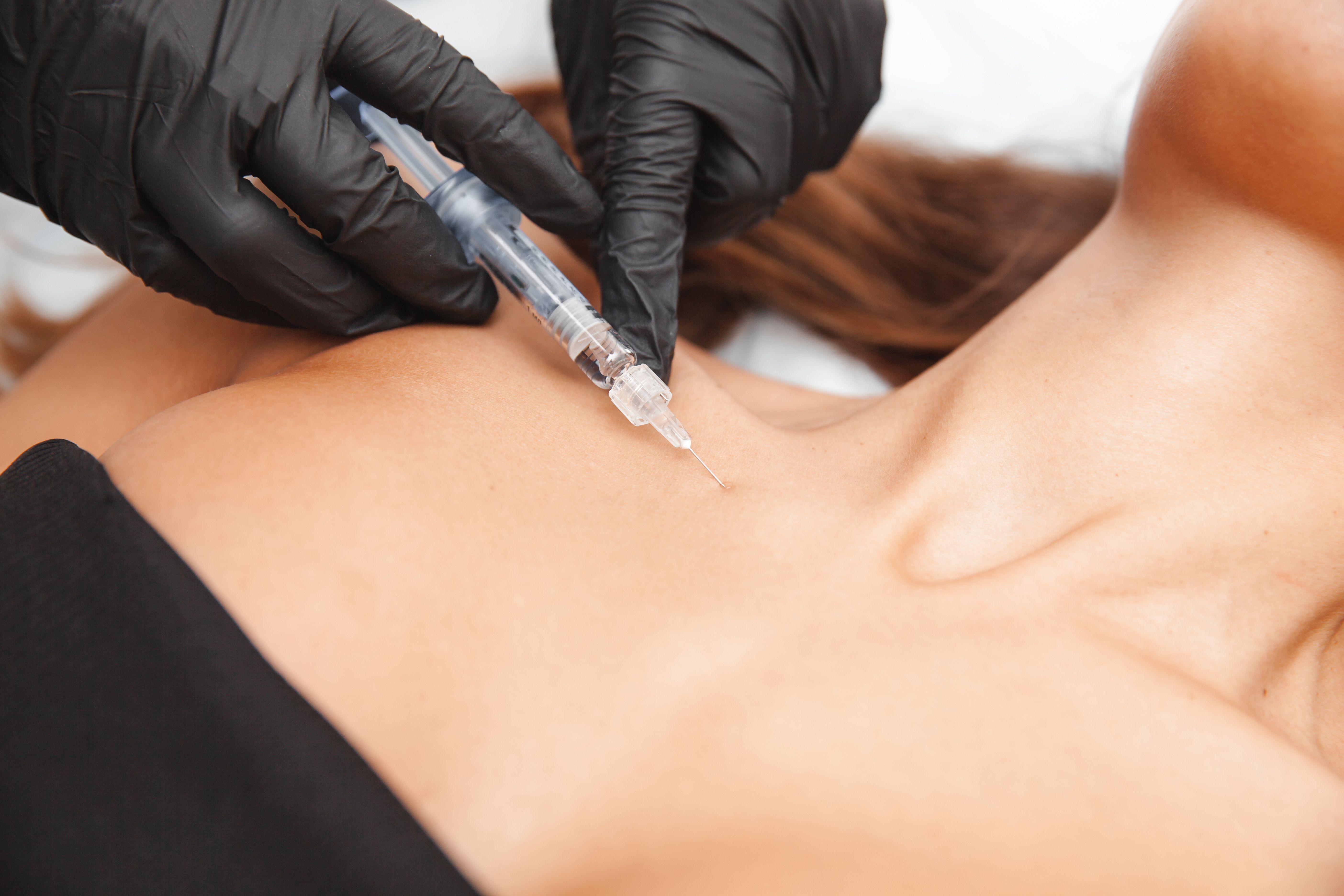
Breast filler injections are a relatively new approach in cosmetic enhancement, designed to increase breast volume or improve shape without the need for traditional surgical procedures like breast implants. These injections rely on biocompatible substances that are introduced directly into the breast tissue to create fullness. While the concept might sound similar to facial fillers, breast filler procedures are more complex due to the size, tissue composition, and sensitivity of the breast area. Many women are exploring the benefits of breast filler injections in Riyadh as a non-surgical option for enhancing their shape and volume.
The most common substances used in breast filler injections include hyaluronic acid, poly-L-lactic acid, and autologous fat. Hyaluronic acid is widely known for its use in facial aesthetics. It is a naturally occurring substance in the body that attracts water, providing volume and hydration. When injected into the breast, hyaluronic acid adds immediate fullness. Its advantage lies in its reversibility; if the results are unsatisfactory, the filler can be dissolved with an enzyme called hyaluronidase. However, the effect is temporary, usually lasting between 12 and 18 months, and repeated treatments are necessary to maintain the desired size.
Poly-L-lactic acid works differently from hyaluronic acid. Instead of providing instant volume, it stimulates the body’s collagen production over time. This gradual buildup of collagen helps create a firmer, more natural-looking enhancement. Patients may need multiple sessions spaced several weeks apart to achieve their goals. The effects last longer than hyaluronic acid, often two years or more, but they are not permanent. Poly-L-lactic acid is also more suitable for those seeking subtle enhancement rather than a dramatic increase in size.
Another option is autologous fat transfer, sometimes referred to as fat grafting. In this procedure, fat is harvested from another part of the patient’s body—commonly the abdomen, thighs, or flanks—through liposuction. The fat is then purified and re-injected into the breasts. This method has the advantage of using the patient’s own tissue, which reduces the risk of allergic reaction or rejection. It can also provide a more natural feel compared to synthetic fillers. However, not all of the injected fat survives; typically, 30–70% of the fat may be reabsorbed by the body over time, which may necessitate repeat procedures for optimal results.
The procedure itself is minimally invasive and usually performed under local anesthesia or sedation. Before injection, the practitioner marks the breast to identify areas that need volume. The filler is then carefully injected into the breast tissue using fine needles or cannulas. Depending on the desired outcome, injections can be done in multiple layers to achieve a uniform look and maintain breast contour. The process typically takes one to two hours, and patients can often resume normal activities within a few days. Swelling, bruising, and mild discomfort are common side effects, but serious complications are rare if the procedure is performed by a qualified professional.
Despite their advantages, breast filler injections come with limitations. They cannot provide the same dramatic increase in size as traditional implants, making them more suitable for women seeking modest enhancement or correcting asymmetry. Additionally, because the breast tissue is sensitive and the filler is temporary, long-term maintenance is necessary. Some risks include infection, formation of lumps, uneven texture, and migration of the filler material. It is crucial for patients to undergo thorough consultations with experienced practitioners to ensure proper technique and minimize complications.
In terms of recovery, breast filler injections are generally less invasive than surgical options, which means no large incisions, scarring, or lengthy downtime. Patients may experience mild swelling or bruising at the injection sites, but these usually resolve within a week. Most can return to work and light daily activities immediately, although strenuous exercise and heavy lifting are typically avoided for a few days to allow the filler to settle.
The appeal of breast filler injections lies in their convenience, reversibility, and natural results. They are especially attractive for those hesitant about surgery or looking to refine breast shape without committing to implants. However, it is important to have realistic expectations regarding size increase and longevity. While the results can be impressive, they are temporary, and maintaining the desired look requires periodic touch-ups. For women seeking subtle, non-surgical enhancement with minimal downtime, breast filler injections represent a promising option, but careful consideration and professional guidance are essential for safe and effective results.
In conclusion, breast filler injections work by introducing biocompatible substances into breast tissue to create volume and improve shape. Options like hyaluronic acid, poly-L-lactic acid, and autologous fat provide different results in terms of immediacy, longevity, and texture. The procedure is minimally invasive, generally safe, and reversible in some cases, but it requires ongoing maintenance and careful planning to avoid complications. For those seeking moderate enhancement or asymmetry correction without surgery, breast fillers offer a flexible, innovative alternative.