English
 Arabic
 French
 Spanish
 Portuguese
 Deutsch
 Turkish
 Dutch
Dutch
 Italiano
 Russian
 Romaian
 Portuguese (Brazil)
 Greek
Greek
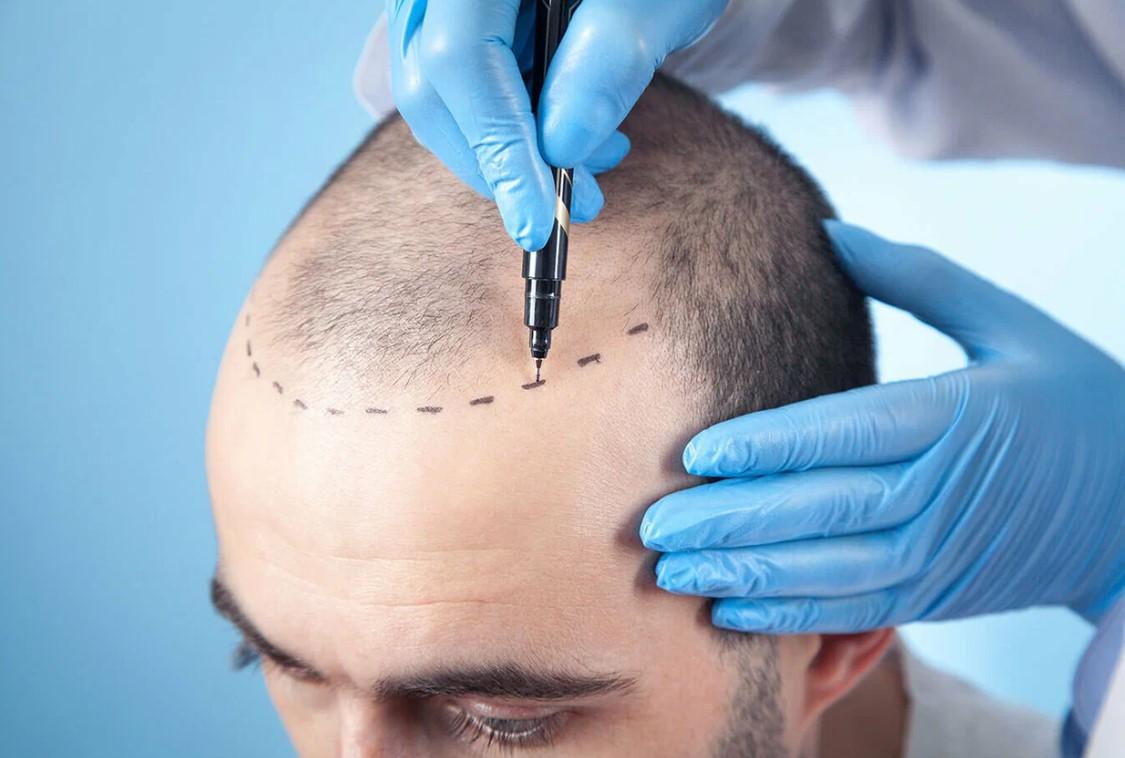
Hair loss is a common concern affecting both men and women, often leading individuals to seek solutions that restore not only hair but also confidence. One of the most effective and permanent solutions is a hair transplant, a medical procedure that involves relocating hair follicles from one part of the body, usually the back or sides of the scalp, to areas experiencing thinning or baldness. In Dammam, a major city in Saudi Arabia, hair transplant procedures have grown significantly in popularity due to advancements in medical technology, the presence of experienced specialists, and increasing awareness about aesthetic treatments. Hair transplant in Dammam has become a popular solution for individuals looking to restore hair density and regain confidence.
The hair transplant process in Dammam generally begins with a consultation. During this initial stage, the patient meets with a qualified dermatologist or hair restoration surgeon to discuss their medical history, hair loss pattern, expectations, and potential outcomes. This is also the time when the doctor assesses the quality and density of the donor hair, typically found in the occipital region of the scalp, which is more resistant to hair loss. A thorough examination is crucial to determine whether the patient is a suitable candidate for a transplant and to decide on the most appropriate technique.
There are two main techniques used for hair transplantation in Dammam: Follicular Unit Extraction (FUE) and Follicular Unit Transplantation (FUT). FUE involves extracting individual hair follicles from the donor area using a small, circular punch tool and then implanting them into the balding area. This method is minimally invasive, leaves tiny dot-like scars that are almost invisible, and generally offers a quicker recovery. On the other hand, FUT, sometimes referred to as the strip method, involves removing a thin strip of scalp from the donor area. The strip is then dissected into individual follicular units and implanted in the recipient area. FUT can be advantageous for patients needing larger areas of coverage because it allows harvesting more grafts in a single session, although it typically leaves a linear scar on the donor site.
Once the method is chosen, the procedure itself is usually performed under local anesthesia to ensure comfort. The surgeon carefully extracts the hair follicles, prepares them, and implants them into tiny incisions in the recipient area. The angle, direction, and density of the transplanted hair are meticulously planned to achieve a natural-looking hairline and uniform coverage. The duration of a hair transplant can vary depending on the size of the area being treated and the number of grafts needed, but sessions often range from four to eight hours.
After the procedure, post-operative care is critical to the success of the transplant. Patients are advised to follow a strict regimen that may include gentle washing, avoiding strenuous activities, and taking prescribed medications to prevent infection and promote healing. Swelling, redness, and mild discomfort are common in the first few days but generally subside quickly. It is important to understand that transplanted hair may initially shed within the first few weeks—a normal part of the process called “shock loss.” New hair growth typically begins within three to four months, with noticeable results appearing around six months and full growth achieved by one year.
Dammam has seen a rise in specialized clinics and centers equipped with state-of-the-art technology for hair restoration. Many clinics employ experienced surgeons who have trained internationally and maintain high standards of hygiene and patient care. The city’s growing reputation for cosmetic procedures has also encouraged competitive pricing, allowing patients to access high-quality treatments at reasonable costs. Patients considering hair transplant procedures in Dammam should conduct thorough research, read reviews, and seek consultations from multiple clinics to ensure they choose a reputable facility and experienced surgeon.
In addition to surgical options, hair transplant centers in Dammam often provide complementary treatments to enhance results. These may include platelet-rich plasma (PRP) therapy, which involves injecting concentrated growth factors from the patient’s blood into the scalp to stimulate hair growth and improve the survival of transplanted follicles. Clinics may also recommend topical treatments or nutritional supplements to support hair health and longevity.
In conclusion, hair transplant procedures in Dammam offer a safe, effective, and permanent solution for individuals experiencing hair loss. With the availability of advanced techniques like FUE and FUT, coupled with skilled medical professionals and comprehensive aftercare, patients can achieve natural-looking results and regain confidence. Careful planning, realistic expectations, and adherence to post-operative guidance are key to ensuring successful outcomes. As awareness and demand for aesthetic procedures continue to grow in Dammam, hair restoration remains a highly sought-after solution for those seeking to restore both hair and self-esteem.