English
 Arabic
 French
 Spanish
 Portuguese
 Deutsch
 Turkish
 Dutch
Dutch
 Italiano
 Russian
 Romaian
 Portuguese (Brazil)
 Greek
Greek
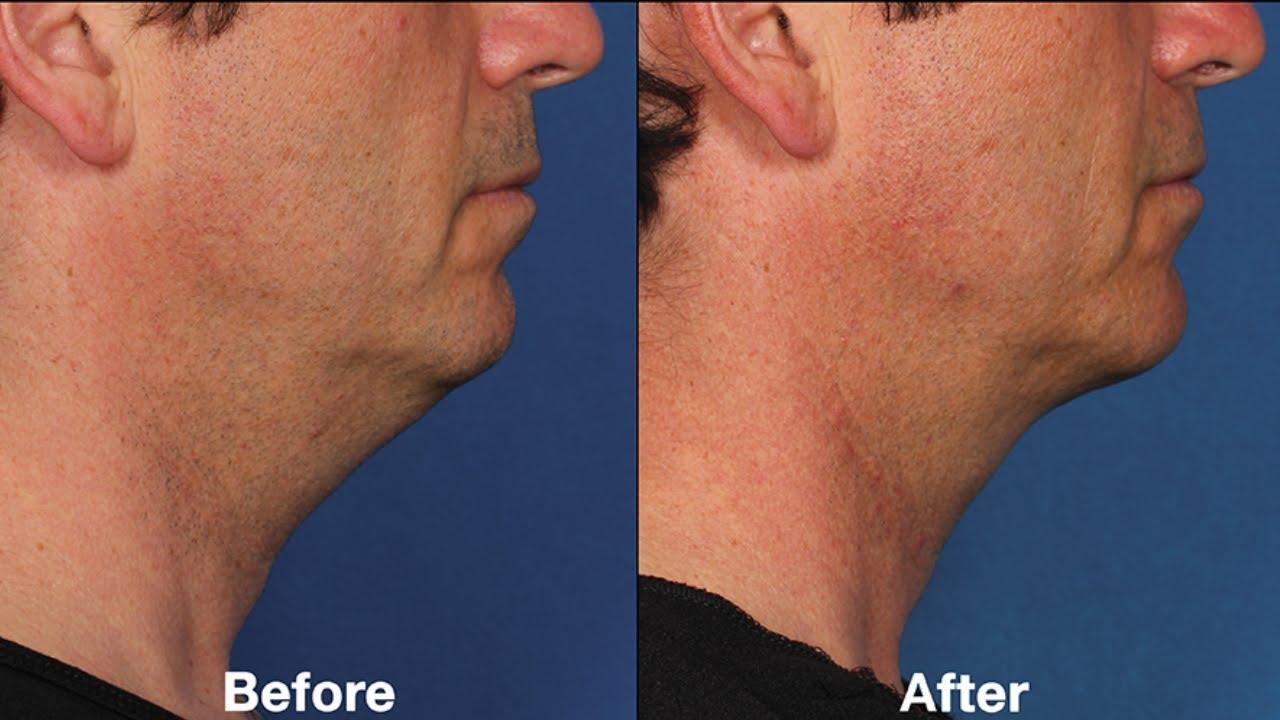
Managing Post-Operative Swelling After Chin Reduction
Undergoing Chin Reduction in Riyadh is a significant step toward achieving facial harmony, but like any surgical procedure involving the jaw and lower face, it naturally triggers an inflammatory response. Swelling, or edema, is the body’s way of beginning the healing process, and while it is expected, it can also be the most visible and temporary challenge during your recovery. Understanding why this swelling occurs in the lower face and how to manage it effectively is essential for both your physical comfort and your peace of mind. By mastering a few key post-operative habits, you can support your body's natural healing rhythm, minimize discomfort, and help your refined profile emerge as quickly as possible.
Why the Lower Face Reacts to Surgery
The lower third of the face, particularly the area surrounding the chin and the mandible, is a highly vascular region. This means it has an extensive network of blood vessels that bring oxygen and nutrients to the tissues to facilitate repair after a surgical bone cut (osteotomy). Because this area is so rich in blood flow, any trauma—even the controlled trauma of a precise surgical procedure—causes fluid to accumulate in the spaces between your cells. This accumulation is what we perceive as swelling.
Furthermore, gravity plays a significant role. Because the head is frequently in an upright position during the day, fluid naturally pools in the lowest point of the face—the chin and jawline. Unlike other areas of the body that might benefit from active muscle movement to help drain fluid, the lower face remains relatively still after surgery, which can cause the swelling to linger. It is important to remember that this inflammatory process is not a sign of a complication; rather, it is a sign that your body is actively working to stabilize the surgical site and repair the bone and soft tissue. Knowing this context helps transform the experience from one of worry into one of managed recovery.
Proven Strategies for Controlling Inflammation
The most effective tools for managing post-operative swelling are simple, consistent, and highly impactful when followed correctly. The primary defense against edema is elevation. For the first several days after your procedure, you should sleep with your head propped up on two or three pillows, keeping it above the level of your heart. This simple change uses gravity to discourage fluid from pooling in the chin and jaw area, helping the lymphatic system drain more efficiently. Many patients find that using a recliner chair for the first few nights is even more comfortable, as it maintains a stable, upright angle that minimizes fluid buildup.
Cold therapy is your second major ally. Applying cold packs or ice wrapped in a thin towel to the chin area for short, frequent intervals—typically 15 to 20 minutes at a time—helps constrict the local blood vessels and reduces the volume of fluid leaking into the tissues. It is vital to avoid placing ice directly on the skin to prevent irritation and to ensure you are not applying too much pressure to the surgical site. Additionally, adhering to the compression garments prescribed by your surgical team is non-negotiable. These specialized wraps provide the necessary external pressure to support the tissues as they adapt to the new, smaller chin bone, significantly reducing the "empty space" where fluid can collect.
Managing Expectations Through the Healing Timeline
Managing swelling is a marathon, not a sprint. The first 48 to 72 hours post-surgery are typically when swelling reaches its peak, as the body’s inflammatory response is at its most active. During this window, you might feel that the reduction isn't "visible" because the tissues are so puffy. This is completely normal and expected. By the end of the first week, the most significant, deep-seated swelling will begin to subside, and the bruising will start to fade. However, it is a mistake to believe that all swelling disappears in a week.
In the lower face, a "residual" or subtle swelling can often persist for several months. While this is not noticeable to others in your daily life, you may feel it as a slight firmness or a lack of definition in your jawline when you touch the area. This is simply the final stage of your body’s tissue settling and refining. Maintaining a low-sodium diet and staying well-hydrated are excellent ways to support your body during this final stage, as excess salt can cause the tissues to retain fluid. By remaining patient and consistent with your aftercare routine, you allow your body the necessary time to complete the healing process. When the final, residual fluid finally clears, you will be rewarded with the sharp, contoured, and balanced profile you envisioned, proving that the temporary inconvenience of swelling is well worth the permanent aesthetic improvement.