 English
 Arabic
 French
 Spanish
 Portuguese
 Deutsch
 Turkish
 Dutch
Dutch
 Italiano
 Russian
 Romaian
 Portuguese (Brazil)
 Greek
Greek
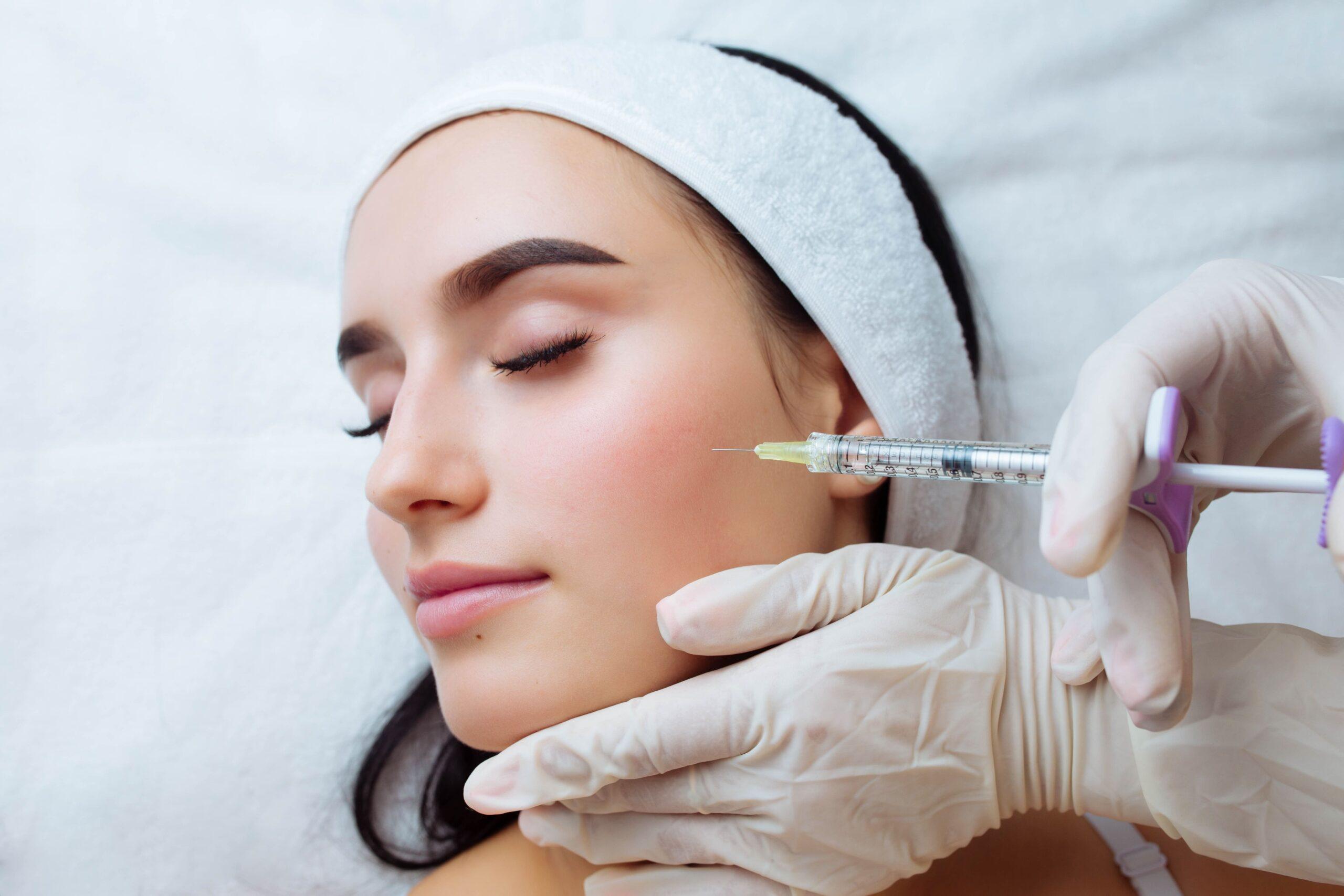
The Evolution of Cheek Augmentation Techniques in Modern Aesthetics
The field of Cheek Augmentation in Riyadh has undergone a remarkable transformation over the past decade, shifting from a "one-size-fits-all" approach to a highly sophisticated discipline rooted in precision, anatomy, and patient-specific artistry. Modern aesthetic medicine no longer views the cheek simply as a site for volume replacement; instead, it is now understood as the fundamental anchor of the entire facial architecture. This evolution reflects a broader movement in global aesthetics toward natural-looking results, where the goal is not to change a patient’s appearance, but to restore the structural support that defines their most youthful and balanced self.
From "Filling" to "Restructuring"
Historically, the primary objective of mid-face rejuvenation was to fill in lines, such as nasolabial folds, or to treat localized hollowness. This often resulted in "overfilled" or "pillowy" looks that lacked natural definition. Today, the focus has shifted entirely to structural restoration.
Practitioners now employ advanced techniques that focus on the malar and submalar anatomy, understanding that the cheekbone serves as a bridge for the skin of the lower face. By restoring volume deep near the bone—mimicking the structural support of a youthful skeleton—the entire mid-face is lifted. This approach naturally smooths out shadows and creates a more defined, chiseled appearance, proving that "less is often more" when the volume is placed in the precise, anatomically correct location.
The Rise of Precision Injectables
The evolution of injectable products has been just as significant as the techniques used to apply them. Hyaluronic acid (HA) fillers are now manufactured with varying degrees of "G-prime" (the firmness or lifting capacity of the gel).
-
Layering Protocols: Modern practitioners utilize a layered approach, placing thicker, robust fillers deep against the bone for structural lift, while using finer, more cohesive gels closer to the surface to refine the transition between tissues.
-
Cannula vs. Needle: The move toward using blunt-tip cannulas instead of sharp needles for many procedures has improved both safety and patient comfort. Cannulas allow for a more fanning, smooth deposition of the product, reducing the risk of bruising and allowing for a more even, natural-looking contour.
Integration of Regenerative Technologies
The most exciting evolution in modern aesthetics is the integration of regenerative medicine into cheek contouring. We are moving beyond temporary volumizing agents toward treatments that actively improve the quality of the underlying tissue.
-
Biostimulation: Products that stimulate the body to produce its own collagen—creating a more resilient, self-sustaining foundation—are increasingly used alongside traditional fillers.
-
Energy-Based Synergy: It is now common to combine volume-restoration treatments with energy-based skin-tightening technologies, such as radiofrequency or ultrasound, in a single treatment plan. This dual-pronged approach addresses both the loss of structural bone/fat and the loss of skin elasticity simultaneously, providing a more comprehensive "lift."
Digital Planning and 3D Visualization
Perhaps the most transformative technological advancement is the use of digital imaging. Before a single product is injected, patients can now view 3D simulations of their facial structure. This allows both the patient and the professional to visualize the aesthetic goal, discuss the specific areas of correction, and set realistic expectations. This digital planning process minimizes the guesswork, ensuring that the final outcome aligns perfectly with the patient’s vision and individual facial anatomy.
Personalized, Staged Aesthetics
The modern aesthetic journey is characterized by "staged" treatments rather than one-time, dramatic transformations. By planning a series of subtle enhancements over several months, practitioners can observe how the patient’s tissues respond and make refined adjustments at each step. This process creates a look that evolves naturally and maintains the patient’s unique expressions.
The evolution of cheek augmentation is ultimately a success story of science meeting art. By combining a deep understanding of facial anatomy, cutting-edge material science, and personalized treatment plans, aesthetic medicine has made it possible to achieve a refreshed, radiant, and structurally sound profile that feels entirely authentic.
