English
 Arabic
 French
 Spanish
 Portuguese
 Deutsch
 Turkish
 Dutch
Dutch
 Italiano
 Russian
 Romaian
 Portuguese (Brazil)
 Greek
Greek
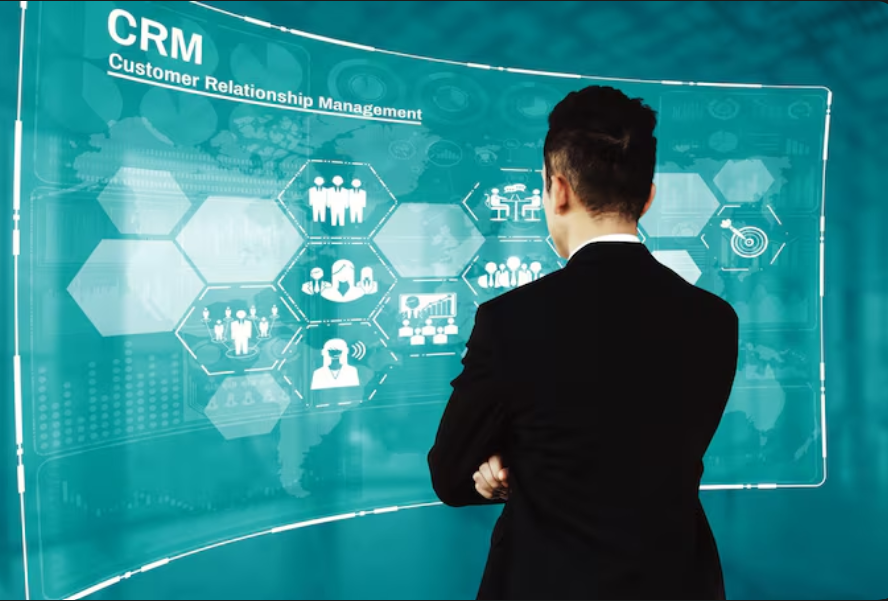
AI-Powered CRM for Small Businesses and Customer Experience Insights
Many small businesses struggle with the same problem. Leads arrive from several channels, follow-up is inconsistent, and valuable customers disappear before making a purchase. Owners often believe they need more staff or a bigger marketing budget. In reality, the issue is usually poor customer management.
An AI-powered CRM for small Businesses helps solve this problem by organizing customer data, automating routine tasks, and identifying the next best action in the customer journey. Instead of reacting after a lead goes cold, small businesses can respond earlier and more accurately.
AI is changing how customer relationships are managed. It is no longer limited to large enterprises with complex systems. Small businesses now use AI-driven CRM for small enterprises to improve customer experience, reduce manual work, and make better decisions throughout the customer lifecycle.
What Is an AI-Powered CRM for Small Businesses?
An AI-powered CRM for small businesses is a customer relationship management system that uses artificial intelligence to analyze customer data, automate repetitive tasks, and recommend actions that improve sales and service.
Unlike a traditional CRM, which mainly stores contact details and notes, an AI CRM can:
-
Score leads automatically
-
Predict which prospects are likely to convert
-
Send follow-up messages at the right time
-
Detect customer behavior patterns
-
Suggest the next step for sales or support teams
This matters because small businesses often have limited time and staff. AI reduces the amount of manual tracking and gives teams clearer priorities.
How AI Improves the Customer Lifecycle
The customer lifecycle includes every stage of the relationship, from the first inquiry to long-term loyalty. AI makes each stage more efficient and more personal.
Lead Capture
AI-enabled CRM tools collect leads from websites, forms, social media, chatbots, and phone calls. Instead of entering information manually, the system captures and stores it automatically.
For example, a local service business may receive inquiries from its website and social media pages. An AI CRM can place all inquiries in one dashboard and remove duplicate entries.
Lead Qualification
Not every lead is equally valuable. AI reviews past behavior and compares it with previous successful customers. Then it ranks new leads based on the likelihood of conversion.
A small business can then focus on high-priority leads first instead of spending time on every contact equally.
Follow-Up and Nurturing
One of the biggest reasons leads are lost is delayed communication. AI automation can send follow-up messages based on customer actions.
Examples include:
-
Sending a welcome email after form submission
-
Scheduling a reminder if no response arrives after three days
-
Offering useful information when a customer views a product page several times
Platforms such as LEADSORBIT use this approach to capture, convert, and retain leads through automated customer communication. In practice, the value comes from reducing delays and maintaining consistent follow-up.
Retention and Loyalty
Customer experience does not end after the first sale. AI-powered CRM for small businesses can identify warning signs that a customer may stop buying.
For example, the system may detect that a regular customer has not returned in several months. It can then suggest a follow-up call or send a personalized message.
This proactive approach improves retention because the business responds before the relationship weakens.
Key Features to Look for in AI-Driven CRM for Small Enterprises
Not every CRM platform offers the same level of AI functionality. Small businesses should focus on practical features that solve real problems.
Automated Lead Scoring
Lead scoring assigns a value to each lead. AI does this automatically based on behavior, demographics, and previous sales data.
This helps sales teams prioritize their efforts and avoid wasting time on low-interest prospects.
Workflow Automation
Workflow automation reduces repetitive tasks. Common examples include:
-
Assigning new leads to the right team member
-
Sending appointment reminders
-
Updating customer records automatically
-
Creating follow-up tasks after a conversation
Automation improves consistency and lowers the chance of human error.
Predictive Insights
Predictive tools use past customer behavior to forecast future outcomes. A CRM may predict which customers are most likely to buy again, which leads are likely to convert, or which accounts are at risk of leaving.
These insights help small businesses make better decisions with limited resources.
Customer Segmentation
AI can divide customers into groups based on behavior, preferences, purchase history, or engagement level. This allows businesses to send more relevant messages.
For example, a retail business may create separate groups for first-time buyers, repeat customers, and inactive customers. Each group receives a different communication strategy.
Common Mistakes Small Businesses Make With AI CRM
Many businesses invest in CRM software but fail to see results. Usually, the issue is not the technology itself. It is how the system is used.
Expecting Instant Results
AI needs time and data to work well. Businesses often expect major improvements within a few days. In reality, the system becomes more accurate as more customer interactions are recorded.
Automating Too Much
Automation is useful, but too much can make communication feel impersonal. Customers still want human interaction, especially when dealing with complaints or complex questions.
The best Solutions combine automation with real conversations.
Ignoring Data Quality
An AI-driven CRM for small enterprises is only as good as the data inside it. Incomplete records, duplicate contacts, and outdated information reduce accuracy.
Businesses should regularly clean and update their customer data.
Industries That Benefit Most From AI CRM
Almost every Industry can benefit from AI-enabled CRM, but some see faster results because they manage a high volume of customer interactions.
Industries that often use AI CRM successfully include:
-
Real estate
-
Healthcare clinics
-
Retail stores
-
Home services
-
Legal practices
-
Marketing agencies
-
Education and training businesses
For example, a real estate business can use automation to follow up with property inquiries, while a healthcare clinic can send appointment reminders and satisfaction surveys.
The specific Solutions may vary by industry, but the goal remains the same: improve customer experience while reducing manual work.
The Future of AI-Powered CRM for Small Businesses
AI CRM systems are becoming more advanced and easier to use. Future tools will likely include stronger voice support, more accurate predictions, and deeper personalization.
Small businesses will also gain better insights into customer behavior without needing technical expertise. Instead of searching through reports manually, they will receive recommendations directly from the CRM.
The most important shift is that customer experience will become more proactive. Businesses will not simply react when customers leave or lose interest. They will recognize those signals earlier and respond before the problem grows.
FAQs
What is the difference between a traditional CRM and an AI-powered CRM for small businesses?
A traditional CRM mainly stores customer records, notes, and sales activity. An AI-powered CRM for small businesses goes further by analyzing data, predicting customer behavior, and automating tasks. It can score leads, suggest follow-up actions, and improve communication across the customer lifecycle. This helps small businesses save time and make better decisions.
How does AI CRM help small businesses improve customer experience?
AI CRM improves customer experience by making communication faster, more relevant, and more consistent. The system can send timely follow-ups, identify customer preferences, and track satisfaction over time. Customers receive answers and support sooner, which increases trust and reduces frustration. Better customer experience often leads to stronger retention and repeat business.
Is AI-driven CRM for small enterprises expensive?
Costs vary depending on features and business size. Many modern CRM solutions now offer affordable plans designed for small enterprises. Businesses often save money because automation reduces manual work and improves efficiency. The long-term value usually comes from better lead conversion, stronger customer retention, and less time spent on repetitive tasks.
Can AI-powered CRM for small businesses work without a sales team?
Yes. Small businesses without a dedicated sales team can still benefit from AI CRM. Owners or small teams can use automation to manage inquiries, send follow-ups, and organize customer information. This is especially useful for service businesses, consultants, and local companies where one person handles both sales and customer support.
What types of businesses benefit most from AI CRM for small business management?
Businesses with many customer inquiries or repeat interactions often benefit the most. This includes retail, healthcare, home services, real estate, and professional services. AI CRM for small business management is especially useful when leads come from several channels and the business needs a simple way to track and respond to them.
How long does it take to see results from an AI CRM?
Most businesses begin to notice improvements within a few weeks, especially in lead organization and response time. However, stronger predictive insights take longer because the AI needs enough customer data to learn patterns. Results improve gradually as the CRM gathers more information about customer behavior and engagement.
Can AI CRM replace human customer service?
No. AI CRM supports human customer service rather than replacing it. Automation handles repetitive tasks and simple follow-ups, while employees manage complex conversations and personal issues. The best approach combines AI efficiency with human judgment. Customers usually appreciate fast service, but they still want personal attention when needed.