English
 Arabic
 French
 Spanish
 Portuguese
 Deutsch
 Turkish
 Dutch
Dutch
 Italiano
 Russian
 Romaian
 Portuguese (Brazil)
 Greek
Greek
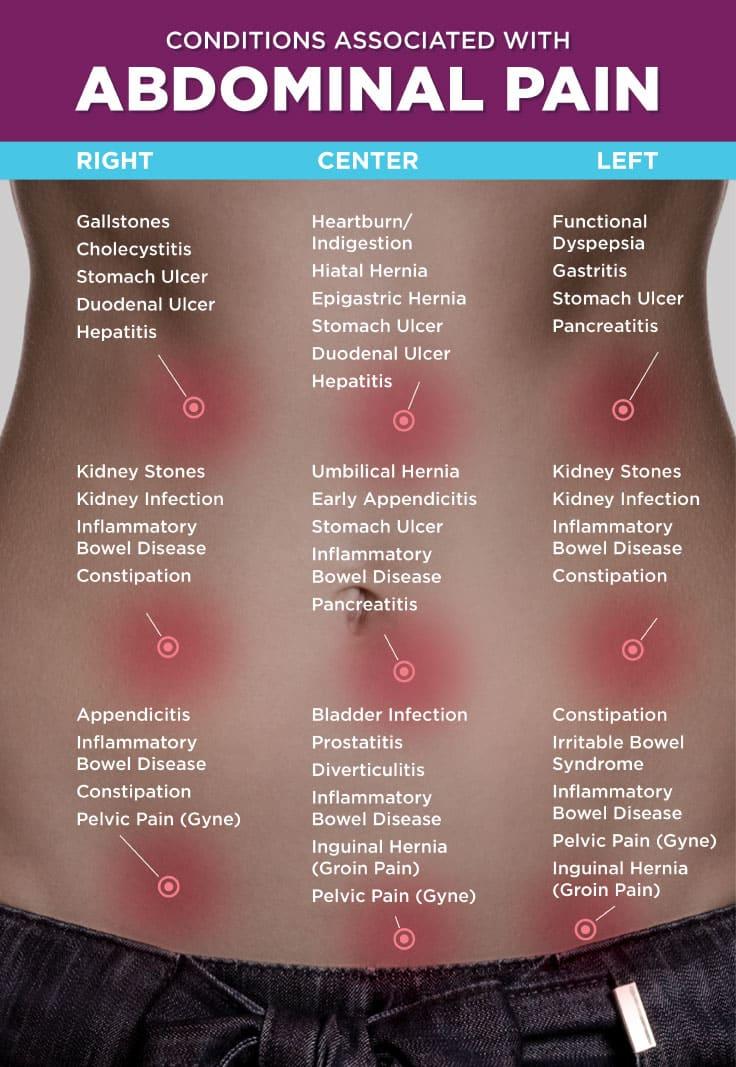
Abdominal pain is one of the most common health complaints experienced by people of all ages. It can range from mild discomfort to severe, debilitating pain, and its causes vary widely from harmless digestive issues to serious medical conditions. Understanding the main causes of abdominal pain is essential for identifying when it is something minor and when it may require medical attention.
1. Digestive issues
The most frequent causes of abdominal pain are related to the digestive system. These include conditions that affect how food is processed and moved through the gastrointestinal tract.
Indigestion (Dyspepsia)
Indigestion is a common cause of upper abdominal discomfort. It often occurs after eating and may be accompanied by bloating, nausea, and a burning sensation. Overeating, spicy foods, fatty meals, and stress can all trigger indigestion.
Gas and Bloating
Gas buildup in the intestines can cause sharp or cramp-like pain. This usually results from swallowing air, eating gas-producing foods (like beans and cabbage), or digestive inefficiencies. While uncomfortable, gas-related pain is generally harmless.
Constipation
Constipation occurs when bowel movements become infrequent or difficult. It can lead to lower abdominal pain, bloating, and a feeling of fullness. Poor diet, dehydration, and lack of physical activity are common contributors.
Diarrhea
Frequent loose stools can cause cramping and abdominal discomfort. Diarrhea is often caused by infections, food intolerance, or medications.
2. Infections
Infections in the digestive tract can lead to significant abdominal pain.
Gastroenteritis
Often referred to as the “stomach flu,” gastroenteritis is caused by viral, bacterial, or parasitic infections. Symptoms include diarrhea, vomiting, fever, and abdominal cramps.
Parasitic Infections
Intestinal parasites such as worms can cause abdominal pain, especially in regions where sanitation may be compromised. In such cases, medications like mebendazole 500mg are commonly prescribed to eliminate parasitic worms from the body. This treatment is effective against infections such as roundworms, hookworms, and whipworms.
Urinary Tract Infections (UTIs)
Though primarily affecting the urinary system, UTIs can cause lower abdominal pain, particularly in women. The pain is often accompanied by a burning sensation during urination and frequent urges to urinate.
3. Inflammatory Conditions
Certain conditions involve inflammation of abdominal organs and can cause persistent or severe pain.
Appendicitis
Appendicitis is a medical emergency. It begins as pain near the navel and gradually shifts to the lower right abdomen. The pain intensifies over time and may be accompanied by fever, nausea, and loss of appetite.
Gastritis
Gastritis is the inflammation of the stomach lining. It can result from excessive alcohol consumption, prolonged use of painkillers, or bacterial infection. Symptoms include upper abdominal pain, nausea, and vomiting.
Pancreatitis
Inflammation of the pancreas causes severe upper abdominal pain that may radiate to the back. It is often associated with alcohol use or gallstones.
4. Gallbladder and Liver Problems
The liver and gallbladder play vital roles in digestion, and issues with these organs can cause abdominal pain.
Gallstones
Gallstones are hardened deposits in the gallbladder. They can block bile ducts and cause intense pain in the upper right abdomen, especially after eating fatty foods.
Hepatitis
Hepatitis refers to inflammation of the liver, often caused by viral infections. It can lead to abdominal pain, fatigue, jaundice (yellowing of the skin), and loss of appetite.
5. Reproductive System Causes
In women, abdominal pain can also originate from reproductive organs.
Menstrual Cramps
Pain during menstruation is common and usually felt in the lower abdomen. It may range from mild to severe and can be accompanied by back pain and nausea.
Ovarian Cysts
Fluid-filled sacs on the ovaries can cause sharp or dull pain, depending on their size and whether they rupture.
Ectopic Pregnancy
This is a serious condition where a fertilized egg implants outside the uterus, often in a fallopian tube. It causes severe abdominal pain and requires immediate medical attention.
6. Kidney-Related Causes
The kidneys can also be a source of abdominal or flank pain.
Kidney Stones
Kidney stones cause intense pain that typically starts in the back or side and radiates to the lower abdomen. The pain comes in waves and may be accompanied by nausea and blood in the urine.
Kidney Infection
Also known as pyelonephritis, this condition causes upper abdominal or back pain, fever, and urinary symptoms.
7. Food Intolerances and Allergies
Certain individuals may experience abdominal pain after consuming specific foods.
Lactose Intolerance
People who are lactose intolerant cannot properly digest lactose found in dairy products. This leads to bloating, cramps, and diarrhea.
Gluten Sensitivity or Celiac Disease
Consuming gluten can trigger abdominal pain, bloating, and diarrhea in affected individuals.
8. Irritable Bowel Syndrome (IBS)
IBS is a chronic condition that affects the large intestine. It causes recurring abdominal pain along with changes in bowel habits either constipation, diarrhea, or both. Stress and certain foods often trigger symptoms.
9. Muscle Strain or Injury
Sometimes abdominal pain is not related to internal organs at all. Strained abdominal muscles from exercise, heavy lifting, or sudden movements can cause localized pain that worsens with movement.
10. Serious Medical Conditions
In some cases, abdominal pain may indicate a more serious underlying issue.
Cancer
Though less common, cancers of the stomach, liver, pancreas, or intestines can cause persistent abdominal pain along with weight loss and fatigue.
Intestinal Obstruction
A blockage in the intestines can prevent food and fluids from passing through. This leads to severe pain, vomiting, and inability to pass stool or gas.
When to Seek Medical Attention
While many causes of abdominal pain are mild and resolve on their own, certain symptoms require immediate medical care:
- Severe or worsening pain
- Pain accompanied by high fever
- Persistent vomiting
- Blood in stool or vomit
- Difficulty breathing
- Sudden sharp pain
Conclusion
Abdominal pain can arise from a wide range of causes, from simple digestive discomfort to serious medical emergencies. Identifying the nature, location, and associated symptoms of the pain is key to understanding its cause. While minor issues like gas or indigestion can often be managed at home, persistent or severe pain should never be ignored. In cases involving parasitic infections, treatments such as mebendazole 500mg can be highly effective, but they should always be used under medical supervision.
A proper diagnosis, combined with timely treatment, ensures that underlying issues are addressed before they become more serious.