 English
 Arabic
 French
 Spanish
 Portuguese
 Deutsch
 Turkish
 Dutch
Dutch
 Italiano
 Russian
 Romaian
 Portuguese (Brazil)
 Greek
Greek
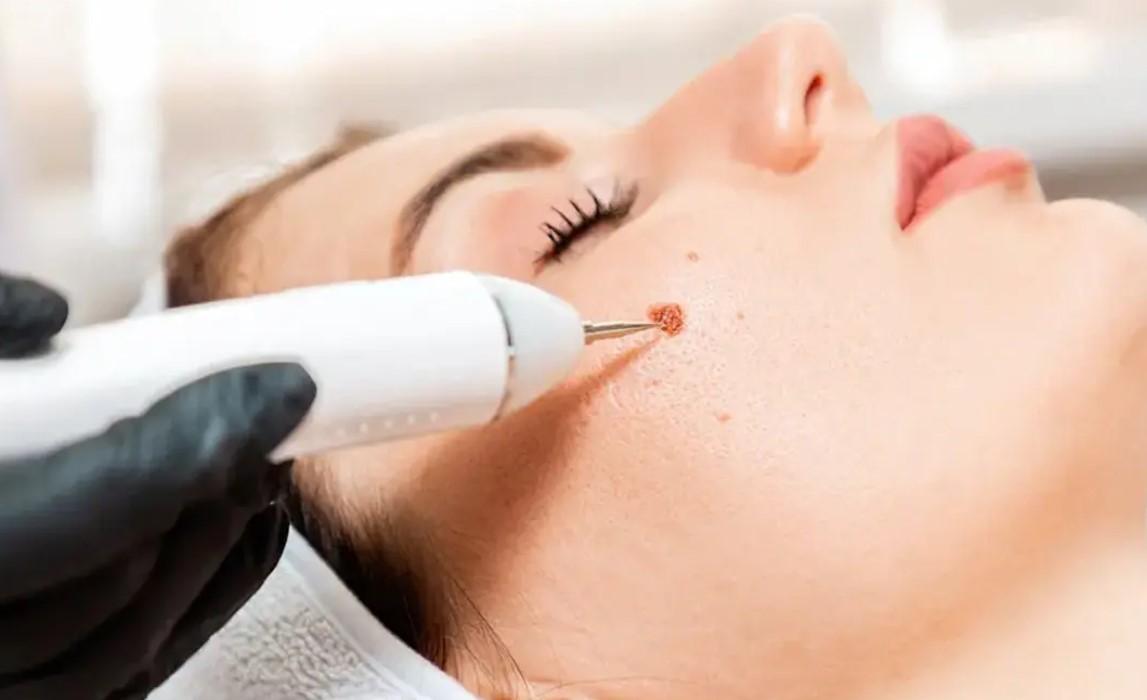
Mole removal is a common dermatological procedure performed for both medical and cosmetic reasons. In a modern city like Riyadh, clinics offer a wide range of advanced mole removal techniques tailored to the size, type, and location of the mole, as well as the patient’s preferences. Understanding the different types of mole removal procedures can help individuals make informed decisions when seeking treatment. Mole Removal in Riyadh is a popular dermatological procedure for safely enhancing skin appearance and addressing unwanted or suspicious moles.
One of the most widely used methods is surgical excision, often considered the gold standard for mole removal. In this procedure, a dermatologist cuts out the entire mole along with a small margin of surrounding skin using a scalpel. The area is then stitched closed. This technique is particularly recommended for deep, large, or suspicious moles that may need laboratory testing to rule out skin cancer. Surgical excision is highly effective and has a low recurrence rate, although it may leave a small scar.
Another common technique is shave excision, which is less invasive than full surgical removal. In this method, the mole is shaved off at the surface level using a surgical blade. It is typically used for raised or protruding moles that are not suspected to be cancerous. The procedure does not usually require stitches and heals relatively quickly. However, because it does not remove deeper tissue, there is a slightly higher chance that the mole may grow back over time.
Laser mole removal is a popular cosmetic option in Riyadh, especially for facial moles or those in visible areas. This method uses concentrated light energy to break down the pigment in the mole. It is non-invasive, precise, and generally results in minimal scarring. Laser treatment is best suited for small, flat, and non-cancerous moles. However, it may require multiple sessions, and it does not allow for biopsy since the tissue is destroyed during the process.
Cryotherapy, also known as freezing, is another technique used for certain types of moles. In this procedure, liquid nitrogen is applied to the mole to freeze and destroy the abnormal cells. Over time, the mole falls off as the skin heals. Cryotherapy is quick and does not involve cutting, but it is usually limited to superficial, non-cancerous moles. There may be temporary side effects such as blistering or changes in skin pigmentation.
Electrocautery (burning) is a method that uses an electric current to remove the mole by burning its tissue. This technique is often used for small moles and may be combined with shave removal for better results. It helps control bleeding and can improve the cosmetic outcome. However, like laser treatment, it may not be suitable for deeper moles and does not provide a tissue sample for further analysis.
Another specialized method is the punch excision technique, which involves using a circular blade tool to remove a deeper section of skin containing the mole. This approach is particularly useful for moles that extend into deeper layers of the skin. The wound is usually closed with stitches, and the removed tissue is sent for examination if needed.
In Riyadh, dermatologists often begin with a thorough consultation before selecting the most appropriate procedure. This includes examining the mole’s size, shape, color, and any changes over time. If there is any suspicion of malignancy, removal methods that allow for biopsy—such as surgical excision or punch biopsy—are preferred.
It is important to note that mole removal should always be performed by qualified medical professionals in clinical settings. Attempting to remove moles at home using creams or cutting tools can lead to complications such as infection, scarring, and missed diagnosis of skin cancer. Professional procedures ensure safety, proper healing, and accurate diagnosis when necessary.
In conclusion, Riyadh offers a variety of advanced mole removal procedures, ranging from surgical techniques to non-invasive cosmetic treatments. The choice of method depends on medical necessity, cosmetic goals, and the characteristics of the mole itself. Consulting an experienced dermatologist is essential to determine the safest and most effective treatment option.
