English
 Arabic
 French
 Spanish
 Portuguese
 Deutsch
 Turkish
 Dutch
Dutch
 Italiano
 Russian
 Romaian
 Portuguese (Brazil)
 Greek
Greek
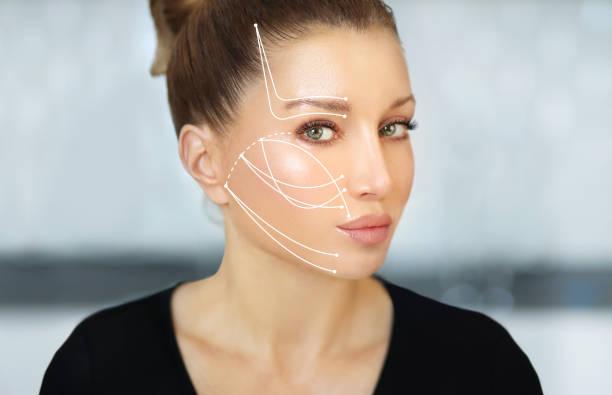
The outcome of a thread lift in Dubai is not determined solely by what happens in the treatment room. What a patient does in the days and weeks before their procedure has a direct and measurable impact on the experience, the recovery, and the quality of the result. Yet preparation is the part of the thread lift journey that receives the least attention — in clinic conversations, in online guides, and in the minds of patients who assume the responsibility begins and ends on the day of the appointment.
It doesn't. Preparation begins weeks before the procedure. This guide covers everything a patient needs to know and do before their thread lift in Dubai — from the consultation stage through to the morning of the appointment itself.
Start With the Right Consultation
What Should You Expect From a Thread Lift Consultation in Dubai?
A thorough consultation is not a sales conversation. It is a clinical assessment that determines whether thread lift is genuinely appropriate for your face, what it can realistically achieve, and what the procedure will involve for your specific anatomy. By the end of it you should have clear answers to every question that matters before committing.
Preparation for the consultation itself makes a difference. Patients who arrive with relevant information tend to receive more useful guidance.
Before your consultation, consider gathering:
- A list of all medications you take, including supplements, vitamins, and over-the-counter products
- Information about any previous aesthetic treatments including filler, Botox, laser, or previous thread lift procedures
- Photographs taken over several years that show how your face has changed, particularly in the areas you are most concerned about
- A clear sense of what specifically bothers you and what outcome would satisfy you
- An honest account of your medical history including any autoimmune conditions, skin conditions, or healing complications
Being specific at consultation is more useful than being general. Telling a practitioner that you want to look younger is less useful than telling them that your jawline has softened and your cheeks feel heavier than they used to. Specificity allows the practitioner to assess whether thread lift addresses the precise changes you have identified.
Timeline: When to Start Preparing
Preparation for thread lift in Dubai is not a last-minute exercise. Certain steps need to begin two weeks or more before the procedure date. Building a clear timeline prevents the most common pre-treatment mistakes.
Four weeks before:
- Begin optimising your skincare routine under practitioner guidance if skin quality is a concern
- Identify any supplements or medications that may need to be paused and discuss with the relevant prescribing physician
- Schedule dental appointments if any dental work is pending — dental procedures requiring wide mouth opening should be completed at least two weeks before thread lift, and avoided for two weeks after
Two weeks before:
- Stop blood-thinning supplements including fish oil, vitamin E, ginkgo biloba, and high-dose vitamin C
- Avoid aspirin and ibuprofen where medically safe to do so — discuss with your doctor if these are prescribed
- Pause any facial treatments including chemical peels, microneedling, laser, and radiofrequency
- Avoid any new skincare products that you have not used before — this is not the time to trial retinoids or acids your skin is not accustomed to
One week before:
- Stop alcohol consumption or significantly reduce it — alcohol dilates blood vessels and increases bruising risk
- Avoid smoking if applicable — smokers should ideally have stopped at least two weeks before to support optimal tissue healing
- Begin sleeping on your back if this is not your natural sleep position — adapting to back sleeping before the procedure makes the post-procedure restriction significantly easier to maintain
48 hours before:
- Stop alcohol entirely
- Avoid any vigorous exercise that causes significant flushing or elevated heart rate — this is precautionary rather than strictly necessary but reduces baseline vascular activity going into the procedure
- Ensure you are well rested — poor sleep increases inflammatory response and can worsen post-procedure swelling
Day of the procedure:
- Arrive with completely clean skin — no makeup, no skincare products, no SPF, no hair products near the face
- Eat a normal meal beforehand — thread lift uses local anaesthetic only, so there is no fasting requirement, and attending on an empty stomach can increase lightheadedness
- Wear comfortable, loose clothing with a front or zip opening — you will not want to pull anything over your face immediately after the procedure
- Arrange transport home if you have any concern about comfort, though most patients drive themselves without difficulty
Managing Medications and Supplements
This is the area where patients most frequently make errors — either pausing medications they should not, or continuing ones that significantly increase procedural risk. The guiding principle is straightforward: any substance that affects blood clotting, immune function, or inflammatory response is relevant and should be discussed with your practitioner and, where applicable, your prescribing physician before thread lift in Dubai.
Substances to pause two weeks before, where safe:
- Aspirin and ibuprofen unless prescribed for a medical condition requiring continuous use
- Fish oil and omega-3 supplements in high doses
- Vitamin E in supplemental form
- Ginkgo biloba
- Garlic supplements in high doses
- St John's Wort
Substances that require medical discussion before pausing:
- Prescribed anticoagulants such as warfarin, rivaroxaban, or apixaban
- Prescribed antiplatelet medications
- Aspirin prescribed for cardiovascular protection
Never stop a prescribed medication without discussing it with the prescribing physician first. The risk of stopping some medications outweighs the bruising risk of continuing them during a thread lift procedure. Your aesthetic practitioner and your medical doctor should communicate if there is any clinical uncertainty.
Substances that are fine to continue:
- Prescribed medications not related to clotting or immune function
- Paracetamol based pain relief
- Standard vitamin D supplementation at normal doses
- Standard skincare prescription products unless directed otherwise
Skincare Preparation: What to Use and What to Stop
The skin's condition at the time of thread lift in Dubai affects both the procedure itself and the quality of the collagen response that follows. Patients with well-hydrated, healthy skin at baseline tend to show better post-procedure skin quality improvement than those who arrive with compromised or irritated skin.
In the weeks before your procedure, continue or begin:
- A gentle, fragrance-free cleanser used morning and evening
- A hydrating moisturiser appropriate to your skin type
- SPF30 or higher every morning — this is non-negotiable in Dubai's UV environment and directly affects skin quality going into the procedure
- Adequate water intake throughout the day — hydrated skin responds better and recovers more consistently
In the two weeks before your procedure, stop using:
- Retinol and retinoids of any strength — these increase skin sensitivity and can compromise the skin's barrier function at the insertion points
- High-concentration vitamin C serums — at high doses these can affect skin reactivity
- AHA and BHA exfoliants including glycolic acid, lactic acid, and salicylic acid
- Benzoyl peroxide treatments directly over areas that will be treated
- Any treatment that produces visible skin shedding, peeling, or redness
The goal is to arrive at your thread lift appointment with skin that is calm, intact, and well-hydrated — not sensitised, compromised, or in the middle of an active exfoliation cycle.
On the morning of the procedure:
- Wash your face with your normal gentle cleanser
- Apply nothing else — no moisturiser, no SPF, no makeup, no serum
- Remove all eye makeup thoroughly including mascara and eyeliner
- Remove all jewellery from the face and ears
- Tie hair back away from the face securely
Physical Preparation: What the Body Needs Before Thread Lift
The body's healing response after thread lift in Dubai is driven by the same physiological mechanisms that govern any wound healing — adequate nutrition, good hydration, normal immune function, and the absence of substances that impair these processes. Optimising these factors in the weeks before the procedure is one of the most direct contributions a patient can make to their own outcome.
Nutrition in the weeks before thread lift:
Patients do not need to follow a specific diet before thread lift. But certain nutritional patterns support the collagen response that determines long-term results.
Adequate protein intake is particularly relevant — collagen is a protein, and its synthesis requires sufficient amino acid availability. Patients who eat very low protein diets may benefit from moderately increasing protein intake in the weeks before and after the procedure. This is not a medical prescription — it is a general observation about nutritional support for tissue healing.
Vitamin C plays a specific role in collagen synthesis and is worth ensuring adequate dietary intake of in the weeks surrounding the procedure. The restriction on high-dose supplemental vitamin C does not apply to normal dietary sources. Citrus fruits, bell peppers, leafy greens, and berries all provide relevant amounts.
Staying well hydrated in the weeks before thread lift supports skin turgor, tissue mobility, and the lymphatic clearance of post-procedure swelling. Patients should aim for consistent water intake rather than a single day of high hydration immediately before the appointment.
Exercise and physical activity:
There are no specific restrictions on exercise in the weeks before thread lift. However, patients planning very high-intensity training schedules — particularly those that involve significant flushing, sweating, and elevated heart rate — may find their baseline vascular activity is slightly elevated going into the procedure. Normal exercise, including cardiovascular training, is completely appropriate in the weeks before the appointment.
Sun exposure:
Dubai's UV intensity is among the highest in the world. Patients preparing for thread lift should treat pre-procedure sun protection as seriously as post-procedure. UV exposure in the weeks before thread lift degrades the existing collagen in the skin, compromises barrier function, and creates an inflammatory baseline in the tissue that is not ideal for the procedure. Consistent SPF use and avoiding prolonged midday sun exposure are both relevant in the preparation period.
Mental Preparation: Managing Expectations and Anxiety
Physical preparation is the easier half. Mental preparation — particularly around managing anxiety and setting accurate expectations — is where many patients are less well-prepared.
Thread lift is a procedure that takes place on your face while you are awake. The room is clinical. Needles are involved. The sensations during the procedure, while not painful under adequate anaesthesia, are unfamiliar. Patients who have not mentally prepared for this environment sometimes find the experience more stressful than the procedure itself warrants.
Practical steps that reduce procedural anxiety:
- Ask your practitioner at consultation to walk you through exactly what you will hear, feel, and see during the procedure — not just what will happen clinically, but the sensory experience moment to moment
- Confirm that you can ask for additional anaesthetic at any point during the procedure if needed
- Bring earphones and music or a podcast if audio distraction helps you in clinical settings
- Arrive with enough time not to feel rushed — procedural anxiety is meaningfully worsened by time pressure
On the expectation side, the most important mental preparation is accepting the recovery timeline honestly before the procedure rather than in the middle of it. Day two and three involve visible swelling. The final result is not visible until six months post-procedure. Patients who have internalised these facts approach the recovery calmly. Patients who haven't are the ones calling the clinic in alarm on day two.
What to Prepare at Home for Recovery
Preparation for the recovery period should happen before the procedure, not after. Arriving home post-thread lift to an environment that is ready for recovery — rather than one that requires active management — makes the first 48 hours significantly more comfortable.
Before your thread lift in Dubai appointment, prepare at home:
- Paracetamol available for pain management in the first 48 to 72 hours
- Clean pillow cases on a slightly elevated pillow setup to support back sleeping with head raised
- A supply of cold compresses — gel packs kept in the refrigerator, not the freezer, wrapped in a soft cloth for gentle application to swollen areas
- Easy to eat, soft foods for the first two to three days when wide mouth movement is uncomfortable
- Fragrance-free gentle cleanser and moisturiser for use from day two onward
- Any social commitments cleared for the first five to seven days to remove pressure from the recovery window
Patient Perspectives: Preparation That Made a Difference
"The single most useful thing I did before my thread lift in Dubai was stop my fish oil supplements two weeks before. I had read it increases bruising and was skeptical. I had almost no bruising at all — my practitioner said my preparation had made a real difference. I genuinely believe it." — Maitha, 45, Al Barsha
"I practised sleeping on my back for a week before the procedure. It sounds small but it meant that night one after the thread lift was not uncomfortable and unfamiliar at the same time. I slept well, which I think helped my swelling resolve faster than I expected." — Dalal, 49, Springs
Why Choose Tajmeels Clinic for Thread Lift in Dubai?
Tajmeels Clinic provides every thread lift patient with a detailed pre-treatment preparation guide at their consultation appointment — not as a document handed over at the door, but as a conversation that ensures every patient understands why each step matters and how it connects to their outcome. Board-certified specialists are available to answer preparation questions between the consultation and the procedure date, ensuring patients arrive informed, calm, and physically ready for the best possible result.
FAQ: Preparing for Thread Lift in Dubai
Can I have thread lift if I am currently using prescribed retinoids?
Prescribed retinoids should be paused for two weeks before thread lift. Retinoids thin the skin over time and can compromise barrier function at insertion points. Discuss the pause with your prescribing practitioner to confirm it is appropriate for your skin condition and treatment plan. Most patients can safely pause topical retinoids for a two-week window without meaningful impact on their skin condition.
Is it safe to have a thread lift if I have a cold or mild illness on the day?
Active illness, even mild, is a reason to reschedule. The immune system is already engaged in fighting the illness, which affects the inflammatory response to the procedure and can compromise the tissue anchoring and collagen response. A rescheduled appointment is a better outcome than a procedure performed on a compromised immune baseline.
Can I have thread lift before a major social event?
This depends on the event timeline. Patients should allow a minimum of two weeks between their thread lift in Dubai and any significant social commitment. Three to four weeks is preferable to ensure that any residual swelling or visible entry point marks have fully resolved. Planning around a specific event with less than two weeks of buffer introduces unnecessary risk of attending with visible recovery signs.
Should I arrange childcare or help at home for the recovery period?
For the first 24 to 48 hours, having help available at home is sensible — particularly for patients with young children who may inadvertently press or touch the face. After 48 hours, most patients are fully functional for home and family management. The restriction is more social and professional than physical.
Does smoking significantly affect thread lift outcomes?
Yes. Smoking impairs tissue oxygenation, reduces collagen synthesis capacity, and compromises wound healing at the micro level. Patients who smoke tend to show a weaker collagen response to PLLA threads and may experience slower resolution of swelling. Stopping smoking at least two weeks before the procedure — and ideally not resuming during the recovery period — meaningfully improves outcomes.
Can I wear contact lenses on the day of my thread lift?
Contact lenses are fine to wear on the day of the procedure if the treatment zone does not include the brow or periorbital area. If brow thread lift is planned, glasses rather than contact lenses are preferable for the day of the appointment and the first few days of recovery, as eye rubbing and lens insertion involve facial pressure that is best avoided in the early post-procedure window.