English
 Arabic
 French
 Spanish
 Portuguese
 Deutsch
 Turkish
 Dutch
Dutch
 Italiano
 Russian
 Romaian
 Portuguese (Brazil)
 Greek
Greek
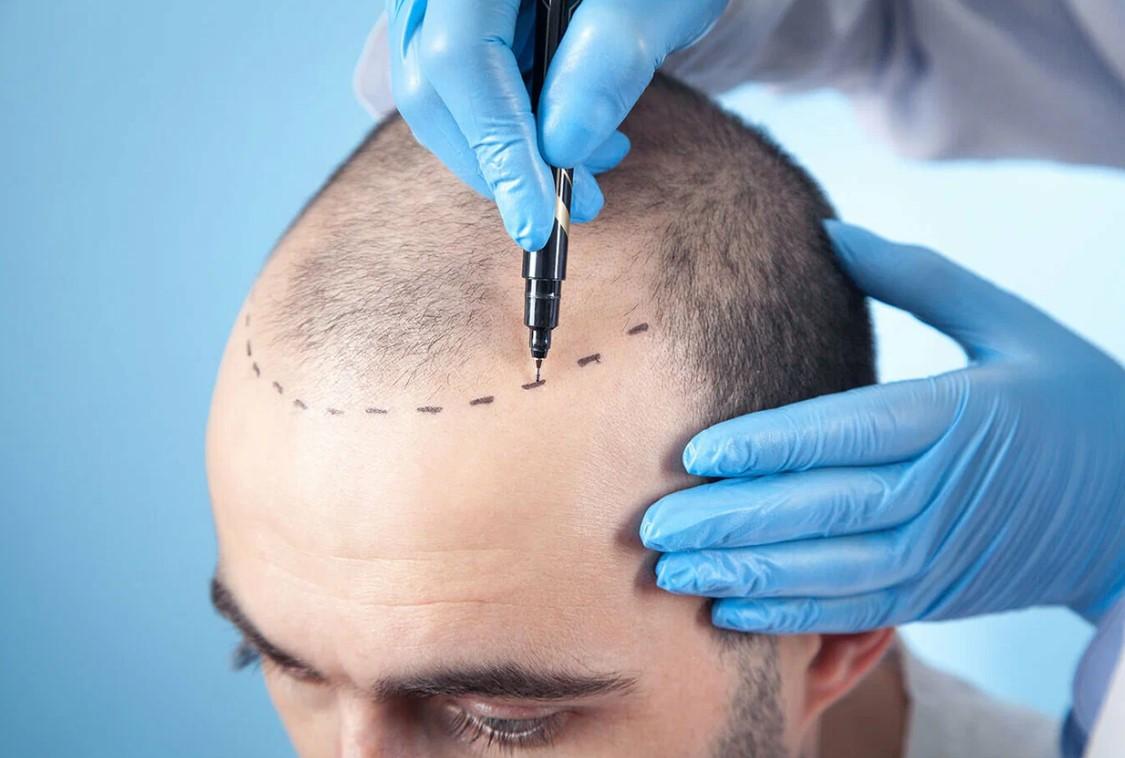
Hair loss among men in Riyadh is a common dermatological concern influenced by a complex interaction of genetic, environmental, lifestyle, and medical factors. Understanding these factors is essential for prevention, management, and treatment. In recent years, studies and clinical observations in Saudi Arabia have highlighted how regional conditions uniquely contribute to male hair loss. Hair transplant in Riyadh has become an increasingly popular solution for individuals seeking effective and lasting hair restoration results in Riyadh.
One of the most significant factors is genetics, particularly a condition known as androgenetic alopecia, or male pattern baldness. This is the most common cause of hair loss worldwide and is strongly hereditary. Men who have a family history of baldness are more likely to experience it themselves. The condition is driven by sensitivity of hair follicles to dihydrotestosterone (DHT), a hormone derived from testosterone. Over time, DHT causes hair follicles to shrink, leading to thinner hair and eventual hair loss. Research indicates that up to 80% of predisposition to this condition may be genetic, making it the dominant factor in many cases .
Another major contributing factor in Riyadh is the harsh environmental climate. The city experiences extremely high temperatures, often exceeding 45°C, along with very low humidity. These conditions can dry out the scalp and weaken hair structure. Additionally, frequent sandstorms expose hair to dust and abrasive particles, which can damage hair shafts and irritate the scalp. Hard water, commonly produced through desalination processes in Saudi Arabia, contains high mineral content that may lead to dryness and brittleness of hair. These environmental stressors can push hair follicles into premature shedding phases, increasing hair fall beyond normal levels .
Nutritional deficiencies are also a key factor influencing hair loss among men in Riyadh. Diets lacking essential nutrients such as iron, zinc, protein, and vitamins (especially Vitamin D) can impair hair growth and lead to thinning. In some cases, modern dietary habits, including reliance on processed foods or unbalanced diets, exacerbate the problem. Dermatologists in Saudi Arabia have observed that deficiencies in these nutrients are relatively common and contribute significantly to hair loss cases .
Lifestyle factors, particularly stress, play a critical role as well. Riyadh, being a rapidly growing urban center, is associated with high levels of occupational and social stress. Chronic stress can disrupt the normal hair growth cycle, pushing more hair follicles into the resting (telogen) phase, resulting in a condition known as telogen effluvium. Studies conducted in Saudi Arabia emphasize the link between stress and hair loss, suggesting that psychological factors can worsen the condition and even accelerate genetic hair loss .
Hormonal imbalances and underlying medical conditions also contribute to hair loss. Conditions such as thyroid disorders, autoimmune diseases like alopecia areata, and scalp infections can lead to significant hair shedding. Certain medications and treatments, including chemotherapy, are also known to cause hair loss. Even everyday practices such as excessive use of chemical hair treatments, frequent styling, or tight hairstyles can damage hair over time and lead to gradual thinning .
Age is another natural factor. As men grow older, the rate of hair growth slows, and hair follicles gradually become less active. This makes hair thinner and more prone to falling out. In Riyadh, as in other parts of the world, many men begin to notice visible hair thinning in their 30s or 40s, although it can start earlier depending on genetic predisposition.
Additionally, water quality and hygiene practices in the region can influence hair health. The mineral-rich water in Riyadh may leave residues on the scalp, clogging pores and weakening hair roots. Combined with infrequent or improper hair care routines, this can accelerate hair damage and loss.
Finally, cultural and behavioral factors may also play a role. The use of traditional head coverings, exposure to sunlight, and grooming habits can all influence scalp health. While head coverings themselves do not directly cause hair loss, poor scalp hygiene underneath them may contribute to issues such as dandruff or fungal infections, which can indirectly affect hair growth.
In conclusion, hair loss among men in Riyadh is a multifactorial issue. While genetics remains the primary cause, environmental conditions, nutritional habits, stress, medical conditions, and lifestyle choices all significantly contribute to the problem. Addressing hair loss in this context requires a holistic approach that includes proper nutrition, stress management, good hair care practices, and, when necessary, medical consultation. Understanding these factors can help men in Riyadh take proactive steps to maintain healthier hair and reduce the progression of hair loss.