English
 Arabic
 French
 Spanish
 Portuguese
 Deutsch
 Turkish
 Dutch
Dutch
 Italiano
 Russian
 Romaian
 Portuguese (Brazil)
 Greek
Greek
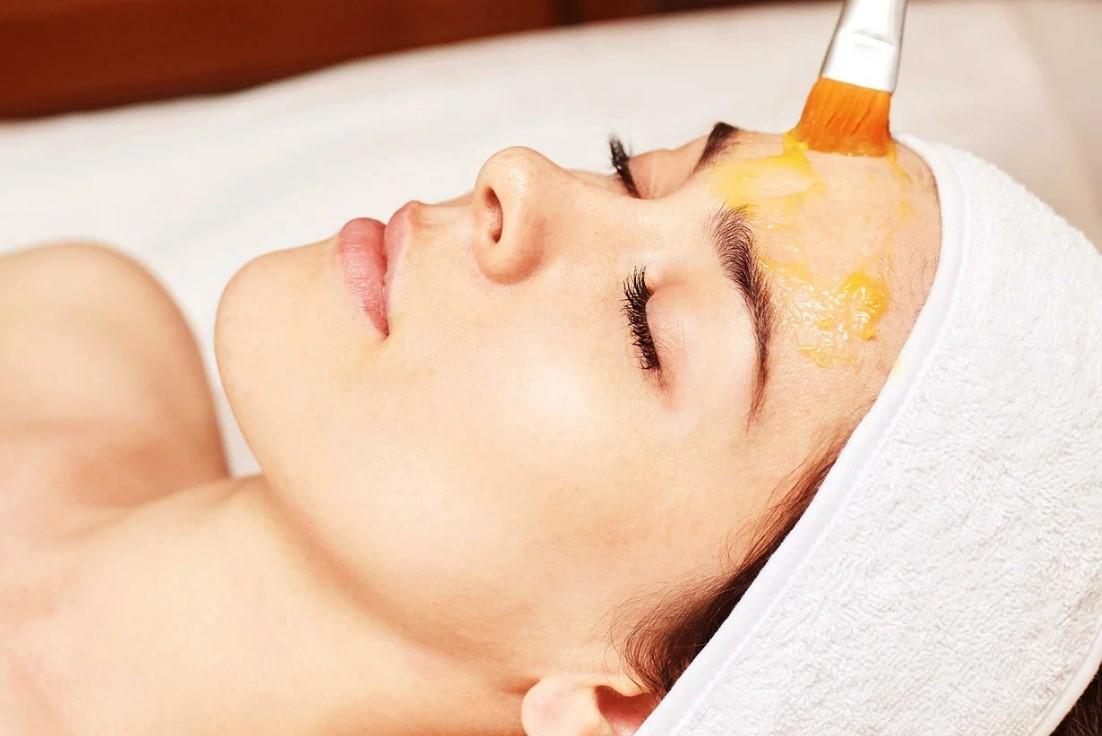
Chemical peels are a popular dermatological and cosmetic treatment designed to improve the texture, tone, and appearance of the skin by removing the outermost layers. They work by applying a chemical solution to the skin, which causes controlled exfoliation and eventual peeling, revealing newer, healthier skin underneath. Chemical peels are used to address a variety of skin concerns, including acne, hyperpigmentation, sun damage, fine lines, and uneven texture. Depending on the depth of penetration and the type of chemical used, peels are generally classified into three main categories: superficial, medium, and deep. Each type has distinct properties, effects, and recovery considerations. Chemical Peels in Riyadh offer an effective way to rejuvenate your skin and reduce the appearance of acne scars and pigmentation.
Superficial Peels
Superficial peels, sometimes called “lunchtime peels,” are the mildest form of chemical peel. They primarily affect the outermost layer of the skin, known as the epidermis. Common agents used for superficial peels include alpha hydroxy acids (AHAs) like glycolic acid and lactic acid, as well as beta hydroxy acids (BHAs) such as salicylic acid. These compounds work by loosening the bonds between dead skin cells, promoting gentle exfoliation and stimulating mild skin renewal.
The effects of superficial peels are gradual and cumulative, making them suitable for treating mild skin discoloration, fine lines, and minor acne. Patients often notice smoother, brighter skin and improved overall texture after a series of treatments. One of the key benefits of superficial peels is their minimal downtime. While some redness or mild flaking may occur, most individuals can resume normal activities immediately. Superficial peels are often recommended as a maintenance treatment to complement a regular skincare regimen, especially for those with sensitive skin or early signs of aging.
Medium Peels
Medium-depth peels penetrate deeper into the epidermis and reach the upper portion of the dermis. Trichloroacetic acid (TCA) is one of the most widely used agents for medium peels, often at concentrations ranging from 20% to 35%. These peels work by breaking down damaged skin layers and stimulating the skin’s natural regenerative processes. The result is the replacement of damaged tissue with smoother, healthier skin.
Medium peels are effective for more pronounced skin concerns, including moderate wrinkles, uneven pigmentation, sunspots, and superficial scars, including acne scars. They can significantly improve skin tone and elasticity, giving the face a rejuvenated appearance. Recovery from a medium peel is longer than from a superficial peel, typically requiring 5 to 7 days of downtime. During this period, the skin may appear red, swollen, and flaky. Because of the deeper penetration, medium peels require careful post-procedure care, including diligent sun protection and moisturizing, to ensure optimal results and reduce the risk of complications such as hyperpigmentation or infection.
Deep Peels
Deep chemical peels are the most intensive form of peel and are designed to treat severe skin issues. Phenol is the most commonly used agent for deep peels, known for its ability to penetrate the dermis extensively. Deep peels provide dramatic results by removing multiple layers of skin, which stimulates significant collagen production and tissue regeneration.
The effects of deep peels are profound. They can correct deep wrinkles, severe sun damage, prominent scars, and certain types of pigmentation disorders. The skin that emerges after a deep peel is usually smoother, tighter, and more youthful in appearance. However, deep peels come with considerable risks and longer recovery periods, often requiring 2 to 4 weeks for initial healing and several months for full results. Patients may experience redness, swelling, crusting, and temporary changes in skin pigmentation. Due to their intensity, deep peels are typically performed under medical supervision, often with local anesthesia or sedation, and require strict post-care protocols to prevent complications.
Choosing the Right Peel
Selecting the appropriate chemical peel depends on several factors, including skin type, skin concerns, and desired outcomes. Superficial peels are ideal for maintenance and mild issues, medium peels for moderate damage or aging, and deep peels for significant resurfacing needs. A thorough consultation with a dermatologist or qualified practitioner is essential to assess skin condition, discuss expectations, and plan the treatment schedule. Additionally, factors such as medical history, current medications, and lifestyle considerations can influence peel suitability and safety.
Conclusion
Chemical peels offer a versatile approach to skin rejuvenation, with different types targeting varying depths of skin damage. Superficial peels provide gentle exfoliation and minor improvements, medium peels deliver more noticeable correction of wrinkles and pigmentation, and deep peels offer transformative results for severe skin imperfections. Understanding the differences among these peels and their effects helps individuals make informed decisions about the best treatment for their skin goals. With proper selection, technique, and aftercare, chemical peels can significantly enhance skin health, texture, and appearance, offering a renewed and radiant complexion.