English
 Arabic
 French
 Spanish
 Portuguese
 Deutsch
 Turkish
 Dutch
Dutch
 Italiano
 Russian
 Romaian
 Portuguese (Brazil)
 Greek
Greek
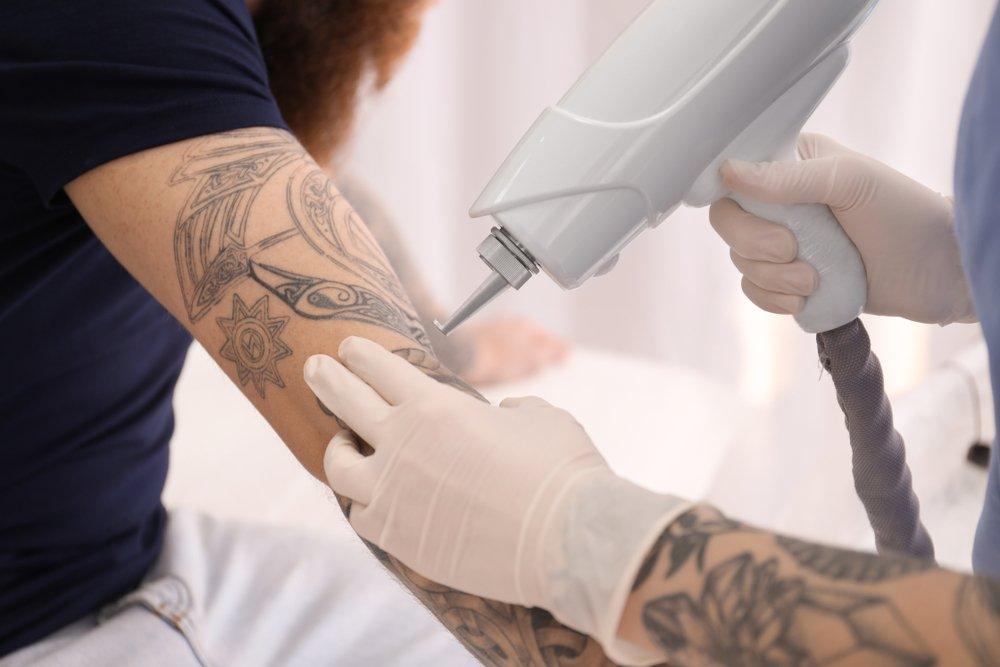
Removing a tattoo is often more complex than getting one because tattoo ink is embedded deep in the skin’s dermis layer. Clinics in Riyadh offer a range of medical and cosmetic methods to reduce, lighten, or fully remove unwanted tattoos. The most widely accepted and effective procedures are laser-based methods, but there are also surgical and physical skin-removal techniques. The choice depends on factors like tattoo size, color, age, and location on the body. If you’re considering getting a fresh start on your skin, tattoo removal in Riyadh offers advanced options to safely fade or completely erase unwanted tattoos.
1. Laser Tattoo Removal
Laser tattoo removal is the most common and medically recommended method available at dermatology clinics and aesthetic centers across Riyadh.
How It Works
This method uses highly focused light energy to break down pigment particles into smaller fragments. The body’s immune system gradually carries away these fragments over time. Laser treatment is non-invasive, relying on light energy rather than physical removal of the tattooed skin.
Types of Lasers
- Q-Switched Lasers: These are older but widely used lasers that emit high-energy nanosecond pulses. They are effective for black and dark blue inks as well as many multicolored tattoos.
- Picosecond Lasers: These newer lasers emit shorter pulses, breaking down ink more efficiently and often requiring fewer sessions. They are especially effective for stubborn or colorful tattoos.
Advantages
- Non-invasive and gentle on surrounding skin
- Can treat multiple colors with different laser wavelengths
- Widely available at advanced clinics in Riyadh
Considerations
- Multiple sessions are usually needed, often ranging from six to twelve or more, spaced weeks apart
- Darker skin tones and certain ink colors, such as yellow or white, may respond more slowly
- Temporary discomfort, swelling, and minor pigment changes can occur
- Some colors respond less effectively; black is usually easiest, while green, red, and yellow may be more resistant
Laser settings are usually customized by dermatologists based on skin type, tattoo age, and ink composition.
2. Surgical Excision
Surgical excision is a method in which the tattooed area is physically removed and the surrounding skin is stitched back together. This procedure is performed under local anesthesia by a trained surgeon.
How It Works
The surgeon excises the tattooed skin using a scalpel and closes the wound with sutures. This method is most suitable for small tattoos where the excision will not affect the function or appearance of the area significantly.
Advantages
- Often results in complete removal in a single session
- Highly effective for small tattoos that may be difficult to treat with lasers
Drawbacks
- Leaves a scar, which may be more noticeable than the original tattoo
- Not suitable for large tattoos or areas where skin tension is high
- Recovery requires wound care and limitations on physical activity
3. Dermabrasion and Micro-Ablative Techniques
Dermabrasion is less commonly offered in Riyadh but is available in some cosmetic centers. This method involves mechanically sanding off layers of skin containing the tattoo pigment. It is similar to aggressive skin resurfacing.
Advantages
- Can be used when laser treatment is not an option
Drawbacks
- Can be painful and requires a longer healing period
- Results can be inconsistent compared with laser removal
- Higher risk of scarring or changes in skin texture
4. Topical Creams
Topical creams and over-the-counter tattoo removal products are widely advertised, but they are generally ineffective. These creams may lighten the skin superficially but do not reach the deep ink particles embedded in the dermis. They can also cause irritation, burns, or allergic reactions.
Choosing the Right Method in Riyadh
When considering tattoo removal, it is important to seek a consultation with a qualified dermatologist or licensed aesthetic practitioner. They can evaluate the tattoo, your skin type, and recommend the safest and most effective treatment plan.
Clinic Selection
Riyadh has many clinics offering tattoo removal services. Choosing a clinic with experienced staff, accredited facilities, and a strong safety record is critical.
Cost and Time Commitment
Advanced laser technologies may cost more but can reduce the number of sessions required. Surgical excision may be faster but involves a more invasive procedure and the possibility of noticeable scarring.
Aftercare
Proper aftercare is essential to ensure healing and minimize complications. This includes keeping the area clean, avoiding direct sun exposure, and following the provider’s specific post-treatment instructions.
Summary
In Riyadh, laser tattoo removal is the most popular and effective method, particularly with Q-switched and picosecond lasers. Surgical excision is suitable for small tattoos but results in scarring. Dermabrasion and other physical skin removal techniques are less common and carry higher risks. Topical creams are generally ineffective.
Consulting a qualified professional is essential to determine the best method for each individual tattoo, taking into account factors such as skin type, tattoo color, size, and location. Proper planning, treatment, and aftercare are key to achieving the best results safely.