English
 Arabic
 French
 Spanish
 Portuguese
 Deutsch
 Turkish
 Dutch
Dutch
 Italiano
 Russian
 Romaian
 Portuguese (Brazil)
 Greek
Greek
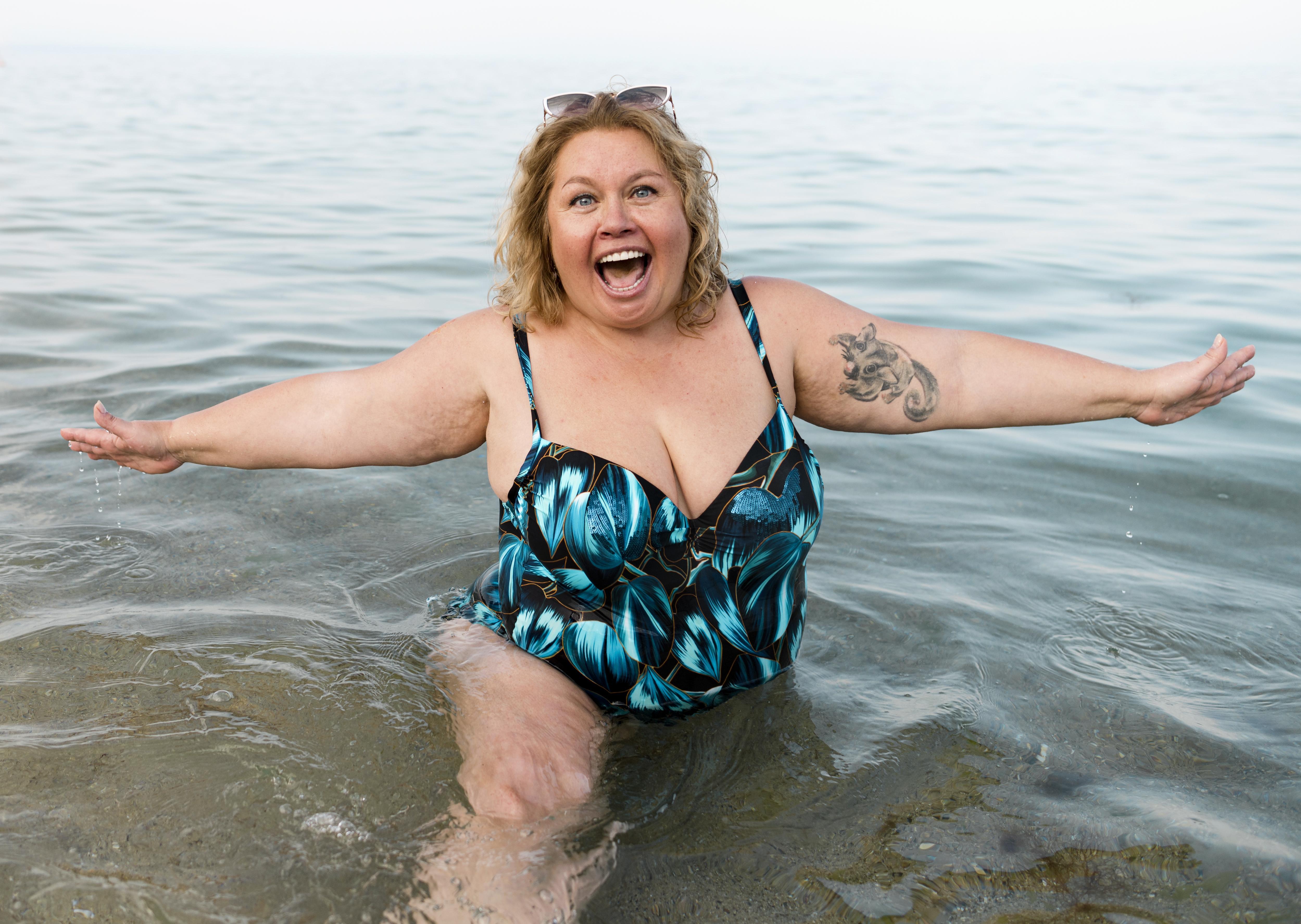
The swimwear industry has changed more in the last five years than in the previous twenty. Today, a swimsuit isn’t just a piece of clothing; it is a high-performance garment designed to withstand chemicals, sun, and constant movement. Whether you are a first-time buyer looking for a personal suit or a professional scout sourcing for a global brand, understanding the "bones" of a garment is essential. At Wave Zone Swim, we believe that transparency in manufacturing is the key to a perfect fit. This guide breaks down everything from fabric science to 2026 style trends in simple, easy-to-understand English.
Understanding Swimwear Fabrics: The Secret to Longevity
When you touch a piece of swimwear, the first thing you notice is the stretch. However, not all stretch is created equal. Most high-quality suits are made from a blend of two main materials:
-
Nylon (Polyamide): This is the gold standard for fashion swimwear. It is soft to the touch, has a beautiful "sheen," and takes colors very well.
-
Polyester: This is the workhorse of the industry. Polyester is highly resistant to chlorine, making it the best choice for competitive swimmers or people who spend a lot of time in hotel pools.
To make these fabrics move with your body, manufacturers add Spandex (also known as Elastane or Lycra). A premium swimsuit usually contains between 15% and 22% Spandex. At Wave Zone Swim, we look for a fabric weight of 190 to 220 GSM (grams per square meter). This ensures the suit is thick enough to be "squat-proof" and durable, but light enough to dry quickly.
Essential Features for the Modern Buyer
In 2026, a great swimsuit must do more than just look good. Here are the technical features that separate professional-grade swimwear from "fast fashion" alternatives:
-
UV Protection (UPF 50+): Just like sunscreen, your clothes can block the sun. Quality swimwear should have a UPF 50+ rating, which blocks 98% of harmful UV rays.
-
Chlorine Resistance: Cheap suits lose their shape and become "see-through" after a few dips in the pool. Look for fabrics treated to resist fiber breakdown caused by pool chemicals.
-
Four-Way Stretch: This means the fabric stretches both horizontally and vertically. This prevents the suit from sagging or "digging in" to your shoulders.
2026 Swimwear Trends: What’s Popular Now?
Style is evolving toward a mix of "retro-comfort" and "eco-luxury." If you are looking to stay ahead of the curve, keep an eye on these three trends:
1. Sustainable Materials The most significant shift in the industry is the move toward recycled fabrics. At Wave Zone Swim, we are seeing a massive demand for materials made from recycled ocean plastic and ghost fishing nets. These fabrics perform exactly like "virgin" nylon but help protect the very oceans we love to swim in.
2. Versatile "Beach-to-Bar" Styles Buyers are now looking for value. This means one-piece suits that can be worn as bodysuits with a skirt, or bikini tops that look like stylish crop tops. High-waisted bottoms remain a favorite because they offer comfort and support for all body types.
3. Bold Textures Flat fabrics are being replaced by ribbed textures, crinkle fabrics, and "honeycomb" weaves. These textures aren't just for looks—they are excellent at hiding small imperfections and providing extra support.
How to Spot a High-Quality Manufacturer
If you are a professional buyer or a startup owner, choosing the right partner is critical. A professional manufacturer like Wave Zone Swim will always provide a technical "spec sheet" for their products. When evaluating a supplier, ask these three questions:
-
What is the colorfastness rating? You want a rating of 4 or higher to ensure the color doesn't bleed in the wash.
-
Do you offer low Minimum Order Quantities (MOQs)? This is vital for new brands that want to test the market without buying thousands of units.
-
What certifications do you have? Look for OEKO-TEX or GRS (Global Recycled Standard) to ensure the labor and materials are ethical.
Care Tips to Make Your Swimwear Last
Even the best swimwear will fail if it isn't cared for properly. To keep your suit in "like-new" condition, follow these three rules:
-
Rinse Immediately: Always rinse your suit in cold, fresh water after leaving the pool or ocean to remove salt and chlorine.
-
Hand Wash Only: Never put your swimwear in the washing machine. Use a mild detergent and gently squeeze—don't wring—the water out.
-
Dry in the Shade: Direct sunlight can fade colors and "cook" the elastic fibers. Always lay your suit flat in a shaded, breezy area.
Conclusion
Finding the perfect swimwear is about balancing style with science. By focusing on high-quality fabrics like those used at Wave Zone Swim, checking for UV protection, and following proper care steps, you can ensure your suit lasts for many seasons to age. Whether you are hitting the beach for a vacation or launching your own fashion line, remember that quality is always the best investment.
For more information on high-performance manufacturing and the latest in swim technology, visit wavezoneswim.com. We are here to help you navigate the water with confidence.