 English
 Arabic
 French
 Spanish
 Portuguese
 Deutsch
 Turkish
 Dutch
Dutch
 Italiano
 Russian
 Romaian
 Portuguese (Brazil)
 Greek
Greek
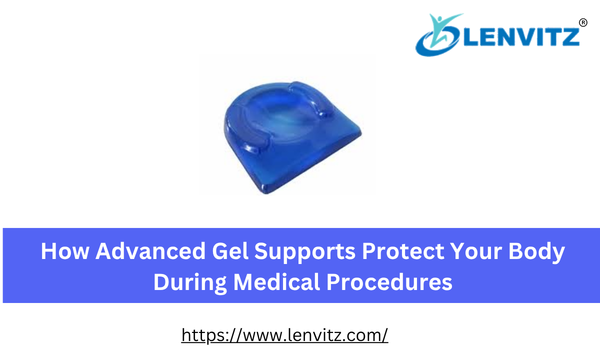
When we prepare for surgery, our focus is usually on the surgeon’s skill or the recovery process. However, one of the most critical factors for a successful outcome happens before the first incision is even made: patient positioning. Because patients are immobilized under anesthesia, their bodies cannot signal discomfort or shift to relieve pressure.
To prevent nerve damage and skin injuries, surgical teams use specialized medical-grade equipment. Whether a procedure requires lithotomy position gel pads or a stable lateral positioner, these tools are the silent guardians of patient safety in the operating room.
Understanding Surgical Positions and Their Risks
Different surgeries require the body to be placed in specific alignments to give the surgeon the best access. Each of these positions—supine, lateral, or lithotomy—comes with its own set of "pressure points" that must be protected.
Comfort in the Supine Position
The most common surgical alignment is the supine position, where the patient lies flat on their back. While it seems natural, lying on a hard surgical table for hours can cause significant pressure on the back of the head, the shoulder blades, and the sacrum.
To combat this, hospitals use a supine position gel pad. These pads are engineered to redistribute the patient's weight across a larger surface area. By using a supine position gel pad, the surgical team ensures that blood flow to the skin remains constant, preventing the development of painful pressure sores that can complicate recovery.
Specialized Support for Side-Lying Procedures
For surgeries involving the hips, kidneys, or lungs, the patient is often placed on their side. This is known as the lateral position, and it is one of the most mechanically demanding setups for a clinical team.
The Role of the Lateral Positioner and Gel Pads
In this orientation, the weight of the entire torso rests on a single hip and shoulder. To keep the patient stable and safe, a lateral positioner is used to brace the body. However, a brace alone can be too firm, which is why lateral position gel pads are essential.
These lateral position gel pads are placed under the bony prominences of the ribs, hips, and knees. Because the gel mimics the consistency of human fatty tissue, lateral position gel pads provide a soft "cradle" that prevents the nerves in the legs and arms from being pinched against the table or the lateral positioner.
Safety During Pelvic and Abdominal Surgeries
For gynecological, urological, or colorectal procedures, the "lithotomy position" is often required. In this setup, the patient’s legs are elevated and supported in stirrups.
Why Lithotomy Position Gel Pads are Vital
The lithotomy position puts immense strain on the lower back and the nerves running along the calves (specifically the peroneal nerve). Without proper cushioning, a patient could wake up with temporary numbness or weakness in their legs.
Using lithotomy position gel pads inside the stirrups or under the calves provides a critical buffer. These lithotomy position gel pads absorb the pressure of the leg’s weight, ensuring that the hard metal of the surgical equipment never comes into direct contact with the patient's skin.
Why Medical-Grade Gel is the Best Choice
Surgical teams prefer gel over traditional foam for several key reasons:
-
Anti-Shear Properties: Gel allows the skin to move slightly without tearing or "shearing" during positioning.
-
Durability: Unlike foam, gel does not "bottom out" or lose its shape during long, multi-hour surgeries.
-
Easy Sterilization: Most supine position gel pad and lateral position gel pads are non-porous, making them easy to clean between patients.
Conclusion
Patient safety is about more than just the surgery itself; it is about how the body is treated while it cannot protect itself. From the foundational support of a supine position gel pad to the specialized protection of lithotomy position gel pads, these innovations ensure that patients can recover without the added burden of nerve or skin injuries. If you or a loved one are heading into a procedure, knowing that tools like a lateral positioner and lateral position gel pads are on your side can provide immense peace of mind.
