English
 Arabic
 French
 Spanish
 Portuguese
 Deutsch
 Turkish
 Dutch
Dutch
 Italiano
 Russian
 Romaian
 Portuguese (Brazil)
 Greek
Greek
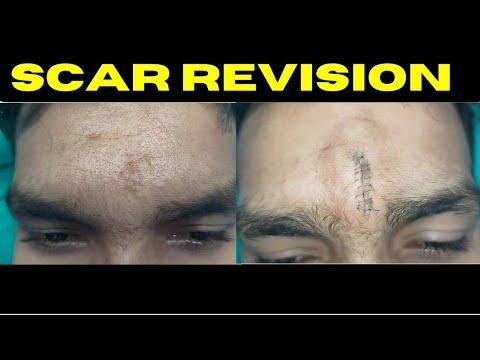
Body Confidence Restored: Surgical Revision for Large Bodily Scars
Scars on the body, whether from significant trauma, old surgeries, or deep burns, often present a different set of challenges than those on the face. These marks are frequently larger, deeper, and subject to constant tension from movement and clothing. Surgical Scar Revision in Riyadh has become an essential service for individuals seeking to reclaim their body confidence by addressing these extensive marks. While facial work focuses on delicate camouflage, body scar revision often prioritizes structural integrity, tissue quality, and the restoration of natural contours. By utilizing advanced reconstructive techniques, it is possible to transform a heavy, restrictive, or unsightly bodily scar into a discreet line that allows you to feel comfortable and at ease in your own skin.
The Challenge of Large-Scale Bodily Scarring
Large scars on the torso, limbs, or back often behave differently than smaller incisions. Because the skin in these areas is thicker and subject to higher mechanical stress, scars have a tendency to widen over time—a process known as "scar spread."
-
Hypertrophic Ridges: Large wounds often result in thick, raised ridges that can be itchy or sensitive to the touch.
-
Surface Irregularity: Extensive injuries can lead to "contour deformities," where the skin looks sunken (atrophic) or uneven, disrupting the smooth silhouette of the body.
-
Functional Limitation: If a large scar is located near the shoulder, knee, or hip, it can act like a tight band, restricting the range of motion and making daily activities uncomfortable.
Advanced Surgical Strategies for the Body
To address these complex issues, surgeons in 2026 employ a variety of high-level reconstructive methods tailored to the body's unique anatomy.
Tissue Expansion
For very large scars where there isn't enough nearby healthy skin to simply "close the gap," tissue expansion is a revolutionary solution. A small, temporary expander is placed under the healthy skin adjacent to the scar. Over several weeks, this skin is gently stretched—similar to how the abdomen expands during pregnancy. Once enough new, healthy skin has been "grown," the old scar is excised, and the new skin is moved to cover the area, providing a match in color and texture that no graft can replicate.
Complex Flap Closures
Unlike a skin graft, which is just a layer of skin, a "flap" involves moving skin along with its own blood supply, fat, and sometimes muscle. This is particularly effective for deep, broad scars on the limbs or back. By bringing in robust, healthy tissue, the surgeon can restore the natural "cushion" of the area and ensure the new incision heals under much less tension.
Fat Grafting for Contour Correction
Many large scars leave behind "dips" or "depressions" where the underlying fat layer was damaged. Modern revision surgery often includes autologous fat transfer. Small amounts of the patient's own fat are harvested (often from the abdomen or thighs) and meticulously injected beneath the scar. This "fills in" the hollows, smoothing out the body’s contour and helping the scar blend into the surrounding surface.
Restoring Mobility and Comfort
For scars that cause physical tightness (contractures), the primary goal of surgery is functional restoration. Techniques like Z-plasty are used to physically lengthen the scar. By creating a series of triangular flaps that are then transposed, the surgeon can "un-tether" the skin. This immediately releases the tension, allowing for a fuller, pain-free range of motion. For many patients, the psychological relief of being able to move freely is just as significant as the aesthetic improvement.
The Role of Multilayered Internal Support
Because the body moves so much, the risk of a new scar widening is a major concern. In 2026, the use of "permanent" or long-lasting internal sutures has become a standard in body revision. These sutures are placed deep in the dermal and fascial layers, acting as a permanent "internal corset" that holds the wound together. By taking the stress off the surface skin for the first 6 to 12 months of healing, the body is forced to produce a thinner, more stable line of repair.
Recovery in the Riyadh Climate
Recovering from a large bodily revision requires specific environmental management. Given the warm climate, patients must be diligent about keeping the surgical site cool and dry to prevent irritation or infection.
-
Compression Therapy: For large body revisions, custom-fitted compression garments are often recommended for several months. These garments provide external support, reduce swelling, and help ensure the new scar remains flat and smooth.
-
Sun Shielding: Large scars on the arms or legs are particularly vulnerable to UV damage. Even through light clothing, UV rays can reach the healing tissue, causing permanent discoloration. Medical-grade UV-protective tapes or specialized sunscreens are vital for the first year of recovery.
Conclusion: A New Chapter for Your Body
Surgical revision for large bodily scars is a transformative journey that combines the precision of aesthetic surgery with the robustness of reconstructive medicine. It is about more than just "fixing" a mark; it is about restoring the harmony of your physical form and the freedom of your movement. When performed with modern techniques and supported by diligent aftercare, scar revision allows you to move past the physical evidence of old injuries. Your body should be a source of strength and comfort, not a reminder of the past. Through the art and science of revision, you can reclaim your skin and step forward with a renewed sense of pride and confidence.