English
 Arabic
 French
 Spanish
 Portuguese
 Deutsch
 Turkish
 Dutch
Dutch
 Italiano
 Russian
 Romaian
 Portuguese (Brazil)
 Greek
Greek
The Role of Dermabrasion in Treating Rhinophyma and Nasal Skin Irregularities
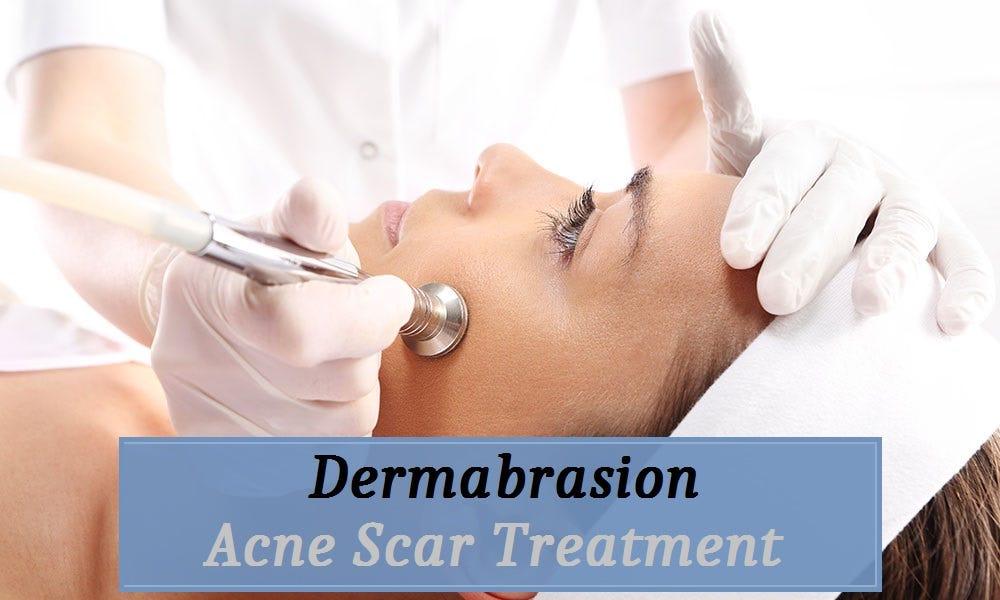
Rhinophyma is a progressive, disfiguring condition typically associated with advanced rosacea, characterized by the thickening of the nasal skin and the overgrowth of sebaceous glands. For those seeking to regain their original facial contours, a professional Dermabrasion treatment Riyadh offers a specialized surgical solution that physically reshapes the nose. While topical medications can manage the underlying inflammation, they cannot reverse the structural "bulbous" changes once the tissue has become fibrous and enlarged. Dermabrasion allows the surgeon to mechanically "sculpt" the nose, removing excess glandular tissue and smoothing out the deep pits and irregular lumps. By precisely planing the thickened nasal skin, the procedure restores a more refined, natural shape and improves the overall symmetry of the central face.
The Pathophysiology of Rhinophyma
Rhinophyma occurs when chronic inflammation leads to "sebaceous hyperplasia"—an extreme enlargement of the oil-producing glands—and "fibrosis," which is the buildup of tough, connective tissue. This causes the nose to appear enlarged, red, and covered in a "cobblestone" texture with deeply dilated pores.
Because the nose is a focal point of the face, these changes can have a significant psychological impact. Controlled mechanical resurfacing is the preferred intervention because the nasal skin is uniquely thick and resilient, containing a high density of adnexal structures (hair follicles and glands). These structures provide a rich source of stem cells that allow the nose to heal rapidly and beautifully even after deep surgical resurfacing.
Surgical Sculpting: Restoring Nasal Contour
The primary goal in treating rhinophyma is "re-contouring." Unlike treating a flat scar on the cheek, treating the nose requires a three-dimensional, artistic approach.
-
Tissue Debulking: The surgeon uses a high-speed rotating handpiece with a coarse diamond fraise to remove the outer layers of the thickened, "rubbery" tissue. This is done in a gradual, circular motion to slowly reveal the underlying framework of the nose.
-
Refining the Bridge and Tip: The most significant overgrowth often occurs at the nasal tip and the alae (the sides of the nostrils). The surgeon carefully planes these areas to reduce the "bulbous" appearance and restore the sharp, defined lines of a typical nasal profile.
-
Pore Minimization: The deep, "pitted" pores characteristic of rhinophyma are effectively "leveled" during the process. By sanding down the raised ridges between the pores, the surgeon creates a much smoother and more uniform skin texture.
The Benefit of Mechanical Precision over Thermal Methods
While lasers are sometimes used for rhinophyma, many specialists prefer dermabrasion because of its "tactile feedback" and lack of thermal damage.
As the surgeon planes the skin, they can feel the resistance of the tissue, allowing for millimetric control over the depth of the removal. Furthermore, because dermabrasion is a mechanical process, it does not generate heat. This prevents the risk of "collateral thermal injury" to the delicate nasal cartilage beneath the skin. The result is a more predictable healing process and a lower risk of post-operative scarring or "notching" of the nostrils.
Healing and Re-epithelialization of the Nose
The nose is one of the fastest-healing areas of the body due to its excellent blood supply and abundant oil glands. Following the dermabrasion procedure, the nose will appear raw and will "weep" for several days as part of the natural healing cascade.
-
Glandular Regeneration: The new skin cells actually migrate upward from the deep lining of the sebaceous glands that remain after the resurfacing. This ensures that the "new" skin is biologically identical to the patient's original, healthy skin.
-
Moist Healing: It is vital to keep the nose covered with a thick, occlusive ointment. This prevents a crust from forming, which allows the new skin to grow across the surface in a smooth, flat sheet.
-
Color Maturation: The nose will remain pink for several weeks. This is a sign of healthy "neovascularization." During this time, the nose must be strictly protected from the sun to prevent any permanent redness or dark spots.
Long-Term Outcomes: A Lasting Transformation
The results of dermabrasion for rhinophyma are often life-changing for the patient. By physically removing the diseased tissue and sculpting a new surface, the surgeon provides a permanent improvement in the nose's shape and texture.
While the patient must continue to manage their underlying rosacea with proper skincare and medical advice to prevent future inflammation, the structural "overgrowth" is effectively reset. Patients typically experience a dramatic boost in self-esteem and a return to a "socially invisible" appearance where their nose no longer draws unwanted attention. Through the surgical precision of mechanical resurfacing, the disfigurement of rhinophyma is replaced with a smooth, refined, and natural nasal contour.