English
 Arabic
 French
 Spanish
 Portuguese
 Deutsch
 Turkish
 Dutch
Dutch
 Italiano
 Russian
 Romaian
 Portuguese (Brazil)
 Greek
Greek
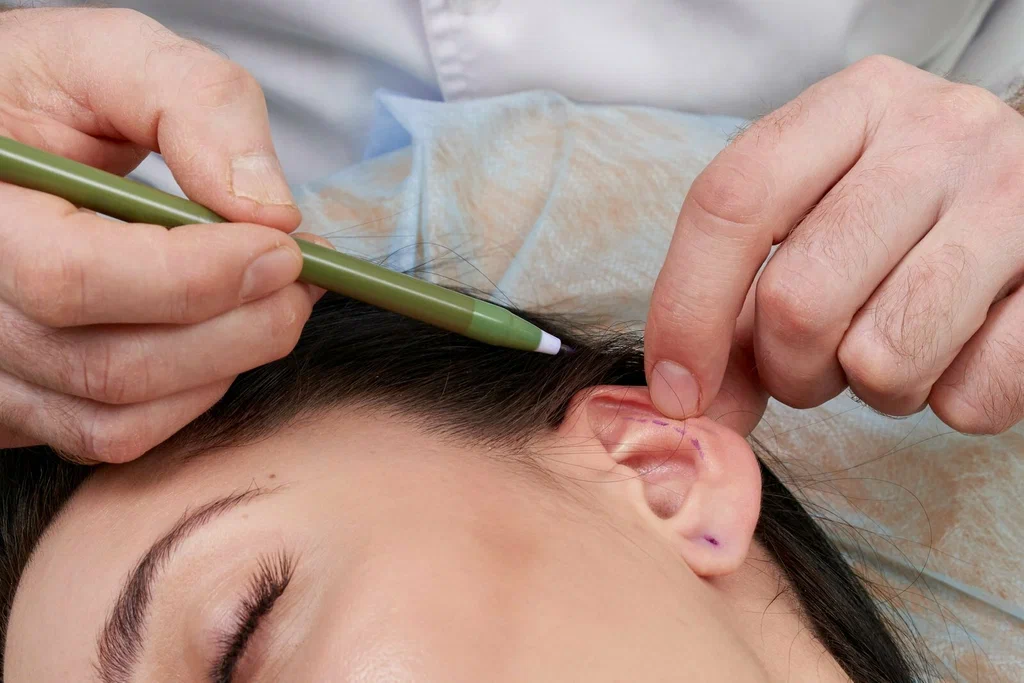
Otoplasty vs. Ear Pinning: Understanding the Key Differences
When individuals begin researching ways to alter the appearance of their ears, they often encounter two terms used almost interchangeably: otoplasty and ear pinning. While they are closely related, understanding the nuances between them is essential for anyone considering a transformation. For those exploring Ear Reshaping in Riyadh, distinguishing between a broad structural overhaul and a specific positional adjustment is the first step toward a successful outcome. Otoplasty serves as the "umbrella term" for a wide range of surgical interventions on the external ear, whereas ear pinning is a specific technique within that category. By diving into the technical and aesthetic differences, patients can better articulate their goals and choose the path that best aligns with their desired "new look."
Defining Otoplasty: The Comprehensive Approach
Otoplasty is the formal medical term for any surgical procedure intended to change the shape, position, or proportion of the ear. It is a highly versatile field of plastic surgery that addresses much more than just the angle at which an ear sits. A full otoplasty might involve significant cartilage removal, the creation of entirely new folds, or even the reconstruction of an ear that is underdeveloped from birth.
Think of otoplasty as the complete toolkit. It is the appropriate choice for patients dealing with complex structural issues like "macrotia" (excessively large ears), "lop ear" (where the top rim folds down), or "Stahl’s ear" (which creates a pointed appearance). Because it is a comprehensive term, an otoplasty can be as simple as a minor adjustment or as complex as a multi-stage reconstructive process.
Defining Ear Pinning: A Specific Solution
Ear pinning is a specific type of otoplasty—arguably the most famous one. Its primary goal is to address "prominent ears," which are ears that protrude significantly from the sides of the head. The technical name for this specific action is "setback otoplasty."
The focus of ear pinning is narrow: it aims to reduce the distance between the ear and the skull. This is typically achieved by manipulating the conchal cartilage (the bowl of the ear) or creating a more pronounced antihelical fold to pull the outer rim closer to the head. Unlike more extensive otoplasty procedures, ear pinning rarely involves changing the actual size or internal ridges of the ear; it simply changes the angle at which the ear is "pinned" to the head.
Key Differences in Surgical Technique
The technical execution varies depending on whether a patient needs general reshaping or simple pinning.
-
In Ear Pinning: The surgeon focuses on tension and placement. Using permanent internal sutures, the cartilage is pulled back and anchored. The procedure is often shorter because the existing structure of the ear is usually healthy and well-formed—it’s just positioned incorrectly.
-
In Comprehensive Otoplasty: The surgeon may need to "score" the cartilage to change its fundamental shape or remove sections of cartilage that are overdeveloped. If the ear is too large, skin and cartilage excision are required to reduce the overall footprint of the ear. This requires a deeper level of structural remodeling compared to the "fold and anchor" method of pinning.
Comparing Recovery and Downtime
While both procedures are typically performed on an outpatient basis, the recovery experience can differ slightly based on the complexity of the work performed.
For a standard ear pinning, the recovery is often very predictable. Because there is less tissue removal, swelling may subside more quickly. However, the requirement to wear a headband is just as strict, as the sutures need time to hold the ear in its new "setback" position. In a more complex otoplasty involving cartilage excision or earlobe reconstruction, the patient might experience a bit more bruising and a slightly longer period before the final refined shape is fully visible. In both cases, the absence of visible scarring remains a top priority, with incisions hidden behind the ear.
Which One Is Right for You?
Choosing between these two concepts depends entirely on the anatomical cause of your dissatisfaction. If your ears are perfectly shaped but simply "stick out," ear pinning is likely the specific technique you need. If your ears are flat against your head but you find them too large, or if the top rim lacks a natural curve, you require a more tailored otoplasty.
Many patients actually benefit from a combination of both. For instance, a surgeon might "pin" the ear back while simultaneously "reshaping" a thick earlobe or a flat rim to ensure the final result is balanced. This is why a consultation is vital; it allows for a professional assessment of whether the issue is one of position (pinning) or one of shape (otoplasty).
Results: Subtlety vs. Transformation
The results of ear pinning are often described as a "subtle transformation." People notice that you look better, but they can’t always put their finger on why—your ears simply stop being a focal point. A full otoplasty can result in a more dramatic change, especially if the size of the ears was significantly reduced or a deformity was corrected.
Regardless of the term used, the ultimate goal remains the same: creating a natural look that boosts confidence. Both procedures offer permanent results, meaning once the ears are reshaped or pinned, they stay that way for life. This durability makes both options an excellent investment for those who have spent years feeling limited by the appearance of their ears.
The Importance of Terminology
In the world of aesthetic surgery, clear communication is the key to satisfaction. While you might tell a friend you are getting your "ears pinned," your medical records will likely reflect "bilateral otoplasty." Understanding that ear pinning is just one specialized skill within the broader science of otoplasty helps you understand the expertise of your provider. Whether you need a simple adjustment of the angle or a sophisticated remodeling of the cartilage, modern techniques ensure that Ear Reshaping in Riyadh can be tailored precisely to your needs, leaving you with a profile that feels harmonious and authentically you.