English
 Arabic
 French
 Spanish
 Portuguese
 Deutsch
 Turkish
 Dutch
Dutch
 Italiano
 Russian
 Romaian
 Portuguese (Brazil)
 Greek
Greek
When Should a Lipoma Be Removed? Key Indicators for Surgery
Lipoma Treatment in Riyadh is typically a matter of choice rather than urgent medical necessity, but certain indicators signal that observation should transition into action. While these fatty lumps are benign, they are not always stagnant. A lipoma that remains small, soft, and painless can often be monitored indefinitely; however, when a growth begins to interfere with your daily comfort, physical function, or self-confidence, surgical intervention becomes the most effective path forward. Identifying the specific "tipping points"—such as changes in size, texture, or sensation—allows you to work with a professional to schedule a removal at the optimal time, ensuring the procedure remains as minimally invasive as possible.
Physical Indicators: Changes in Growth and Texture
The most significant clinical indicator for removal is a change in the lipoma’s natural behavior. Because lipomas are traditionally slow-growing, any sudden shift in their development warrants a professional evaluation.
-
Rapid Increase in Size: If a lipoma that has been stable for years suddenly doubles in size over a few months, it should be removed. Rapid growth can sometimes indicate that the lipoma has entered a more active phase, or in very rare cases, it may signal that the mass requires a more detailed pathological examination to rule out atypical fatty tumors.
-
Size Thresholds: In clinical practice, a lipoma reaching 5 centimeters (roughly the size of a golf ball) is often used as a benchmark for removal. Larger masses are more likely to be deeper and more complex to extract, so addressing them before they exceed this size often results in a smaller incision and a faster recovery.
-
Firmness or Reduced Mobility: A healthy lipoma should feel soft and slide easily under the skin (the "slip sign"). If the lump becomes hard, firm, or feels "fixed" to the underlying tissue, surgery is recommended to confirm the diagnosis and restore the natural flexibility of the skin.
Symptomatic Indicators: Pain and Nerve Compression
While the majority of lipomas are asymptomatic, pain is a primary "medical" indicator for surgery. If a fatty lump is no longer a silent passenger, it is likely impacting the surrounding anatomy.
-
The Angiolipoma Variant: If your lipoma is tender to the touch or causes a dull ache, it may be an angiolipoma—a variant that contains more blood vessels. These rarely resolve on their own and typically require excision to eliminate the chronic tenderness.
-
Neurological Symptoms: Lipomas that grow near sensory nerves can cause "pins and needles," numbness, or sharp, shooting pains. This nerve compression can lead to long-term discomfort if the pressure isn't relieved. Removing the mass decompressing the nerve, providing immediate relief from these neuropathic symptoms.
Functional Indicators: Interference with Movement
A lipoma's location is often just as important as its size. Even a small growth can become a major obstacle if it sits in a high-activity area of the body.
-
Joint Restriction: Lipomas located near the elbow, knee, or shoulder can catch during movement, limiting your range of motion or causing a "pinching" sensation during exercise.
-
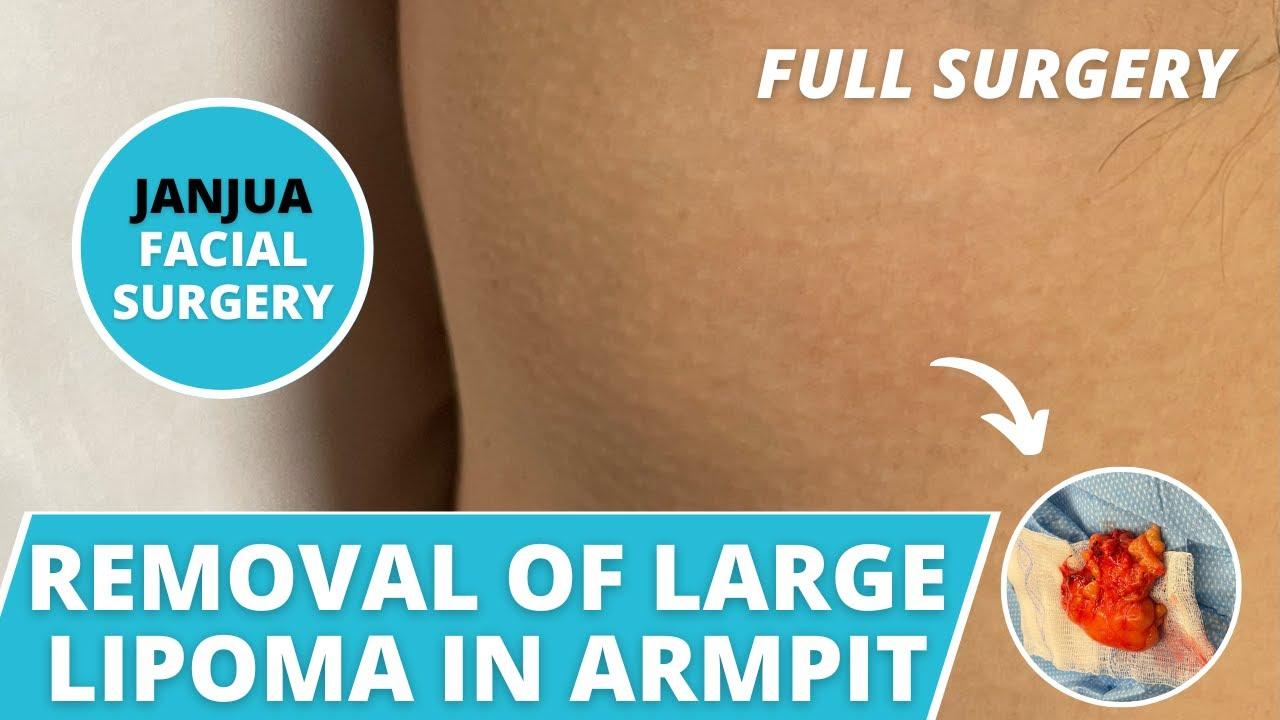
Friction and Irritation: Lumps situated along the waistline, undergarment lines, or in the armpit are subject to constant rubbing from clothing. This repetitive irritation can lead to skin inflammation and chronic soreness, making surgical removal a practical necessity for daily comfort.
Diagnostic Uncertainty and Peace of Mind
Sometimes, the most compelling reason for surgery is not what the lipoma is doing, but what it could be. While a professional can often diagnose a lipoma through a physical exam, absolute certainty is only achieved through removal and biopsy.
-
Ruling Out Malignancy: Although rare, some malignant tumors (like liposarcomas) can mimic the appearance of a benign lipoma. If there is any diagnostic doubt due to the lump's depth or unusual features on an ultrasound, removing the mass provides a definitive answer.
-
Eliminating Anxiety: For many patients, the "ongoing worry" of having an undiagnosed lump is a significant psychological burden. Removing the lipoma provides lasting peace of mind, ending the need for constant self-monitoring and periodic imaging.
Cosmetic and Psychological Factors
In modern aesthetic medicine, the impact of a growth on a patient's self-image is recognized as a valid indicator for surgery. A visible lipoma on the forehead, neck, or forearm can be a constant source of self-consciousness.
-
Restoring Symmetry: Large or multiple lipomas can visibly distort the natural contours of the limbs or trunk. Removing them restores facial and bodily symmetry, which can have a profound impact on self-esteem.
-
Professional Presence: For individuals in public-facing or high-stakes professional roles, a visible lump can be a distraction. Surgery allows these individuals to present themselves with a polished, confident appearance that aligns with their professional identity.
Proactive Management for Better Outcomes
Ultimately, the best time to remove a lipoma is when it is small and superficial. Waiting until a growth becomes "giant" or severely painful often makes the surgical process more complex and may require a longer recovery period. By recognizing these key indicators—pain, rapid growth, functional interference, or significant aesthetic impact—you can take control of the situation.
Modern Lipoma Treatment in Riyadh focuses on "minimal-access" techniques that prioritize both medical efficacy and cosmetic excellence. Whether you are seeking relief from a "nerve pinch" or simply want to restore a smooth profile, choosing to remove a lipoma when these indicators appear ensures a safe, successful, and permanent resolution to the issue. Taking a proactive stance allows you to move forward with the comfort and confidence of a healthy, lump-free body.