English
 Arabic
 French
 Spanish
 Portuguese
 Deutsch
 Turkish
 Dutch
Dutch
 Italiano
 Russian
 Romaian
 Portuguese (Brazil)
 Greek
Greek
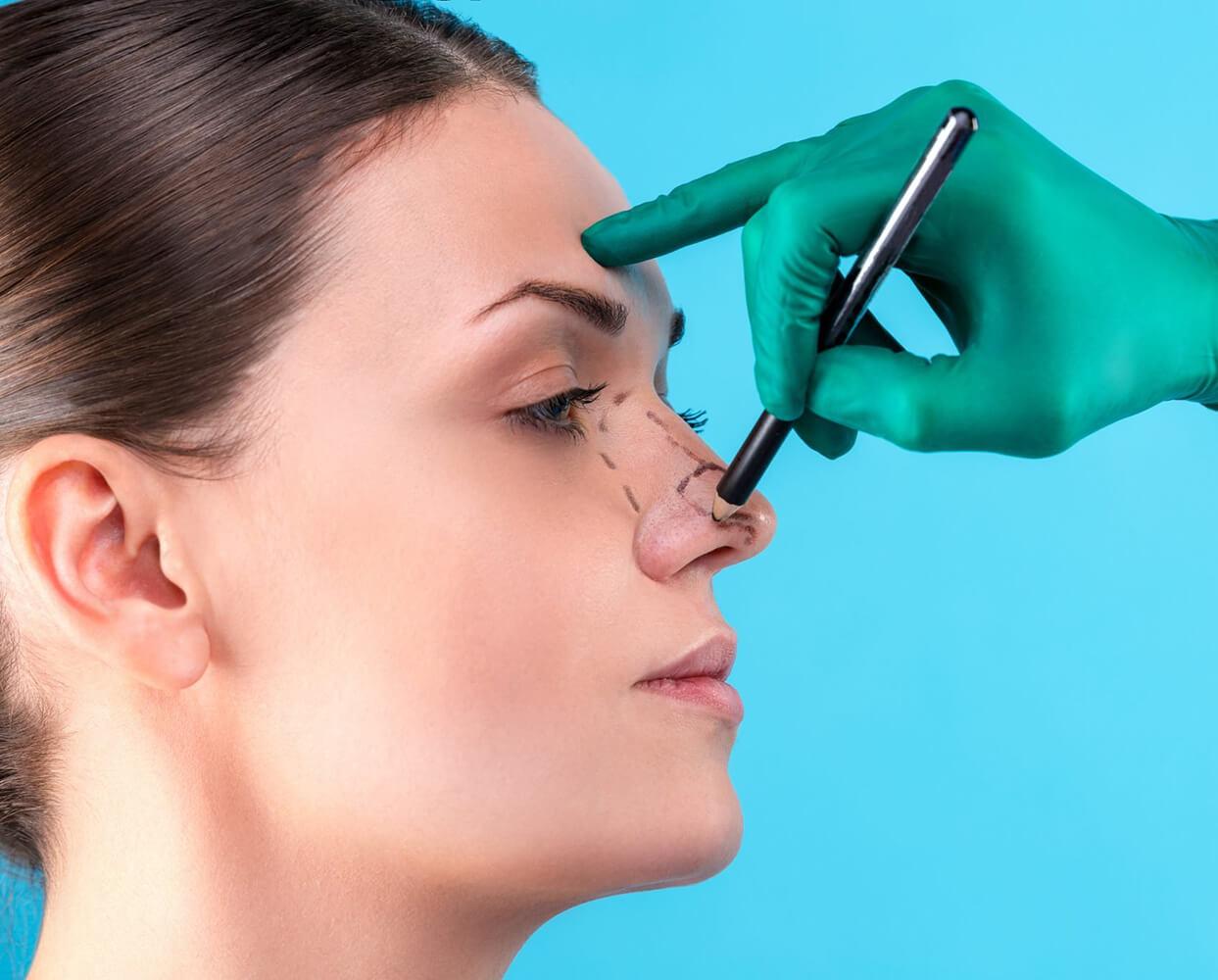
How Long Rhinoplasty Results Last
Rhinoplasty is a surgical procedure that reshapes the nose for cosmetic or functional reasons. One of the most common questions people ask before undergoing the procedure is how long the results will last. In most cases, rhinoplasty provides long-lasting or permanent changes because it permanently alters the bone and cartilage structure of the nose. However, the timeline for final results and the factors affecting longevity are important to understand. Rhinoplasty in Riyadh is a popular cosmetic procedure chosen by many individuals seeking to enhance facial harmony and improve nasal function.
Are Rhinoplasty Results Permanent?
In general, rhinoplasty results are considered permanent. This is because the surgeon reshapes the internal framework of the nose, which is made up of bone and cartilage. Once these structures are adjusted and healed, they do not naturally return to their original shape.
However, while the structural changes are permanent, the nose can still undergo subtle changes over time due to aging or external factors. These changes are usually gradual and not dramatic.
When Do Final Results Appear?
Although the surgical changes are permanent, the final appearance of the nose does not become visible immediately. Healing takes time, and swelling must fully resolve before the final shape is seen.
The typical timeline is:
- First few weeks: noticeable swelling and bruising
- 1–3 months: significant improvement in shape
- 6–12 months: most swelling has resolved
- Up to 18 months: final refined result, especially in thick skin cases
During this period, the nose gradually becomes more defined as tissues settle.
Factors That Affect Long-Term Results
Several factors influence how stable and lasting rhinoplasty results will be over time.
1. Surgical Technique
A well-performed rhinoplasty using proper structural support techniques is more likely to produce stable long-term results. If the nasal framework is not properly supported, there may be a risk of subtle shape changes over time.
2. Healing Process
Every individual heals differently. Some people develop more scar tissue or experience more swelling, which can slightly influence the final shape. Proper healing care improves long-term outcomes.
3. Skin Thickness and Quality
Skin type plays an important role in how the nose settles after surgery:
- Thin skin may show subtle irregularities more clearly
- Thick skin may take longer to refine but can provide stable coverage
- Medium skin usually adapts well to structural changes
Natural Aging Effects on the Nose
Even after rhinoplasty, the nose continues to age naturally along with the rest of the face. Over many years, subtle changes may occur, such as:
- Slight drooping of the nasal tip
- Minor loss of skin elasticity
- Small changes in cartilage support
These changes are part of the normal aging process and are not caused by surgery itself. However, the overall shape created by rhinoplasty generally remains intact.
Can the Nose Change After Rhinoplasty?
While results are long-lasting, certain factors can still affect the nose after surgery:
Trauma or Injury
A direct injury to the nose after healing can alter its shape, especially if it affects bone or cartilage.
Weight Fluctuations and Aging
Although weight changes do not directly affect bone structure, overall facial aging can influence how the nose appears in relation to other features.
Scar Tissue Formation
In some cases, internal scar tissue can slightly modify the final contour during healing, but this usually stabilizes over time.
Revision Rhinoplasty and Longevity Concerns
In some situations, patients may choose revision rhinoplasty if they are not satisfied with their initial results or if structural changes develop over time. However, most people do not require additional surgery if the first procedure is successful and healing goes well.
Revision surgery is usually considered only when:
- There are functional breathing issues
- Significant asymmetry develops
- Aesthetic concerns remain after full healing
How to Maintain Long-Lasting Results
While rhinoplasty results are permanent, proper care helps maintain them:
- Avoid trauma or pressure on the nose
- Follow all post-operative instructions carefully
- Attend follow-up appointments
- Maintain overall skin health and facial care
Good surgical technique combined with proper aftercare ensures the most stable and lasting outcome.
Conclusion
Rhinoplasty results are generally permanent because the procedure reshapes the underlying bone and cartilage structure of the nose. While the final appearance takes several months to fully develop, the changes are long-lasting and continue to hold for many years. Natural aging may cause subtle differences over time, but the core improvements from surgery remain stable. With proper technique, healing, and care, rhinoplasty can provide lasting results that enhance both appearance and facial balance for life.