English
 Arabic
 French
 Spanish
 Portuguese
 Deutsch
 Turkish
 Dutch
Dutch
 Italiano
 Russian
 Romaian
 Portuguese (Brazil)
 Greek
Greek
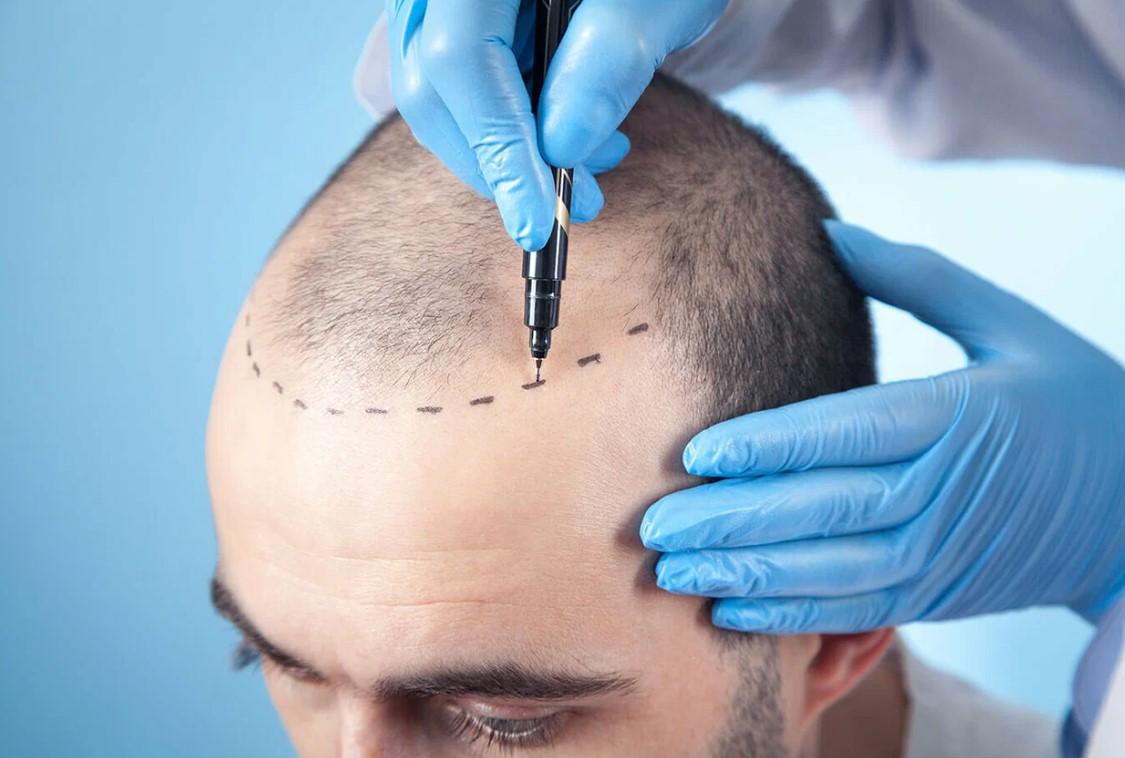
Does Insurance Cover Hair Transplant Cost in Riyadh?
In most cases, insurance does not cover hair transplant procedures in Riyadh because they are classified as cosmetic or elective treatments rather than medically necessary surgeries. This means patients are usually required to pay the full cost out of pocket. Understanding the factors behind Hair transplant cost in Riyadh can help you plan your budget and choose the right treatment options.
Why Insurance Usually Does Not Cover Hair Transplants
Health insurance providers in Saudi Arabia typically follow a strict definition of medical necessity. Hair loss treatments such as hair transplants are generally considered procedures that improve appearance rather than treat urgent or life-threatening conditions.
For this reason, standard insurance plans exclude them from coverage. Even comprehensive health policies usually list cosmetic procedures as non-covered services, which includes hair restoration for pattern baldness.
Situations Where Insurance May Provide Coverage
Although rare, there are specific medical situations where insurance may partially or fully cover a hair transplant. These cases usually involve reconstructive rather than cosmetic needs.
1. Hair loss due to trauma or injury
If hair loss occurs because of accidents, burns, or scalp injuries, the procedure may be classified as reconstructive surgery.
2. Medical conditions causing permanent hair loss
Certain conditions that result in scarring or permanent hair damage may qualify for partial coverage if properly documented by a specialist.
3. Post-surgical or medical treatment hair loss
In some cases, hair loss caused by treatments such as radiation therapy or major surgical procedures may be considered for coverage.
Even in these cases, approval is not guaranteed and depends on the insurance provider’s assessment and pre-authorization process.
Why Cosmetic Procedures Are Excluded
Insurance companies exclude cosmetic hair transplants for several reasons:
- They are not medically urgent
- They are considered elective procedures
- They do not treat life-threatening conditions
- They fall under aesthetic improvement rather than medical necessity
Because of these factors, hair transplant procedures for male or female pattern baldness are almost always excluded from standard insurance coverage.
What Patients in Riyadh Usually Do Instead
Since insurance coverage is rare, most patients use alternative payment methods to manage the cost of hair transplants in Riyadh.
Self-payment
Most patients pay directly for the procedure, which typically ranges between SAR 8,000 and SAR 40,000 depending on graft count and technique.
Installment plans
Many clinics offer monthly installment options, allowing patients to spread the cost over several months or years.
Medical financing or personal loans
Some patients use bank loans or financing programs to cover the full cost of the procedure and repay it over time.
Key Considerations Before Assuming Coverage
Before relying on insurance, patients should:
- Check their specific policy details carefully
- Confirm coverage with the insurance provider directly
- Obtain medical documentation if the case involves trauma or reconstruction
- Request pre-authorization to avoid unexpected denials
Assuming coverage without confirmation can lead to unexpected out-of-pocket expenses.
Conclusion
Hair transplant procedures in Riyadh are generally not covered by insurance because they are considered cosmetic treatments. Only rare cases involving trauma, burns, or medically documented conditions may qualify for partial reimbursement, and even then approval is not guaranteed.
Most patients therefore rely on self-payment, clinic installment plans, or medical financing options to manage the cost. Understanding this in advance helps avoid confusion and allows for better financial planning before undergoing the procedure.