English
 Arabic
 French
 Spanish
 Portuguese
 Deutsch
 Turkish
 Dutch
Dutch
 Italiano
 Russian
 Romaian
 Portuguese (Brazil)
 Greek
Greek
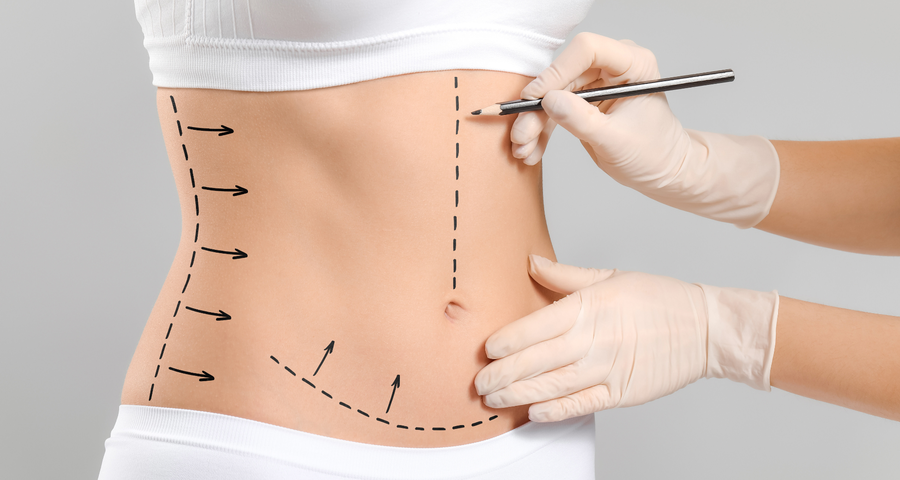
Compression Garments After Liposuction in Riyadh
Compression garments are a key part of recovery after liposuction. They are specially designed medical garments worn over treated areas to support healing, control swelling, and help the body adapt to its new shape. In modern cosmetic clinics in Riyadh, wearing compression garments is considered a standard and essential part of post-operative care. Liposuction in Riyadh is a popular cosmetic procedure chosen by many people seeking body contouring and fat reduction.
Although liposuction removes fat cells immediately, the final body shape develops gradually. Compression garments play an important role in guiding this healing process.
Why Compression Garments Are Important
After liposuction, the body naturally responds with swelling, fluid buildup, and mild inflammation. Compression garments help manage these effects by applying steady pressure to the treated areas.
This consistent pressure helps:
- Reduce swelling by limiting fluid accumulation
- Minimize bruising by supporting small blood vessels
- Improve skin retraction over the new body contour
- Reduce the risk of fluid pockets (seroma)
- Support comfort during movement and healing
Without proper compression, swelling can last longer and the skin may not settle evenly over the treated area.
How Compression Garments Work
Compression garments work by applying controlled, uniform pressure to the body. This pressure helps push excess fluid into the lymphatic system, where it can be naturally drained by the body.
At the same time, the garment keeps the skin close to the underlying tissues. This allows the skin to adapt smoothly to the new contour after fat removal.
Medical-grade compression is typically designed to provide consistent support without restricting blood flow when properly fitted. The balance between snugness and comfort is important for safe healing.
Types of Compression Garments Used After Liposuction
Different types of garments are used depending on the treated area:
Abdominal binders and full-body garments
These are commonly used after abdominal, waist, or full-body liposuction. They help shape the midsection and support core areas.
Arm sleeves
Used when fat is removed from the upper arms, helping reduce swelling and maintain a smooth arm contour.
Thigh or leg garments
Designed for lower body liposuction, these garments support the thighs, hips, and sometimes the lower abdomen.
Facial compression garments
Used after chin or neck liposuction to reduce swelling and improve jawline definition.
In clinics across Riyadh, garment type is selected based on the exact treatment plan and body areas involved.
How Long Compression Garments Are Worn
The duration of use depends on the extent of liposuction and the surgeon’s recommendation, but a general pattern is followed.
In most cases:
- First 1–2 weeks: Worn almost continuously, day and night
- Weeks 3–6: Continued use with gradual reduction in hours
- After 6 weeks: Sometimes light support garments are used during the day
Consistent use during the early phase is especially important because swelling is highest during this period.
Proper Fit and Comfort
A compression garment must fit correctly to be effective. If it is too loose, it will not provide enough support. If it is too tight, it may cause discomfort, restrict movement, or interfere with circulation.
A properly fitted garment should feel snug but still allow normal breathing and light movement. Many patients are advised to have more than one garment so one can be worn while the other is washed.
Breathable, stretchable materials are preferred to reduce irritation during long hours of wear.
Benefits During Recovery
When used correctly, compression garments significantly improve the healing process.
Key benefits include:
- Faster reduction of swelling and bruising
- More even and smoother body contours
- Better skin tightening after fat removal
- Reduced discomfort during daily movement
- Lower risk of fluid buildup under the skin
These benefits contribute to a more predictable and refined final result.
Common Challenges During Use
Although highly beneficial, compression garments can feel uncomfortable at first. Some people experience heat, tightness, or mild irritation during the early recovery phase.
These challenges are usually temporary and improve as the body adjusts. Choosing the correct size and fabric can make a significant difference in comfort.
Regular cleaning and alternating garments also help maintain hygiene and reduce skin irritation during extended wear.
Role in Final Liposuction Results
Compression garments do not remove fat themselves, but they strongly influence how the final body shape develops.
They help ensure that:
- Skin settles evenly over the treated area
- Swelling reduces in a controlled way
- The new contour remains smooth and defined
In aesthetic practices in Riyadh, post-operative compression is considered essential for achieving consistent and natural-looking outcomes.
Conclusion
Compression garments are a crucial part of liposuction recovery. They support the body as it heals, reduce swelling, and help shape the final result. In Riyadh, their use is standard practice in cosmetic procedures and is tailored to each patient’s treatment plan.
When worn correctly and consistently, compression garments improve co