 English
 Arabic
 French
 Spanish
 Portuguese
 Deutsch
 Turkish
 Dutch
Dutch
 Italiano
 Russian
 Romaian
 Portuguese (Brazil)
 Greek
Greek
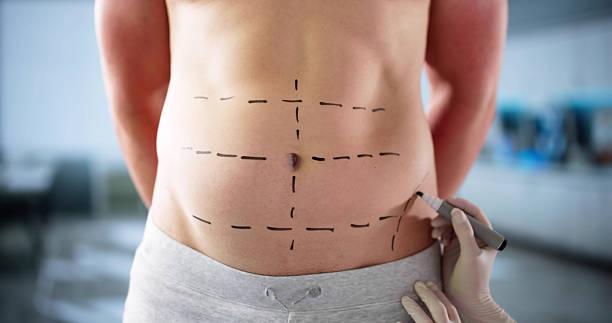
Preparing for Tummy Tuck Surgery in Dubai is a phase that balances logistical planning with physical optimization. While the surgical team handles the technical precision of the procedure, your primary role is to create an internal environment that supports rapid tissue repair. Many patients find that the more prepared they are, the lower their anxiety levels become as the surgery date approaches.
We observe that the most successful outcomes are achieved when patients treat the weeks leading up to surgery as a "training period." This isn't just about clearing your calendar; it is about priming your immune system and stabilizing your vascular health. Our focus is on providing a structured roadmap that ensures nothing is left to chance, allowing you to walk into the clinic feeling physically strong and mentally calm.
Essential Medical Evaluations and Lab Tests
Before any major surgical intervention, a comprehensive "snapshot" of your current health is required. This ensures that your body can safely manage general anesthesia and the inflammatory demands of healing.
-
Full Blood Count (CBC): We check for anemia or signs of infection. If your iron levels are low, we may suggest supplements, as healthy red blood cells are vital for carrying oxygen to your healing tissues.
-
Coagulation Profile: This test assesses how well your blood clots. It is a critical safety measure to minimize the risk of excessive bleeding during the procedure.
-
EKG/ECG: For patients over a certain age or with specific health histories, a heart tracing ensures your cardiac function is robust enough for surgery.
-
Pregnancy Test: For female patients of childbearing age, a routine test is performed to ensure the safety of both the patient and any potential pregnancy.
Necessary Lifestyle and Dietary Adjustments
What you put into your body in the weeks before Tummy Tuck Surgery in Dubai acts as the "building blocks" for your new abdominal wall.
-
Prioritize Protein: We recommend increasing lean protein intake (chicken, fish, beans) 14 days before surgery. Protein is essential for the production of collagen and the repair of muscle fibers.
-
Anti-Inflammatory Focus: Incorporate foods rich in Vitamin C and Zinc, such as citrus fruits, leafy greens, and nuts. These micronutrients are the "engine" of the wound-healing process.
-
Hydration Strategy: Aim for 2–3 liters of water daily. Hydrated skin is more elastic and resilient, which helps the surgical site settle more smoothly.
-
Salt Reduction: Lowering your sodium intake 7 days prior can help minimize the amount of initial post-operative swelling (edema) you experience.
The "Forbidden" List: What to Avoid
Certain substances can silently complicate surgery or slow down your recovery. We observe that strict avoidance is the best policy for a complication-free journey.
-
Nicotine and Tobacco: This is non-negotiable. Nicotine constricts blood vessels, which can lead to skin death (necrosis) at the incision site. You must stop all nicotine products at least 4–6 weeks before surgery.
-
Blood Thinners and Supplements: Avoid aspirin, ibuprofen, fish oil, and Vitamin E for two weeks prior. These can increase bruising and the risk of hematoma.
-
Alcohol: Stop alcohol consumption at least 48–72 hours before surgery. Alcohol dehydrates the tissues and can interfere with the way your liver processes anesthesia.
-
Garlic and Herbal Teas: Some herbs can increase bleeding risks. It is best to stick to a simple, whole-food diet in the final week.
Mental and Home Preparation: The Comfort Zone
The "mental game" of surgery is just as important as the physical. We find that a "low-stress" home environment leads to a more relaxed recovery.
How do I mentally prepare for a tummy tuck?
Acknowledge that for the first few days, you will be dependent on others. This can be difficult for active, independent individuals. We suggest setting small, non-physical goals for your first week—such as finishing a book or a series—to keep your mind engaged while your body rests.
How should I set up my recovery area?
-
Pillow Fortress: You will need several pillows to keep your back and knees elevated in a "V" shape.
-
Accessibility: Place your medications, water bottle, phone charger, and remote within arm's reach so you don't have to strain your abdominal muscles to reach them.
-
Clothing: Prepare loose, front-opening clothes (like button-down pajamas). You will not want to pull anything over your head for the first week.
The Final 24 Hours: Day-Before Tips
As you reach the finish line of your preparation, the final steps are focused on hygiene and safety.
-
Fast Strictly: Do not eat or drink anything (including water, gum, or mints) after midnight on the night before your surgery. This is vital for anesthesia safety.
-
Antibacterial Shower: Use a surgical-grade soap (like Hibiclens) to wash your abdomen. This significantly lowers the count of bacteria on your skin, reducing infection risk.
-
Remove Extras: Ensure all jewelry, piercings, nail polish, and contact lenses are removed before you arrive at the clinic.
-
Early Sleep: Try to get a full 8 hours of rest. Your body does its best work when it isn't entering surgery in a state of exhaustion.
Frequently Asked Questions
Can I take my regular medications on the morning of surgery?
Only those explicitly cleared by your surgeon or anesthesiologist. If cleared, you should take them with the smallest possible sip of water. Never assume a "natural" supplement or daily pill is safe without checking first.
Why must I remove my nail polish?
We use a pulse oximeter (a small clip on your finger) to monitor your oxygen levels during surgery. Nail polish, especially dark colors or gels, can interfere with the sensor’s ability to get an accurate reading.
What happens if I get a cold or flu right before surgery?
Contact us immediately. We observe that operating while the immune system is fighting a virus increases the risk of lung complications and delayed healing. It is always safer to reschedule by a week or two until you are 100% healthy.
Do I need to shave my stomach before I arrive?
No. In fact, we prefer that you do not shave the area within 48 hours of surgery. Shaving can cause micro-nicks in the skin that harbor bacteria. If hair removal is needed, the surgical team will handle it in a sterile environment.
Who should I bring with me on the day of surgery?
You must have a responsible adult who can drive you home and, ideally, stay with you for the first 24 to 48 hours. You will be groggy from the anesthesia and will need help with basic tasks like standing up or getting a drink of water.
Why Choose Us
At Tajmeels Clinic, we believe that an informed patient is a safe patient. Our approach to Tummy Tuck Surgery in Dubai is built on meticulous preparation and clear communication. We provide you with a personalized pre-op plan that addresses your specific health needs and lifestyle. Our team is always available to answer your questions, ensuring that you feel supported from the moment you book your consultation until you are fully recovered. By choosing us, you are opting for a medical partner that values precision, safety, and your ultimate peace of mind.
