English
 Arabic
 French
 Spanish
 Portuguese
 Deutsch
 Turkish
 Dutch
Dutch
 Italiano
 Russian
 Romaian
 Portuguese (Brazil)
 Greek
Greek
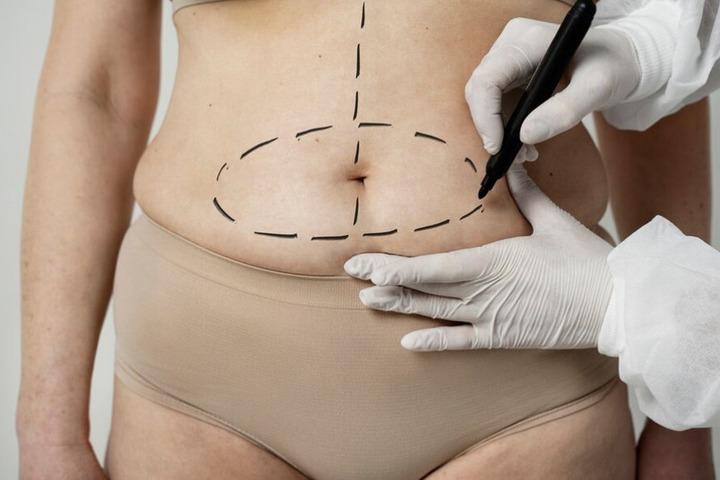
Anatomy of a Transformation: Understanding the Lipo Abdominoplasty Procedure
Lipo Abdominoplasty in Riyadh is a sophisticated architectural redesign of the midsection that respects the body's biological map while delivering a high-definition, athletic result. Unlike older techniques that relied on broad tissue detachment, modern lipo abdominoplasty is a masterclass in vascular and structural preservation. By understanding the "anatomy of the transformation," patients can appreciate how surgeons in the Saudi capital are able to carve away stubborn fat and excise loose skin while maintaining the health and vitality of the abdominal wall. This procedure doesn't just change how you look; it fundamentally reorganizes the layers of your torso to create a chiseled foundation that is as functional as it is aesthetic.
Step 1: Vascular-Sparing Liposuction (The Sculpting Phase)
The transformation begins with specialized liposuction that acts as both a thinning agent and a mobility tool.
-
Selective Tunneling: Instead of lifting the skin flap entirely, the surgeon uses liposuction cannulas to create "tunnels" through the fat. This is a critical anatomical choice that preserves the perforator blood vessels (branches of the deep epigastric system).
-
Vascular Health: By leaving approximately 80% of these vessels intact, the skin remains healthy and oxygenated. This significantly reduces the risk of tissue necrosis and promotes a much faster internal healing process.
-
Tissue Mobilization: The act of thinning the fat layer makes the abdominal "envelope" more pliable. This allows the skin to be pulled downward with much less tension, which is a key scientific factor in creating a thinner, more discreet scar.
Step 2: The Midline Tunnel and Muscle Plication
Once the fat layer is thinned, the surgeon moves to the structural core of the abdomen.
-
The Vertical Corridor: A narrow tunnel is created along the vertical midline, moving from the pubic bone toward the xiphoid process (the bottom of the breastbone). This tunnel is kept as narrow as possible to further protect the lateral blood supply.
-
Restoring the Frame: Through this corridor, the surgeon addresses diastasis recti. Using permanent, high-strength sutures, the separated abdominal muscles are brought back together. This creates a firm, flat "internal corset" that permanently eliminates the forward bulge of the stomach.
-
Defining the "V-Line": By narrowing the muscle wall, the surgeon establishes the base for the chiseled waistline that is the hallmark of this procedure.
Step 3: Skin Redraping and Umbilicoplasty
The final anatomical adjustments involve the "re-draping" of the thinned skin.
-
Excision of the "Apron": The excess skin and fat that were pulled downward are surgically removed. Because the skin was thinned during the lipo phase, it conforms more naturally to the new muscular frame.
-
Neo-Umbilicoplasty: As the skin is tightened, the belly button must be repositioned. The surgeon creates a small, precise opening in the new abdominal skin and sutures the original belly button into place. In Riyadh’s premier clinics, great care is taken to ensure the navel looks youthful, hooded, and entirely natural.
-
Tension-Free Closure: The incision is closed in multiple layers. By using deep "tension-reducing" sutures (often called Scarpa's fascia sutures), the surgeon ensures that the top layer of skin is under minimal stress, which is the secret to a high-quality, flat scar.
The Biological "Shrink-Wrap" Effect
Following the surgery, the body enters a phase of tissue remodeling. The liposuction phase leaves behind a network of connective tissue fibers that act like a "scaffold." As you heal, the skin adheres to the newly tightened muscle layer, creating a "shrink-wrap" effect. This biological bond ensures that the chiseled contours of the muscles remain visible and that the abdomen remains flat and toned for years to come.
Why Anatomical Precision Matters
Understanding this procedure reveals that Lipo Abdominoplasty in Riyadh is far more than a "tummy tuck." it is a high-precision surgery that prioritizes the body’s natural circulation and structural integrity. By respecting the intricate network of vessels and nerves, surgeons can achieve a more dramatic, athletic, and permanent transformation. This anatomical approach is what allows patients to walk away with a midsection that isn't just "smaller," but is truly chiseled, healthy, and restored.