English
 Arabic
 French
 Spanish
 Portuguese
 Deutsch
 Turkish
 Dutch
Dutch
 Italiano
 Russian
 Romaian
 Portuguese (Brazil)
 Greek
Greek
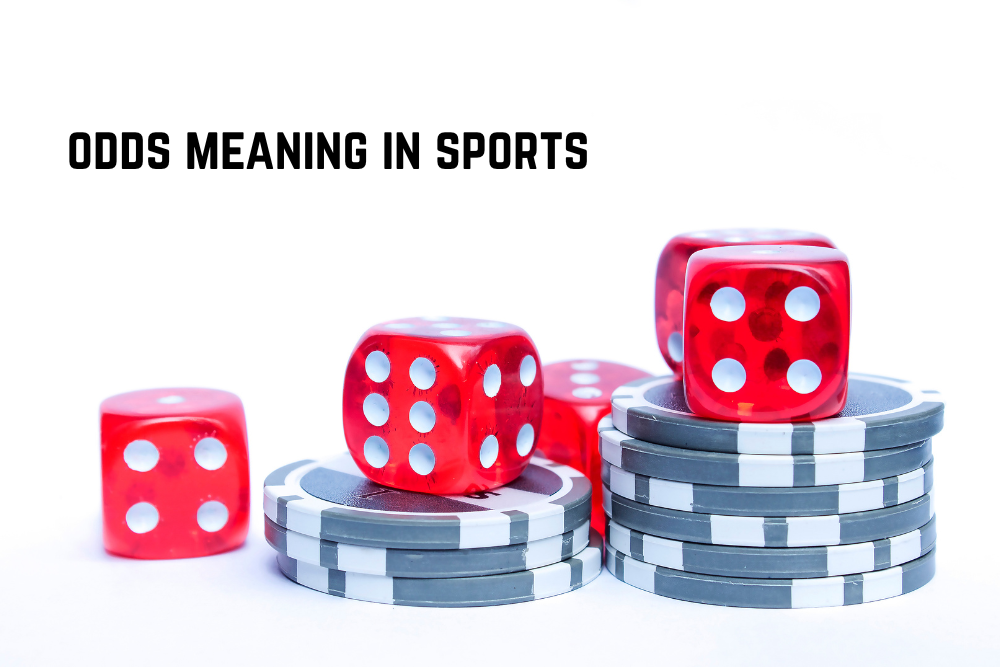
Sports odds are not just random numbers; they are carefully calculated by bookmakers using statistics, team performance, player conditions, and public betting behavior. Understanding these odds is essential for anyone who wants to engage in sports betting intelligently rather than relying on pure luck.
Odds in sports represent the probability of a specific outcome occurring in a game or event. They are the foundation of sports betting and help determine how much money a bettor can win based on their wager. In simple terms, odds tell you two things: how likely something is to happen and how much you stand to gain if your prediction is correct.
Why Odds Matter in Sports Betting
Odds play a crucial role because they directly affect both risk and reward. They help bettors decide whether a bet is worth placing and allow them to compare different betting options. If you misunderstand odds, you may end up placing bets that look attractive but actually offer poor value.
For example, a team with low odds is considered more likely to win, but the payout will also be smaller. On the other hand, higher odds indicate a less likely outcome but offer a bigger potential reward. This balance between risk and return is what makes sports betting both exciting and strategic.
Types of Odds in Sports
There are three main types of odds used globally. Each format presents the same information but in a different way.
Fractional Odds
Fractional odds are commonly used in the UK and are written as fractions like 5/1 or 10/3. The first number represents the profit you make, while the second number shows your stake.
For example, if the odds are 5/1, you win 5 units for every 1 unit you bet, plus your original stake back. These odds are straightforward once you understand the ratio, but they can be confusing for beginners at first glance.
Decimal Odds
Decimal odds are popular in Europe, Australia, and Canada. They are written as numbers like 2.00, 1.50, or 3.75. This format is considered the easiest to understand because it shows the total payout rather than just the profit.
If you bet 100 units at odds of 2.00, your total return will be 200 units, including your original stake. This simplicity makes decimal odds a favorite among new bettors.
Moneyline Odds
Moneyline odds are widely used in the United States. They appear as positive or negative numbers, such as +200 or -150.
A positive number shows how much profit you make on a 100-unit bet. For instance, +200 means you win 200 units on a 100-unit stake. A negative number indicates how much you need to bet to win 100 units. For example, -150 means you must bet 150 units to win 100.
How Odds Reflect Probability
Odds are closely tied to probability, which is the likelihood of an event happening. Bookmakers convert probability into odds to make betting easier.
For example, if a team has a 50% chance of winning, the odds might be set around 2.00 in decimal format. However, bookmakers also include a margin to ensure they make a profit, which means the odds you see may not perfectly reflect the true probability.
Understanding this relationship helps bettors identify value bets—situations where the odds offered are higher than the actual probability of an event occurring.
Favorite vs Underdog
In any sports event, odds help identify the favorite and the underdog.
The favorite is the team or player expected to win and usually has lower odds. Betting on favorites is considered safer but offers smaller returns.
The underdog is less likely to win and comes with higher odds. While betting on underdogs is riskier, it can lead to larger payouts if the unexpected happens.
Recognizing this distinction is key to developing a balanced betting strategy.
How Bookmakers Set Odds
Bookmakers use a combination of data analysis, expert opinions, and market trends to set odds. They consider factors such as team performance, injuries, weather conditions, and historical data.
In addition, bookmakers adjust odds based on how people are betting. If too many bettors place money on one side, the bookmaker may change the odds to balance their risk. This dynamic nature of odds means they can change frequently before an event starts.
Reading Odds Correctly
Many beginners make mistakes because they don’t fully understand how to read odds. The key is to focus on both the implied probability and the potential payout.
Instead of just choosing the team with the highest odds, experienced bettors analyze whether the odds offer good value. This involves comparing the bookmaker’s odds with their own assessment of the event.
Common Mistakes When Understanding Odds
One common mistake is assuming that higher odds always mean a better bet. In reality, higher odds simply indicate lower probability, not necessarily better value.
Another mistake is ignoring the bookmaker’s margin, which can reduce potential profits over time. Some bettors also fail to compare odds across different platforms, missing out on better opportunities.
Lastly, emotional betting—such as always betting on your favorite team—can lead to poor decisions regardless of the odds.
Tips for Beginners
If you are new to sports betting, start by learning one odds format thoroughly before exploring others. Decimal odds are usually the easiest to understand.
Practice calculating potential returns so you become comfortable with how payouts work. Always set a budget and avoid chasing losses, as this can quickly lead to financial problems.
It is also helpful to follow sports closely and gather as much information as possible before placing a bet. Knowledge and discipline are just as important as understanding odds.
Conclusion
At 8-Bet, understanding the meaning of odds in sports is essential for anyone interested in sports betting. Odds are more than just numbers; they represent probability, risk, and potential reward. By learning how to read and interpret different types of odds, you can make more informed decisions and improve your overall betting strategy.
Whether you are a beginner or someone looking to refine your approach, mastering sports odds is the first step toward a smarter and more calculated betting experience.