English
 Arabic
 French
 Spanish
 Portuguese
 Deutsch
 Turkish
 Dutch
Dutch
 Italiano
 Russian
 Romaian
 Portuguese (Brazil)
 Greek
Greek
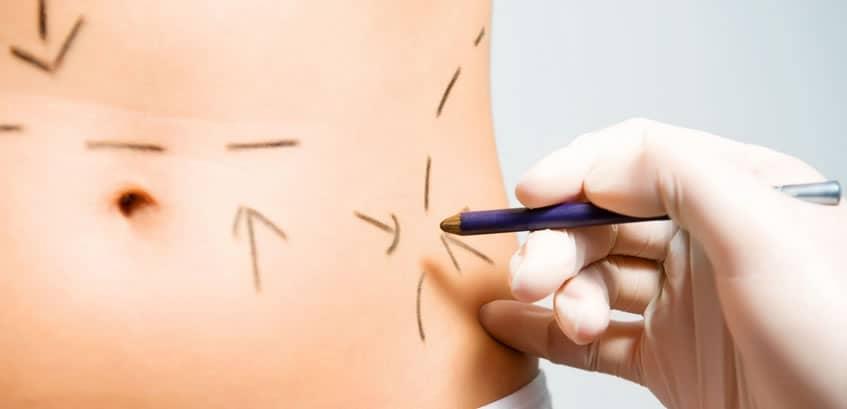
Mini Abdominoplasty Recovery: What You Need to Know
Undergoing a surgical refinement of the midsection is a significant step toward achieving a more confident version of yourself, but the success of the procedure depends heavily on the quality of your post-operative care. For those who have opted for a Mini Abdominoplasty in Riyadh, understanding the recovery process is essential for managing expectations and ensuring the best possible aesthetic outcome. While the "mini" version of the tummy tuck is celebrated for its localized nature and shorter recovery time compared to a full reconstruction, it still requires a disciplined approach to healing. Because the surgery involves tightening the lower abdominal muscles and removing excess skin, your body needs a structured environment to fuse these tissues securely. By following a guided recovery plan, you can navigate the initial stages of healing with comfort and move toward a firmer, flatter silhouette with confidence.
The First 48 Hours: Setting the Foundation
The immediate aftermath of a mini tummy tuck is a period dedicated to rest and stabilization. Most patients are able to return home the same day, but the first two days are critical for minimizing initial inflammation.
During this time, you will likely feel a significant amount of tightness in your lower abdomen. This sensation is normal and is a direct result of the muscle tightening and skin redraping. It is important to keep the torso slightly elevated while resting—often by using extra pillows—to reduce tension on the horizontal incision. While you will feel tired, gentle movement is actually encouraged. Taking short, slow walks from your bed to a chair helps maintain healthy circulation and prevents the risk of stiffness, which is a hallmark of the high-standard post-operative protocols in the capital.
The Role of Compression Therapy
One of the most vital components of your recovery journey is the use of a medical-grade compression garment. This specialized binder acts as a secondary support system for your newly contoured midsection.
-
Reducing Swelling: The garment provides constant, gentle pressure that helps the body reabsorb fluid, significantly shortening the "swelling" phase of your transformation.
-
Skin Adhesion: By keeping the skin held firmly against the underlying muscle wall, the garment ensures that the tissues heal in the correct position, preventing the formation of irregular contours.
-
Structural Support: For those who have had lower muscle repair, the binder provides a sense of security during movement, protecting the internal sutures as they begin to set.
Navigating the One-Week Milestone
By the end of the first week, most patients find that their initial discomfort has transitioned into a manageable soreness. This is often the point where you will have your first follow-up appointment to check the healing of the incision.
If your professional life involves a desk-based or non-strenuous routine, many individuals find they can return to work at this stage. However, it is important to remember that you are still in the early stages of internal healing. You should avoid any heavy lifting—including groceries or small children—and refrain from any activity that requires sudden twisting or bending at the waist. Your energy levels may still be slightly lower than usual, so prioritizing a protein-rich diet and staying well-hydrated is essential to provide your body with the fuel it needs for tissue repair.
Managing the Swelling "Rollercoaster"
A common part of the mini abdominoplasty journey that many don't expect is the fluctuating nature of swelling. You may notice that your stomach looks quite flat in the morning, only to appear slightly more "puffed" by the end of a busy day.
This is a completely normal physiological response that can persist for several weeks or even months. As your lymphatic system works to clear the residual fluid from the surgical site, the tissues will gradually settle. It is important to stay patient and avoid judging your final results during the first three months. By the twelve-week mark, the vast majority of the swelling will have dissipated, revealing the crisp, lean lines of your new lower abdominal profile.
Physical Activity and Exercise
Resuming a fitness routine is a top priority for many Riyadh residents, but it must be done with extreme caution. While walking is encouraged from day one, formal exercise requires a staggered approach.
-
Weeks 2-4: You can slowly increase the duration of your walks and potentially use a stationary bike at a low intensity. High-impact cardio should still be avoided.
-
Week 6: Most surgeons provide clearance to return to the gym for light weightlifting and more vigorous cardiovascular work.
-
Week 8 and Beyond: Once the internal muscle repair is fully fused, you can gradually reintroduce core-specific exercises, such as planks or light abdominal work. Always listen to your body; if a movement causes a "pulling" sensation or discomfort, it is a sign to scale back.
Long-Term Scar Management
The incision for a mini abdominoplasty is placed low enough to be hidden by most underwear styles, but ensuring it matures into a faint, discreet line requires proactive care. Once the incision has fully closed and the sutures are removed, you may be advised to start a scar management protocol. This often includes the application of silicone sheets or specialized gels, which help keep the area hydrated and flat. Protecting the area from direct sun exposure for the first year is also vital, as UV rays can cause the scar to darken permanently. With proper care, most surgical marks fade significantly over time, becoming nearly invisible against the natural skin tone.
Conclusion: A Disciplined Path to Results
Recovery from a mini tummy tuck is not just a period of waiting—it is an active phase of your transformation. By respecting the body’s need for rest in the early days and strictly adhering to the use of compression garments and activity limitations, you protect the investment you have made in your physique. The journey from the operating room to the final reveal requires patience, but the result is a firmer, more athletic midsection that enhances both your physical silhouette and your daily confidence. Following these professional standards for recovery ensures that your transition to a more toned version of yourself is as smooth and successful as possible.