English
 Arabic
 French
 Spanish
 Portuguese
 Deutsch
 Turkish
 Dutch
Dutch
 Italiano
 Russian
 Romaian
 Portuguese (Brazil)
 Greek
Greek
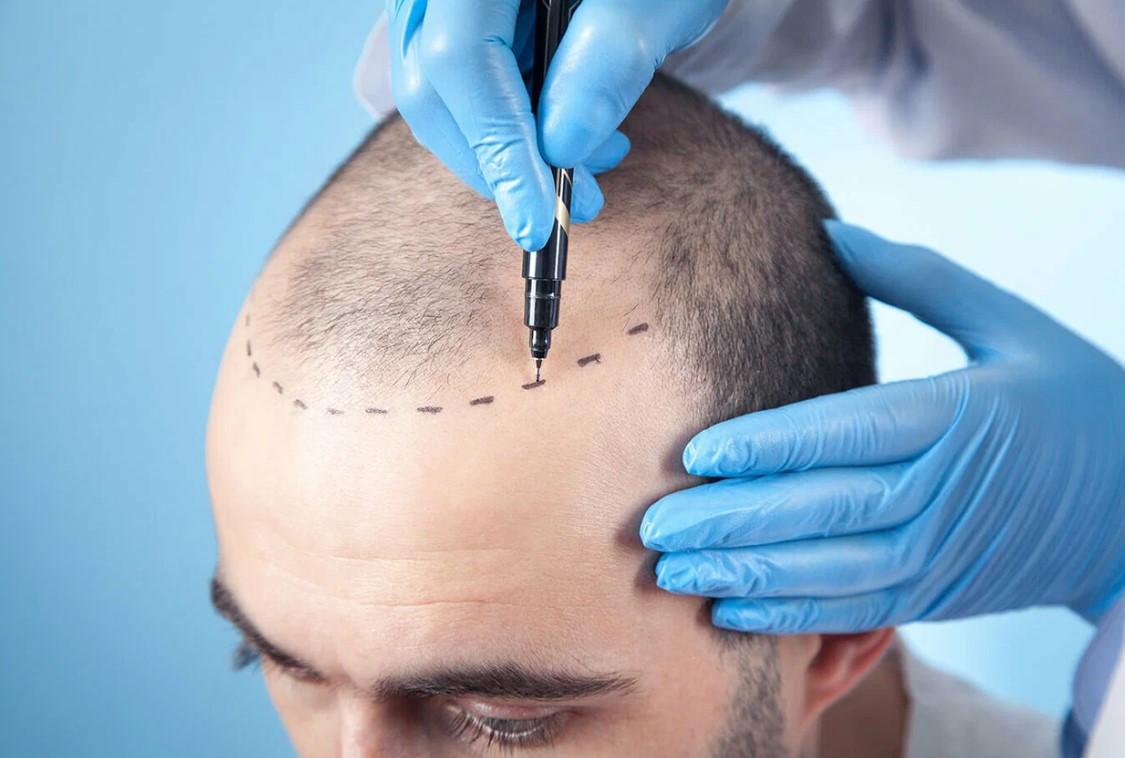
How Hair Transplant Procedures Work in Riyadh
Hair loss is a common concern for both men and women, and in recent years, hair transplant procedures in Riyadh have become one of the most popular and effective long-term solutions. Riyadh is now a leading destination for advanced hair restoration because of its modern clinics, skilled surgeons, and internationally recognized medical standards. Understanding how the procedure works helps patients make informed decisions before undergoing treatment. Hair transplant in Riyadh is becoming an increasingly popular solution for people seeking a permanent way to restore their natural hairline and confidence.
What Is a Hair Transplant?
A hair transplant is a minimally invasive surgical procedure that moves healthy hair follicles from one part of the scalp (called the donor area) to areas experiencing thinning or baldness (called the recipient area). The donor area is usually the back or sides of the head, where hair is genetically resistant to falling out.
The goal is simple: restore natural-looking hair growth that blends with existing hair and lasts permanently.
Step 1: Consultation and Scalp Evaluation
The process in Riyadh typically begins with a detailed consultation at a specialized clinic. During this stage, the doctor evaluates:
- Level and pattern of hair loss
- Density and quality of donor hair
- Medical history and scalp condition
- Patient expectations and desired hairline design
This step is essential because not everyone is an ideal candidate. Clinics in Riyadh often follow strict medical guidelines to ensure the donor area has enough healthy follicles for transplantation.
Once the evaluation is complete, the surgeon recommends the most suitable technique—usually FUE, FUT, or sometimes DHI.
Step 2: Choosing the Technique (FUE, FUT, or DHI)
FUE (Follicular Unit Extraction)
FUE is the most commonly used method in Riyadh. In this technique, individual hair follicles are extracted one by one using a micro-punch tool and then implanted into thinning areas.
Key benefits include:
- Minimal scarring (tiny dot marks)
- Faster recovery
- More natural-looking results
Because it is precise and time-consuming, FUE is often more expensive than older methods.
FUT (Follicular Unit Transplantation)
FUT involves removing a thin strip of scalp from the donor area. This strip is then divided into grafts and implanted into bald areas.
Key benefits include:
- More grafts in a single session
- Often more cost-effective
- Suitable for advanced hair loss
However, it may leave a linear scar and usually requires a longer healing period.
DHI (Direct Hair Implantation)
Some clinics in Riyadh also use DHI, an advanced variation of FUE. It allows direct implantation of follicles using special implanter pens, improving precision and density in some cases.
Step 3: Preparing for the Procedure
Before surgery, patients may be advised to:
- Avoid smoking and alcohol
- Stop certain medications (if instructed by the doctor)
- Wash and prepare the scalp
- Undergo basic blood tests
On the day of the procedure, the scalp is cleaned and local anesthesia is applied so the patient remains awake but comfortable throughout the session.
Step 4: Extracting Hair Follicles
Once the anesthesia takes effect, the surgeon begins extracting hair follicles from the donor area.
- In FUE: follicles are removed individually
- In FUT: a strip of scalp is removed and dissected into grafts
This stage can take several hours depending on the number of grafts required. Larger sessions may involve thousands of grafts for full coverage.
Step 5: Implanting Hair in Bald Areas
After extraction, the surgeon carefully creates tiny incisions in the recipient area and implants the grafts.
This is a highly important step because:
- Hair angle determines natural appearance
- Density affects fullness
- Hairline design impacts facial balance
Modern clinics in Riyadh focus heavily on creating a natural hairline that matches the patient’s age and facial structure.
Step 6: Recovery and Healing Process
Recovery after a hair transplant in Riyadh is generally straightforward:
- First 3–5 days: Mild swelling or redness
- 7–10 days: Scabs fall off naturally
- 2–4 weeks: Temporary shedding (normal phase)
- 3–6 months: New hair begins to grow
- 9–12 months: Full final results visible
Most patients return to work within a few days, depending on the technique used and individual healing speed.
Cost and Influencing Factors in Riyadh
The cost of hair transplant procedures in Riyadh varies widely, typically ranging from SAR 7,000 to SAR 40,000 depending on:
- Number of grafts needed
- Technique used (FUE, FUT, or DHI)
- Surgeon experience
- Clinic reputation and technology used
More advanced methods like DHI and high-density FUE tend to be on the higher end of the pricing range.
Why Riyadh Is a Popular Choice
Riyadh has become a major hub for hair restoration due to:
- High medical standards and regulation
- Experienced dermatologists and surgeons
- Modern equipment and techniques
- Strong focus on patient safety and hygiene
These factors make it a trusted destination for both local residents and medical tourists seeking reliable results.
Final Thoughts
Hair transplant procedures in Riyadh are well-structured, medically advanced, and designed to produce natural, long-lasting results. The process involves careful planning, precise follicle extraction, artistic implantation, and a gradual recovery period that leads to visible improvement within months.
For anyone considering the procedure, the most important step is choosing a qualified clinic and understanding which technique best suits their level of hair loss and expectations.