• E-Waste Recycling Plant Setup in India: Cost, Machinery & ROI

    With the increasing use of electronic devices such as smartphones, laptops, televisions, and home appliances, electronic waste (e-waste) is growing rapidly across India. Managing this waste responsibly has become a major environmental priority.

    E-waste recycling plants play a crucial role in recovering valuable materials from discarded electronics while preventing harmful substances from entering the environment. Because of the rising volume of electronic waste and stricter government regulations, starting an e-waste recycling plant in India is becoming a promising business opportunity for entrepreneurs and investors.

    Growing Demand for E-Waste Recycling in India
    India is among the fastest-growing generators of electronic waste in the world. Millions of electronic devices reach the end of their lifecycle every year, creating a huge demand for safe recycling and disposal.

    E-waste contains valuable metals and components that can be recovered through proper recycling processes, including:

    Copper
    Aluminium
    Gold
    Silver
    Palladium
    Recovering these materials helps reduce the need for mining and supports a circular economy where resources are reused efficiently.

    If you want to understand the complete cost, machinery requirements, licensing process, and expected return on investment, you can read the detailed guide here:

    https://www.greenpermits.in/e-waste-recycling-plant-cost-in-india-machinery-roi/

    Licenses and Compliance for E-Waste Recycling Plants
    Since electronic waste contains hazardous materials, recycling facilities must follow strict environmental regulations. Businesses planning to set up an e-waste recycling plant must obtain approvals from regulatory authorities such as CPCB and State Pollution Control Boards.

    Key approvals typically include:

    E-Waste Recycling Authorization from CPCB/SPCB
    Pollution Control Board Consent (CTE & CTO)
    Hazardous Waste Authorization
    Factory License
    Environmental clearance for large recycling facilities
    Proper compliance ensures safe waste handling, worker safety, and environmentally responsible recycling operations.

    Start Your E-Waste Recycling Plant with Expert Guidance
    Setting up an e-waste recycling plant involves technical planning, machinery selection, environmental approvals, and compliance with government regulations. Professional support can help simplify the process and ensure that your facility meets all regulatory requirements.

    Phone: +91 78350 06182

    Email: wecare@greenpermits.in

    Website: https://www.greenpermits.in

    Book a Consultation with Green Permits today and start your e-waste recycling business with complete regulatory compliance.

    E-Waste Recycling Plant Setup in India: Cost, Machinery & ROI With the increasing use of electronic devices such as smartphones, laptops, televisions, and home appliances, electronic waste (e-waste) is growing rapidly across India. Managing this waste responsibly has become a major environmental priority. E-waste recycling plants play a crucial role in recovering valuable materials from discarded electronics while preventing harmful substances from entering the environment. Because of the rising volume of electronic waste and stricter government regulations, starting an e-waste recycling plant in India is becoming a promising business opportunity for entrepreneurs and investors. Growing Demand for E-Waste Recycling in India India is among the fastest-growing generators of electronic waste in the world. Millions of electronic devices reach the end of their lifecycle every year, creating a huge demand for safe recycling and disposal. E-waste contains valuable metals and components that can be recovered through proper recycling processes, including: Copper Aluminium Gold Silver Palladium Recovering these materials helps reduce the need for mining and supports a circular economy where resources are reused efficiently. If you want to understand the complete cost, machinery requirements, licensing process, and expected return on investment, you can read the detailed guide here: 👉 https://www.greenpermits.in/e-waste-recycling-plant-cost-in-india-machinery-roi/ Licenses and Compliance for E-Waste Recycling Plants Since electronic waste contains hazardous materials, recycling facilities must follow strict environmental regulations. Businesses planning to set up an e-waste recycling plant must obtain approvals from regulatory authorities such as CPCB and State Pollution Control Boards. Key approvals typically include: E-Waste Recycling Authorization from CPCB/SPCB Pollution Control Board Consent (CTE & CTO) Hazardous Waste Authorization Factory License Environmental clearance for large recycling facilities Proper compliance ensures safe waste handling, worker safety, and environmentally responsible recycling operations. Start Your E-Waste Recycling Plant with Expert Guidance Setting up an e-waste recycling plant involves technical planning, machinery selection, environmental approvals, and compliance with government regulations. Professional support can help simplify the process and ensure that your facility meets all regulatory requirements. 📞 Phone: +91 78350 06182 📧 Email: wecare@greenpermits.in 🌐 Website: https://www.greenpermits.in Book a Consultation with Green Permits today and start your e-waste recycling business with complete regulatory compliance.
    WWW.GREENPERMITS.IN
    E-Waste Recycling Plant Cost in India: Machinery List, SPCB NOCs, EPR & ROI - Green Permits
    Detailed guide on e-waste recycling plant cost in India, machinery list, SPCB approvals, EPR compliance, and ROI insights. Book a consultation today.
    ·142 Views
  • Tyre Recycling Plant Setup in India: Cost, Licenses & Business Potential

    With the rapid growth of the automobile industry in India, millions of tyres reach the end of their life every year. Disposing of these tyres improperly can lead to serious environmental issues, including soil pollution, fire hazards, and long-term waste accumulation.

    This is why tyre recycling plants are becoming an important part of sustainable waste management. Recycling used tyres allows businesses to convert waste rubber into valuable products such as crumb rubber, tyre oil, carbon black, and steel wire. Because of this, tyre recycling is emerging as a profitable and environmentally responsible business opportunity in India.

    Growing Demand for Tyre Recycling in India
    India generates a huge volume of scrap tyres from passenger vehicles, trucks, buses, and industrial equipment. Instead of ending up in landfills, these tyres can be processed through recycling technologies to recover useful materials.

    Recycled tyre products can be used in:

    Road construction and rubberized asphalt
    Sports tracks and playground surfaces
    Rubber mats and industrial products
    Fuel and energy recovery
    Due to increasing environmental regulations and demand for sustainable materials, the tyre recycling industry is expected to grow significantly in the coming years.

    If you want to understand the complete setup process, investment requirements, machinery, and profit potential, you can read the detailed guide here:

    https://www.greenpermits.in/tyre-recycling-plant-setup-in-india-licenses-cost-profit-analysis/

    Licenses and Compliance Required for Tyre Recycling
    Setting up a tyre recycling plant requires multiple approvals from environmental authorities. Since tyre recycling involves processing waste materials, businesses must comply with regulations issued by CPCB and State Pollution Control Boards.

    Some of the important approvals include:

    Pollution Control Board Consent (CTE & CTO)
    Authorization for waste recycling operations
    Factory License
    Fire safety approvals
    Environmental clearance for large facilities
    Compliance with these regulations ensures safe plant operations, proper waste management, and protection of the surrounding environment. Businesses that follow the correct licensing process can operate smoothly and avoid legal complications.

    Start Your Tyre Recycling Plant with Expert Guidance
    Starting a tyre recycling plant involves technical planning, machinery selection, environmental approvals, and regulatory compliance. Professional guidance can help entrepreneurs understand the entire process and set up a legally compliant recycling facility.

    Phone: +91 78350 06182

    Email: wecare@greenpermits.in

    Website: https://www.greenpermits.in

    Book a Consultation with Green Permits today and start your tyre recycling business with complete regulatory compliance.
    Tyre Recycling Plant Setup in India: Cost, Licenses & Business Potential With the rapid growth of the automobile industry in India, millions of tyres reach the end of their life every year. Disposing of these tyres improperly can lead to serious environmental issues, including soil pollution, fire hazards, and long-term waste accumulation. This is why tyre recycling plants are becoming an important part of sustainable waste management. Recycling used tyres allows businesses to convert waste rubber into valuable products such as crumb rubber, tyre oil, carbon black, and steel wire. Because of this, tyre recycling is emerging as a profitable and environmentally responsible business opportunity in India. Growing Demand for Tyre Recycling in India India generates a huge volume of scrap tyres from passenger vehicles, trucks, buses, and industrial equipment. Instead of ending up in landfills, these tyres can be processed through recycling technologies to recover useful materials. Recycled tyre products can be used in: Road construction and rubberized asphalt Sports tracks and playground surfaces Rubber mats and industrial products Fuel and energy recovery Due to increasing environmental regulations and demand for sustainable materials, the tyre recycling industry is expected to grow significantly in the coming years. If you want to understand the complete setup process, investment requirements, machinery, and profit potential, you can read the detailed guide here: 👉 https://www.greenpermits.in/tyre-recycling-plant-setup-in-india-licenses-cost-profit-analysis/ Licenses and Compliance Required for Tyre Recycling Setting up a tyre recycling plant requires multiple approvals from environmental authorities. Since tyre recycling involves processing waste materials, businesses must comply with regulations issued by CPCB and State Pollution Control Boards. Some of the important approvals include: Pollution Control Board Consent (CTE & CTO) Authorization for waste recycling operations Factory License Fire safety approvals Environmental clearance for large facilities Compliance with these regulations ensures safe plant operations, proper waste management, and protection of the surrounding environment. Businesses that follow the correct licensing process can operate smoothly and avoid legal complications. Start Your Tyre Recycling Plant with Expert Guidance Starting a tyre recycling plant involves technical planning, machinery selection, environmental approvals, and regulatory compliance. Professional guidance can help entrepreneurs understand the entire process and set up a legally compliant recycling facility. 📞 Phone: +91 78350 06182 📧 Email: wecare@greenpermits.in 🌐 Website: https://www.greenpermits.in Book a Consultation with Green Permits today and start your tyre recycling business with complete regulatory compliance.
    WWW.GREENPERMITS.IN
    How to Set Up a Tyre Recycling Plant in India: Licenses, Cost & Profit Analysis - Green Permits
    Start a tyre recycling plant in India with this 2025 guide. Learn licenses, setup cost, profit margins, EPR registration & CPCB rules.
    ·161 Views
  • Lithium-Ion Battery Recycling Business in India: A Growing Opportunity
    GPMarch 07, 2026
    The rapid adoption of electric vehicles, smartphones, laptops, and renewable energy storage systems has significantly increased the use of lithium-ion batteries in India. As these batteries reach the end of their lifecycle, the need for lithium-ion battery recycling is becoming increasingly important.

    Recycling lithium-ion batteries not only helps reduce environmental pollution but also allows recovery of valuable materials like lithium, cobalt, nickel, and copper. Because of this, the lithium-ion battery recycling business is emerging as a promising opportunity for entrepreneurs and investors.

    Rising Demand for Lithium-Ion Battery Recycling
    India is moving aggressively toward electric mobility and clean energy storage. As EV adoption grows, the volume of spent lithium-ion batteries will increase rapidly in the coming years.

    Improper disposal of lithium batteries can cause serious environmental risks, including soil contamination and fire hazards. Recycling helps safely extract valuable metals that can be reused in battery manufacturing.

    Recovered materials from lithium-ion batteries include:

    Lithium
    Cobalt
    Nickel
    Copper
    Aluminium
    These metals have high market value, which makes lithium-ion battery recycling a sustainable and profitable industry. If you want to understand the complete process, investment requirements, licenses, and business potential, read the detailed guide here:

    https://www.greenpermits.in/lithium-ion-battery-recycling-business-in-india/

    Licenses and Compliance for Lithium Battery Recycling
    Since lithium-ion batteries contain hazardous materials, the recycling process is regulated under environmental laws in India. Businesses planning to enter this sector must obtain the necessary approvals from regulatory authorities.

    Some of the key requirements include:

    Authorization from the Pollution Control Board
    Battery Waste Management compliance
    Hazardous Waste Authorization
    Factory License
    Environmental clearance for large facilities
    Proper compliance ensures safe recycling operations and helps businesses operate without regulatory risks. It also allows companies to participate in EPR (Extended Producer Responsibility) frameworks, where producers work with authorized recyclers to manage battery waste.

    Start Your Lithium Battery Recycling Business with Expert Support
    Launching a lithium-ion battery recycling business requires careful planning, technical knowledge, and multiple regulatory approvals. Professional guidance can help entrepreneurs understand compliance requirements and set up a fully authorized recycling facility.

    Phone: +91 78350 06182

    Email: wecare@greenpermits.in

    Website: https://www.greenpermits.in

    Book a Consultation with Green Permits today and start your recycling business with complete regulatory compliance.

    Lithium-Ion Battery Recycling Business in India: A Growing Opportunity GPMarch 07, 2026 The rapid adoption of electric vehicles, smartphones, laptops, and renewable energy storage systems has significantly increased the use of lithium-ion batteries in India. As these batteries reach the end of their lifecycle, the need for lithium-ion battery recycling is becoming increasingly important. Recycling lithium-ion batteries not only helps reduce environmental pollution but also allows recovery of valuable materials like lithium, cobalt, nickel, and copper. Because of this, the lithium-ion battery recycling business is emerging as a promising opportunity for entrepreneurs and investors. Rising Demand for Lithium-Ion Battery Recycling India is moving aggressively toward electric mobility and clean energy storage. As EV adoption grows, the volume of spent lithium-ion batteries will increase rapidly in the coming years. Improper disposal of lithium batteries can cause serious environmental risks, including soil contamination and fire hazards. Recycling helps safely extract valuable metals that can be reused in battery manufacturing. Recovered materials from lithium-ion batteries include: Lithium Cobalt Nickel Copper Aluminium These metals have high market value, which makes lithium-ion battery recycling a sustainable and profitable industry. If you want to understand the complete process, investment requirements, licenses, and business potential, read the detailed guide here: 👉 https://www.greenpermits.in/lithium-ion-battery-recycling-business-in-india/ Licenses and Compliance for Lithium Battery Recycling Since lithium-ion batteries contain hazardous materials, the recycling process is regulated under environmental laws in India. Businesses planning to enter this sector must obtain the necessary approvals from regulatory authorities. Some of the key requirements include: Authorization from the Pollution Control Board Battery Waste Management compliance Hazardous Waste Authorization Factory License Environmental clearance for large facilities Proper compliance ensures safe recycling operations and helps businesses operate without regulatory risks. It also allows companies to participate in EPR (Extended Producer Responsibility) frameworks, where producers work with authorized recyclers to manage battery waste. Start Your Lithium Battery Recycling Business with Expert Support Launching a lithium-ion battery recycling business requires careful planning, technical knowledge, and multiple regulatory approvals. Professional guidance can help entrepreneurs understand compliance requirements and set up a fully authorized recycling facility. 📞 Phone: +91 78350 06182 📧 Email: wecare@greenpermits.in 🌐 Website: https://www.greenpermits.in Book a Consultation with Green Permits today and start your recycling business with complete regulatory compliance.
    WWW.GREENPERMITS.IN
    How to Start a Lithium-Ion Battery Recycling Business in India: Step-by-Step Process - Green Permits
    Step-by-step guide to start a lithium-ion battery recycling plant in India — covering licenses, EPR compliance, costs, and new government incentives.
    ·136 Views
  • Battery Recycling Plant Setup in India: Cost, Licenses & Profit Potential

    With the rapid growth of electric vehicles, electronics, and renewable energy storage, battery consumption in India is increasing every year. This growth has also created a strong demand for battery recycling plants that can safely process used batteries and recover valuable materials.

    Battery recycling is not only an environmentally responsible business but also a profitable opportunity for entrepreneurs. However, starting a recycling plant requires proper planning, investment, machinery, and most importantly, compliance with environmental regulations.

    Growing Demand for Battery Recycling in India
    India generates a large amount of battery waste annually, including lead-acid batteries, lithium-ion batteries, and industrial batteries. If these batteries are not recycled properly, they can release toxic substances that harm both the environment and human health.

    To manage this problem, the government has introduced strict rules under the Battery Waste Management framework, requiring manufacturers and recyclers to follow proper disposal and recycling processes.

    Battery recycling plants help recover valuable metals such as:

    Lead
    Lithium
    Cobalt
    Nickel
    Copper
    These materials can be reused in manufacturing, which reduces mining dependency and supports India’s move toward a circular economy.

    If you want to understand the complete investment, machinery requirements, licenses, and expected return on investment, you can read the detailed guide here:

    https://www.greenpermits.in/battery-recycling-plant-cost-in-india-licenses-machinery-roi/

    Licenses, Investment & Compliance Requirements
    Starting a battery recycling plant involves multiple regulatory approvals and environmental clearances. Since batteries contain hazardous materials, strict compliance with CPCB and SPCB guidelines is mandatory.

    Some of the key approvals required include:

    Pollution Control Board Consent (CTE & CTO)
    Battery Waste Recycling Authorization
    Hazardous Waste Authorization
    Factory License
    Environmental clearance for large plants
    Apart from licensing, the initial investment also includes land, recycling machinery, pollution control systems, and safety infrastructure.

    While the setup cost can be significant, battery recycling plants can generate strong long-term returns because recovered metals have a high resale value. With the increasing demand for EV batteries and energy storage solutions, the recycling sector is expected to grow rapidly in the coming years.

    Start Your Battery Recycling Business with Expert Support
    Setting up a battery recycling plant can be complex because of the regulatory approvals, environmental compliance requirements, and technical planning involved.

    Working with experienced environmental consultants can make the process much smoother — from obtaining licenses to setting up a fully compliant recycling facility.

    Phone: +91 78350 06182

    Email: wecare@greenpermits.in

    Website: https://www.greenpermits.in

    Book a Consultation with Green Permits today and start your recycling business with complete regulatory compliance.
    Battery Recycling Plant Setup in India: Cost, Licenses & Profit Potential With the rapid growth of electric vehicles, electronics, and renewable energy storage, battery consumption in India is increasing every year. This growth has also created a strong demand for battery recycling plants that can safely process used batteries and recover valuable materials. Battery recycling is not only an environmentally responsible business but also a profitable opportunity for entrepreneurs. However, starting a recycling plant requires proper planning, investment, machinery, and most importantly, compliance with environmental regulations. Growing Demand for Battery Recycling in India India generates a large amount of battery waste annually, including lead-acid batteries, lithium-ion batteries, and industrial batteries. If these batteries are not recycled properly, they can release toxic substances that harm both the environment and human health. To manage this problem, the government has introduced strict rules under the Battery Waste Management framework, requiring manufacturers and recyclers to follow proper disposal and recycling processes. Battery recycling plants help recover valuable metals such as: Lead Lithium Cobalt Nickel Copper These materials can be reused in manufacturing, which reduces mining dependency and supports India’s move toward a circular economy. If you want to understand the complete investment, machinery requirements, licenses, and expected return on investment, you can read the detailed guide here: 👉 https://www.greenpermits.in/battery-recycling-plant-cost-in-india-licenses-machinery-roi/ Licenses, Investment & Compliance Requirements Starting a battery recycling plant involves multiple regulatory approvals and environmental clearances. Since batteries contain hazardous materials, strict compliance with CPCB and SPCB guidelines is mandatory. Some of the key approvals required include: Pollution Control Board Consent (CTE & CTO) Battery Waste Recycling Authorization Hazardous Waste Authorization Factory License Environmental clearance for large plants Apart from licensing, the initial investment also includes land, recycling machinery, pollution control systems, and safety infrastructure. While the setup cost can be significant, battery recycling plants can generate strong long-term returns because recovered metals have a high resale value. With the increasing demand for EV batteries and energy storage solutions, the recycling sector is expected to grow rapidly in the coming years. Start Your Battery Recycling Business with Expert Support Setting up a battery recycling plant can be complex because of the regulatory approvals, environmental compliance requirements, and technical planning involved. Working with experienced environmental consultants can make the process much smoother — from obtaining licenses to setting up a fully compliant recycling facility. 📞 Phone: +91 78350 06182 📧 Email: wecare@greenpermits.in 🌐 Website: https://www.greenpermits.in Book a Consultation with Green Permits today and start your recycling business with complete regulatory compliance.
    WWW.GREENPERMITS.IN
    Battery Recycling Plant Setup Cost in India (2025): Licenses, Machinery & ROI - Green Permits
    Understand licenses, machinery, government incentives, and real setup costs for a battery recycling plant in India. Plan your 2025 project with Green Permits.
    ·170 Views
  • Best Certification AI Generative Tools
    If you're searching for the Best Certification AI Generative Tools, you're in the right place. Generative AI is transforming industries worldwide, and certified professionals are leading this digital revolution.

    From AI-powered content creation to automation, software development, and business intelligence — the demand for experts in Best Certification AI Generative Tools programs is growing rapidly. The global generative AI market is expected to exceed $100 Billion by 2030.

    Companies are not just hiring AI users — they are hiring professionals trained through the Best Certification AI Generative Tools courses. This guide explains top certifications, salary potential, career paths, and how to choose the right Best Certification AI Generative Tools program in 2026.
    https://www.morphacademy.com/best-certification-ai-generative-tools/
    #BestCertificationAIGenerativeTools
    #AIGenerativeTools
    #GenerativeAI
    #AICertification
    #AICourses
    #AICareer
    #AITraining
    #ArtificialIntelligence
    #MachineLearning
    #FutureOfAI
    Best Certification AI Generative Tools If you're searching for the Best Certification AI Generative Tools, you're in the right place. Generative AI is transforming industries worldwide, and certified professionals are leading this digital revolution. From AI-powered content creation to automation, software development, and business intelligence — the demand for experts in Best Certification AI Generative Tools programs is growing rapidly. The global generative AI market is expected to exceed $100 Billion by 2030. Companies are not just hiring AI users — they are hiring professionals trained through the Best Certification AI Generative Tools courses. This guide explains top certifications, salary potential, career paths, and how to choose the right Best Certification AI Generative Tools program in 2026. https://www.morphacademy.com/best-certification-ai-generative-tools/ #BestCertificationAIGenerativeTools #AIGenerativeTools #GenerativeAI #AICertification #AICourses #AICareer #AITraining #ArtificialIntelligence #MachineLearning #FutureOfAI
    WWW.MORPHACADEMY.COM
    Best Certification AI Generative Tools
    Discover the Best Certification AI Generative Tools in 2026. Compare top courses, salary insights, career roadmap & industry-recognized programs.
    ·1389 Views
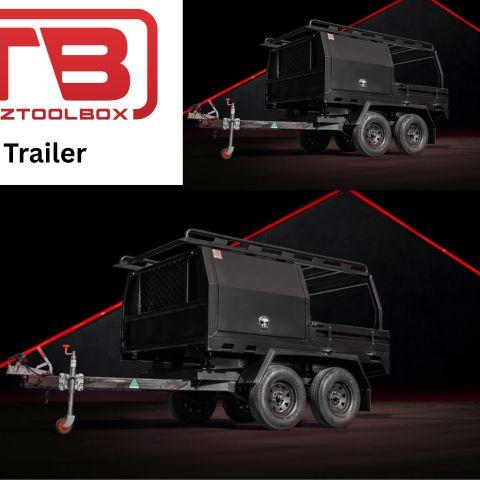
  • https://www.eztoolbox.com.au/aluminium-toolboxes/campers-toolboxes/

    Tool Trailer solutions enhance your ute’s functionality, offering mobile storage for tools, equipment, and supplies. Built from durable aluminium, these trailers provide strength, reliability, and easy maneuverability for work or recreational use. Ideal for tradespeople, campers, or adventure enthusiasts, they deliver convenience and organized storage wherever your journey takes you. Maximize your ute’s capabilities with these high-quality, long-lasting tool trailers designed to meet demanding needs.
    #ToolTrailer #UteAccessories #AluminiumTrailer #MobileStorage #TradesEquipment #AdventureReady
    https://www.eztoolbox.com.au/aluminium-toolboxes/campers-toolboxes/ Tool Trailer solutions enhance your ute’s functionality, offering mobile storage for tools, equipment, and supplies. Built from durable aluminium, these trailers provide strength, reliability, and easy maneuverability for work or recreational use. Ideal for tradespeople, campers, or adventure enthusiasts, they deliver convenience and organized storage wherever your journey takes you. Maximize your ute’s capabilities with these high-quality, long-lasting tool trailers designed to meet demanding needs. #ToolTrailer #UteAccessories #AluminiumTrailer #MobileStorage #TradesEquipment #AdventureReady
    ·691 Views
  • Urgent (diffusion en cours) : Abou Dhabi demande aux directeurs et propriétaires d’hôtels de prolonger le séjour des touristes et des clients dans l’impossibilité de voyager en raison des circonstances actuelles. Le Département de la Culture et du Tourisme prend en charge l’intégralité des frais de prolongation. Personne n’est laissé pour compte ; l’État assume toutes les dépenses et la sécurité des clients est la priorité absolue.
    Urgent (diffusion en cours) : Abou Dhabi demande aux directeurs et propriétaires d’hôtels de prolonger le séjour des touristes et des clients dans l’impossibilité de voyager en raison des circonstances actuelles. Le Département de la Culture et du Tourisme prend en charge l’intégralité des frais de prolongation. Personne n’est laissé pour compte ; l’État assume toutes les dépenses et la sécurité des clients est la priorité absolue.
    ·604 Views
  • Le dirigeant nord-coréen Kim Jong Un a déclaré : « Si l'Iran le demande, nous pouvons fournir des missiles contre Israël… Un seul de ces missiles suffirait à détruire complètement Israël. »
    Le dirigeant nord-coréen Kim Jong Un a déclaré : « Si l'Iran le demande, nous pouvons fournir des missiles contre Israël… Un seul de ces missiles suffirait à détruire complètement Israël. »
    ·267 Views
  • Quand Ronaldo et Trump se croisent, on se demande : sport, politique ou stratégie de communication ? À quoi joue-t-on vraiment ici ?
    Quand Ronaldo et Trump se croisent, on se demande : sport, politique ou stratégie de communication ? À quoi joue-t-on vraiment ici ? 🤔
    Pfff
    1
    ·558 Views
  • Des milliers de civils innocents vont mourir pour que le monde oublie l'affaire #Epstein. La tragédie ne doit pas être utilisée comme diversion. Si l'humanité se tait maintenant, elle se trahit elle-même. Nous devons rester vigilants et continuer à demander justice. #NePasOublier
    Des milliers de civils innocents vont mourir pour que le monde oublie l'affaire #Epstein. La tragédie ne doit pas être utilisée comme diversion. Si l'humanité se tait maintenant, elle se trahit elle-même. Nous devons rester vigilants et continuer à demander justice. #NePasOublier
    ·397 Views
Pagine in Evidenza