English
 Arabic
 French
 Spanish
 Portuguese
 Deutsch
 Turkish
 Dutch
Dutch
 Italiano
 Russian
 Romaian
 Portuguese (Brazil)
 Greek
Greek
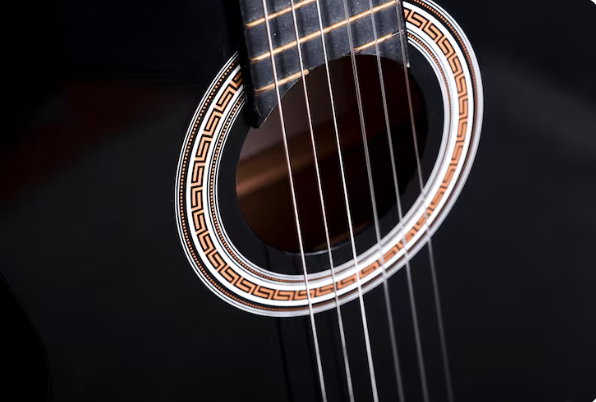
The world of stringed instruments is vast and varied, offering musicians a rich palette of tones, textures, and styles. Among the most captivating are harp guitars, which blend the resonance of a traditional guitar with additional strings that produce harp-like sounds. Two particular models that stand out for both professional musicians and passionate hobbyists are the 12 string acoustic-electric parlor harp guitar and the 18 string acoustic harp guitar. These instruments, though unique, share a commitment to musical expression, craftsmanship, and versatility.
The Allure of the 12 String Acoustic-Electric Parlor Harp Guitar
The 12 string acoustic-electric parlor harp guitar is an instrument designed to offer a full, resonant sound in a compact, manageable size. The parlor guitar body shape, smaller than a standard guitar, is perfect for intimate performances and studio settings where space or volume might be a concern. Its 12 strings—six standard guitar strings paired with six sympathetic or sub-bass strings—allow musicians to explore rich harmonic textures that are otherwise impossible on a conventional guitar.
One of the key advantages of this harp guitar is its acoustic-electric capability. Musicians can enjoy the natural resonance of the strings when playing unplugged and switch seamlessly to amplified sound for performances in larger venues. The 12 string setup adds depth to the instrument, creating lush chords and a natural chorus effect that makes each note sparkle. This model is particularly popular among fingerstyle guitarists and solo performers, who seek a sound that combines melodic clarity with harmonic richness.
Moreover, the 12 string acoustic-electric parlor harp guitar is appreciated for its portability. Its smaller body makes it easier to travel with, while still providing the expansive tonal range of a harp guitar. Musicians often use it for recording intricate fingerpicking patterns, blending traditional guitar techniques with harp-like resonance for a unique sound signature.
The Majestic 18 String Acoustic Harp Guitar
If the 12 string acoustic-electric parlor harp guitar emphasizes portability and versatility, the 18 string acoustic harp guitar is a testament to musical grandeur. With six standard guitar strings complemented by twelve additional harp strings, this instrument offers a truly expansive sonic landscape. The 18 strings allow musicians to play rich bass lines, harmonic drones, and complex fingerstyle arrangements simultaneously, creating the effect of an ensemble with a single instrument.
The 18 string acoustic harp guitar is often favored by musicians who seek a highly expressive instrument for solo compositions or experimental music. The extra harp strings provide sympathetic resonance, enhancing sustain and creating natural overtones that give the instrument a unique, almost orchestral presence. Players can perform intricate counterpoint, layering melodies and harmonies in a way that’s impossible on a standard guitar.
From a craftsmanship perspective, the 18 string acoustic harp guitar represents a pinnacle of luthier skill. Balancing tension across eighteen strings, ensuring structural integrity, and maintaining precise intonation requires meticulous attention to detail. The result is an instrument that not only sounds magnificent but also inspires creativity through its expanded capabilities.
Comparing the Two Instruments
While both instruments fall under the harp guitar category, their design, purpose, and playing experience differ significantly. The 12 string acoustic-electric parlor harp guitar is smaller, more portable, and designed for musicians who require versatility in both unplugged and amplified settings. Its compact size makes it ideal for intimate performances, home recording, or travel. The twelve strings provide a lush sound, but the instrument remains manageable and approachable for those transitioning from standard guitars.
In contrast, the 18 string acoustic harp guitar is a larger, more ambitious instrument, designed for musicians who prioritize range, resonance, and sonic complexity. With twelve additional harp strings, this model allows for intricate arrangements and a richer harmonic texture. It is less about portability and more about creating a grand, immersive sound experience, whether for studio recordings or live performances in larger venues.
Musical Applications and Techniques
Both harp guitars open a world of musical possibilities. Fingerstyle techniques are especially effective, as they allow the player to pluck individual strings and highlight the unique tonal qualities of the harp extensions. In the case of the 12 string acoustic-electric parlor harp guitar, players often use the extra strings for subtle bass lines or drone notes that enrich chord progressions. This makes it perfect for folk, blues, or contemporary acoustic music.
The 18 string acoustic harp guitar, with its wider array of strings, is suited for more ambitious compositions. Musicians can incorporate harp strings into classical arrangements, jazz improvisations, or ambient soundscapes. The sympathetic resonance adds depth to every note, making it an excellent choice for solo performances where the player wants to create the illusion of multiple instruments at once.
Both instruments benefit from careful string selection, hand positioning, and dynamic control. The ability to blend harp strings with traditional guitar strings offers a unique expressive palette, allowing musicians to explore unconventional tunings, alternate chord voicings, and rich harmonic layers.
Choosing the Right Harp Guitar
Selecting between a 12 string acoustic-electric parlor harp guitar and an 18 string acoustic harp guitar largely depends on your musical goals and practical considerations. If portability, versatility, and amplified performance options are priorities, the 12 string parlor model is an excellent choice. Its smaller body and acoustic-electric functionality make it suitable for a wide range of musical contexts.
If your focus is on expansive sound, intricate fingerstyle arrangements, and an instrument capable of producing orchestral-like textures, the 18 string acoustic harp guitar is the clear choice. Its extended range and sympathetic resonance allow for highly expressive playing, offering creative possibilities that go far beyond what a standard guitar can achieve.
Conclusion
Harp guitars, whether in the form of a 12 string acoustic-electric parlor harp guitar or an 18 string acoustic harp guitar, represent a fascinating intersection of guitar craftsmanship and musical innovation. Both instruments provide players with the ability to explore new sonic landscapes, create lush harmonic textures, and elevate their music beyond conventional boundaries.
The 12 string acoustic-electric parlor harp guitar excels in versatility, portability, and adaptability, making it ideal for solo performers, studio sessions, and intimate venues. The 18 string acoustic harp guitar, on the other hand, offers unmatched tonal richness and harmonic depth, perfect for ambitious compositions and immersive performances.
For musicians seeking an instrument that blends tradition with creativity, the world of harp guitars is full of inspiration. Whether you choose the manageable 12 string parlor model or the grand 18 string variant, these instruments provide an extraordinary opportunity to expand your musical expression and explore the limitless possibilities of strings, resonance, and harmony.