English
 Arabic
 French
 Spanish
 Portuguese
 Deutsch
 Turkish
 Dutch
Dutch
 Italiano
 Russian
 Romaian
 Portuguese (Brazil)
 Greek
Greek
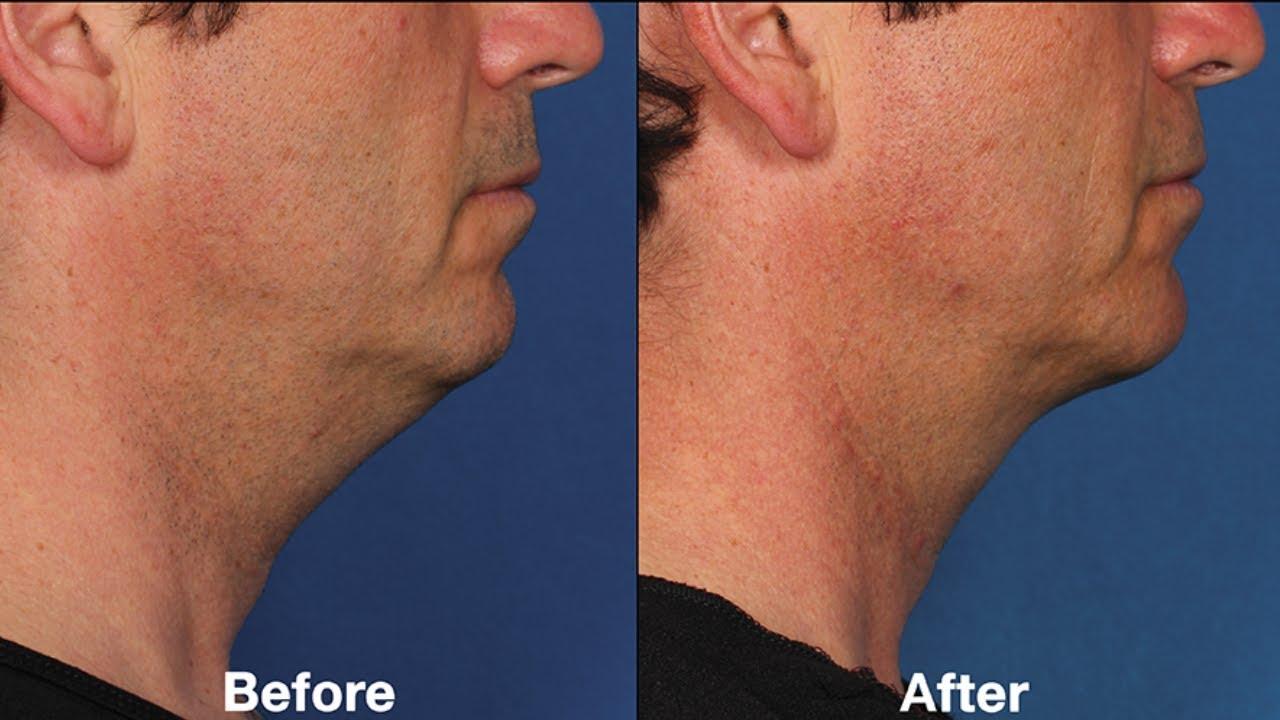
Managing Swelling and Bruising After Chin Reduction Surgery
The biological response to surgical trauma is characterized by a predictable phase of inflammation, which is a necessary part of the body’s healing mechanism. For patients recovering from Chin Reduction Riyadh, managing post-operative swelling (edema) and bruising (ecchymosis) is the primary focus of the first two weeks. Because the tissues of the face and neck are highly vascular, they react quickly to the repositioning of bone or the extraction of submental fat. While some degree of fullness is inevitable, employing a strict clinical regimen of elevation, compression, and temperature control can significantly accelerate the resolution of these side effects. By proactively managing the inflammatory environment, patients can minimize discomfort and allow the sharp, refined contours of their new jawline to emerge more rapidly.
The Physiology of Post-Operative Edema
Swelling occurs when fluid and white blood cells move into the surgical site to begin the repair process. After a chin reduction, this fluid tends to collect in the "dead space" created by the removal of fat or the shifting of the chin bone.
-
The 72-Hour Peak: Swelling typically increases over the first three days, peaking around the 48-to-72-hour mark.
-
Gravity's Role: Because the chin is a dependent area of the face, fluid naturally drains downward. This is why swelling often moves from the chin into the neck or "jowl" area before it eventually dissipates through the lymphatic system.
Elevation: The Most Critical Recovery Rule
To combat the effects of gravity, patients must maintain a head-elevated position at all times during the first week of recovery.
-
Sleeping Position: Sleeping on the back with the head propped up by two or three firm pillows—or using a specialized wedge pillow—is non-negotiable. This keeps the chin above the level of the heart, encouraging fluid to drain away from the surgical site.
-
Daily Activity: Even during the day, patients should avoid bending over or straining, as these movements increase blood pressure in the face and can trigger "rebound" swelling or minor bleeding at the incision sites.
Cold Compression and Thermal Therapy
Temperature management is a powerful tool for controlling blood flow to the lower face.
-
The First 48 Hours: Applying cold gel packs or chilled compresses to the jawline constricts blood vessels (vasoconstriction), which limits the initial leakage of fluid into the tissues. Patients should apply cold for 15 to 20 minutes every hour while awake.
-
Transition to Warmth: After the third day, once the initial inflammatory surge has stabilized, some surgeons recommend very light, warm compresses. This encourages local circulation and helps the body reabsorb the broken-down blood cells that cause bruising.
The Mechanical Support of the Chin Strap
A medical-grade compression garment, often called a "chin strap," is essential for a successful Chin Reduction in Riyadh. This garment serves two clinical purposes:
-
Fluid Prevention: By applying consistent, gentle pressure, the strap prevents fluid from pooling in the submental area.
-
Tissue Adhesion: It helps the skin and muscle "shrink-wrap" over the newly reduced bone structure. This ensures the skin heals smoothly and tightly, rather than appearing loose or uneven.
Patients are usually required to wear this strap 24/7 for the first week, and then during sleep for several weeks thereafter.
Managing and Camouflaging Bruising
Bruising is caused by tiny amounts of blood trapped beneath the skin. In a chin reduction, bruising typically appears along the jawline and may migrate down the neck toward the collarbone.
-
Color Transition: Bruises will transition from deep purple or blue to green and eventually a faint yellow before disappearing entirely.
-
Arnica and Bromelain: Many practitioners suggest taking homeopathic Arnica Montana or Bromelain (an enzyme found in pineapple) to help the body process bruises more quickly.
-
Discreet Coverage: For professional patients returning to work, medical-grade camouflage makeup can be used starting around day seven, once any external incisions have fully closed.
Nutritional Influences on Inflammation
What a patient consumes significantly affects how much they swell.
-
Sodium Restriction: Salt causes the body to retain water. A low-sodium diet for the first 10 days is vital for keeping facial puffiness to a minimum.
-
Hydration: Drinking plenty of water is counter-intuitively helpful for reducing swelling, as it helps the kidneys flush out metabolic waste and residual anesthetic medications.
-
Anti-Inflammatory Foods: Incorporating foods rich in Vitamin C and Zinc supports tissue repair and strengthens the capillary walls, reducing the severity of bruising.
Avoiding "Blood-Thinning" Triggers
Even after the surgery is over, the risk of increased bruising remains if the blood is too thin.
-
Medication Awareness: Continue to avoid aspirin, ibuprofen (Advil/Motrin), and certain supplements like fish oil or garlic for at least 10 days post-op. These can cause "micro-bleeding" that extends the duration of bruising.
-
Heat Exposure: Avoid hot showers, saunas, and steam rooms during the first two weeks. Heat causes vasodilation, which can bring more fluid to the face and increase swelling.
The Role of Lymphatic Drainage
Once the initial acute healing phase has passed (usually after 14 days), gentle lymphatic drainage massage can be highly effective. A specialized practitioner uses very light, rhythmic movements to "push" the remaining micro-swelling toward the lymph nodes in the neck. This process can significantly refine the jawline, allowing the final "sharp" results of the Chin Reduction in Riyadh to become visible weeks sooner than they would through natural drainage alone.
Monitoring for Abnormal Swelling
While swelling is normal, patients should be aware of "red flag" symptoms.
-
Hematoma: If one side of the chin becomes significantly larger, harder, or more painful than the other, it may indicate a hematoma (a collection of blood).
-
Infection Signs: Extreme redness, heat at the surgical site, or a fever should be reported to the clinic immediately.
Most patients, however, find that their swelling follows a steady downward trend, with about 70% of the edema resolving within the first two weeks.
Patience and the Final Reveal
The most important factor in managing swelling is patience. While the "socially noticeable" swelling disappears quickly, "residual" micro-swelling can persist for several months. This is particularly true if bone surgery was involved. The chin may feel slightly "stiff" or "firm" for a while, but as the internal tissues soften, the refined, balanced profile planned during the consultation will finally be realized. By the three-to-six-month mark, the jawline will be at its peak definition—a permanent testament to the patient's diligent post-operative care.