English
 Arabic
 French
 Spanish
 Portuguese
 Deutsch
 Turkish
 Dutch
Dutch
 Italiano
 Russian
 Romaian
 Portuguese (Brazil)
 Greek
Greek
Precision Resurfacing for Fine Lines and Perioral Wrinkles
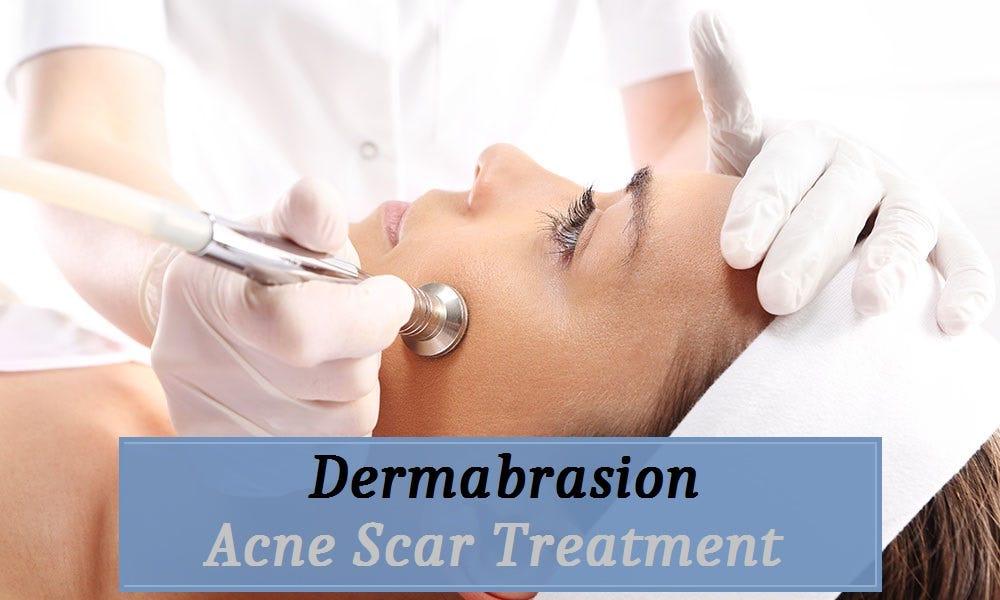
Precision resurfacing through dermabrasion is widely considered one of the most effective surgical interventions for eliminating fine lines and deep, static wrinkles that have become "etched" into the skin over time. For individuals seeking a significant structural rejuvenation, a professional Dermabrasion treatment Riyadh offers a targeted solution for the delicate areas of the face, particularly the perioral region (around the mouth). While light chemical peels or laser treatments may only soften the appearance of surface lines, dermabrasion physically planes down the skin to the level of the wrinkle's base. By removing the damaged upper layers and reaching the papillary dermis, the procedure triggers a total remodeling of the skin’s elastic fibers, resulting in a significantly smoother, tighter, and more youthful appearance.
The Anatomy of Perioral Wrinkles
The area around the mouth is uniquely susceptible to deep wrinkling due to a combination of factors: constant muscular movement from speaking and eating, a natural thinning of the dermis with age, and the cumulative effects of sun exposure. Perioral wrinkles, often referred to as "smoker's lines" or "lipstick lines," are vertical rhytids that can make the face appear prematurely aged or tired.
These lines are difficult to treat because they are often deep and "static," meaning they are present even when the face is at rest. Precision resurfacing addresses these lines by mechanically "sanding" the skin. By leveling the ridges between the wrinkles and stimulating the underlying tissue to regenerate, dermabrasion effectively "erases" the physical grooves in the skin, providing a permanent improvement in the skin's topography.
Mechanical Leveling: How Precision Resurfacing Works
The success of dermabrasion for fine lines lies in its mechanical precision. The surgeon utilizes a motorized handpiece with a diamond-encrusted fraise to perform "controlled ablation."
-
Epidermal Removal: The procedure begins by removing the entire epidermis, which houses the most visible signs of fine line damage and texture irregularities.
-
Dermal Stimulation: As the tool reaches the upper (papillary) dermis, the mechanical vibration and friction send a biological signal to the fibroblasts. This "therapeutic trauma" breaks down old, brittle collagen and elastin fibers that have lost their "snap-back."
-
Edge Softening: For deeper perioral lines, the surgeon carefully planes the edges of each wrinkle. This reduces the shadow cast by the ridge of the line, making the skin look immediately flatter and smoother once healed.
The Biological "Plumping" Effect
True rejuvenation comes from the body’s internal response to the resurfacing. Once the old, damaged tissue is removed, the skin enters a state of rapid repair.
Over the weeks following the procedure, the body synthesizes a fresh matrix of "Type I" collagen. This new collagen is denser and more organized than the tissue it replaced. As this matrix matures, it creates a "plumping" effect from within the dermis. This internal support structure pushes the skin outward, effectively filling in fine lines and tightening the overall surface. This is why the results of precision resurfacing often continue to improve for three to six months post-procedure as the collagen fibers strengthen and contract.
Customizing Depth for Delicate Areas
The skin around the mouth and eyes is thinner than the skin on the cheeks or forehead, requiring a high degree of surgical skill. Precision resurfacing involves a "graded" approach to depth:
-
The Lip Border: The surgeon can treat right up to the "vermillion border" (the edge of the lips) to ensure that vertical lines are smoothed out entirely without affecting the natural shape of the mouth.
-
Feathering: To ensure a natural look, the surgeon "feathers" the treatment. The intensity of the abrasion is highest at the deepest wrinkles and gradually lightens as it moves toward the untreated areas of the face. This prevents a visible "line of demarcation" and ensures the new, smooth skin blends seamlessly with the rest of the complexion.
Post-Procedural Care for Perioral Success
Because the mouth is a highly mobile area, the recovery phase for perioral resurfacing requires specific attention.
-
Moist Environment: The skin must be kept covered with a thick, breathable ointment at all times during the first 7 to 10 days. This prevents the skin from drying out or cracking, which is essential for a smooth finish.
-
Movement Restriction: Patients are often advised to limit excessive facial expressions or wide yawning during the first few days of re-epithelialization to allow the new skin cells to form a stable, uninterrupted layer.
-
Sun Protection: The new skin in the perioral area is extremely fresh and lacks natural pigment. Absolute sun avoidance and the diligent use of broad-spectrum SPF are mandatory to prevent the development of dark spots (hyperpigmentation) in the treated area.
Long-Term Benefits: A Lasting Rejuvenation
The results of precision dermabrasion for fine lines and perioral wrinkles are exceptionally long-lasting. Unlike temporary fillers that must be reinjected every few months, dermabrasion provides a permanent structural change to the skin's architecture.
By removing the "etched" lines and replacing them with a healthy, vibrant collagen foundation, the procedure effectively "resets" the aging process in the treated area. Patients often find that their lipstick no longer "bleeds" into vertical lines and that their overall facial expression looks more relaxed and youthful. Through the surgical precision of mechanical resurfacing, the delicate areas of the face can be restored to a state of smooth, resilient, and natural-looking vitality.